
Damansara Nasi Kerabu & Ipoh Caves
Petaling Jaya, Selangor, Malaysia
This is actually two distinct experiences rolled into one viral trend: Nasi Kerabu, the striking blue rice dish from Kelantan now available in Damansara, and the…
What it's like here
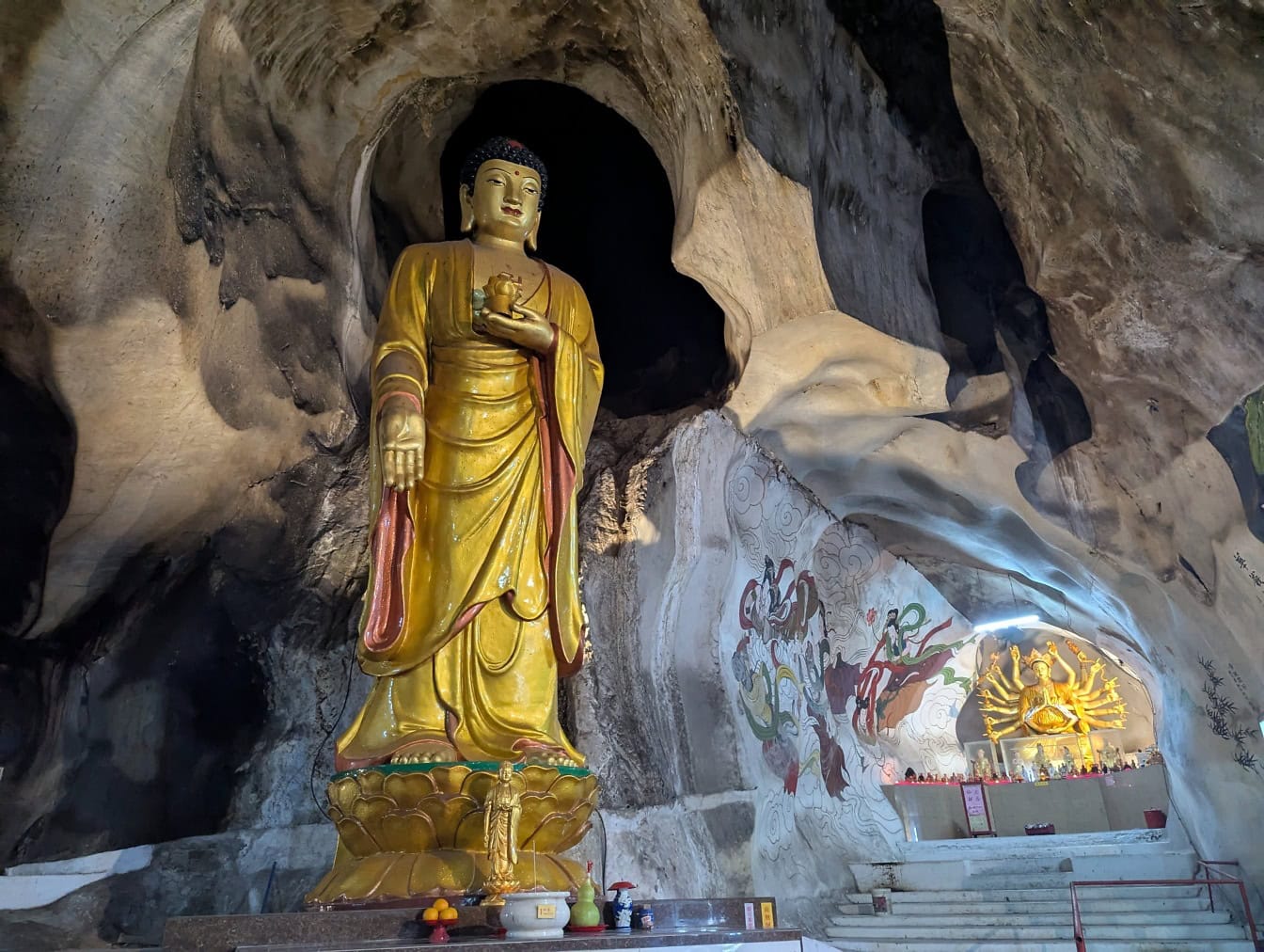
This is actually two distinct experiences rolled into one viral trend: Nasi Kerabu, the striking blue rice dish from Kelantan now available in Damansara, and the limestone cave temples of Ipoh, ancient caves transformed into Hindu and Buddhist shrines. Both represent a shift toward exploring authentic, less-trodden corners of Malaysian culture rather than the standard tourist circuit.
In Damansara, the draw is the butterfly pea flower rice—a traditional specialty whose natural indigo hue has made it a social media favorite. The color comes from bunga telang (butterfly pea flowers), and the dish offers both visual intrigue and genuine regional flavor. It's a straightforward, accessible way to taste something rooted in Malaysian culinary heritage without traveling to the east coast.
Ipoh's cave temples are another matter entirely. Carved into limestone formations, these sites blend geology with spirituality—ancient rock formations repurposed as places of worship, filled with statues, altars, and the quiet echo of their stone surroundings. The caves are best visited in the morning, when the light and temperature are more comfortable. Both destinations photograph well, which partly explains their recent popularity online, but the appeal runs deeper: they're genuine expressions of Malaysian culture, not manufactured attractions.
Highlights
- Try Nasi Kerabu, the traditional blue rice dish colored naturally by butterfly pea flowers
- Explore the limestone cave temples of Ipoh—ancient rock formations converted into Hindu and Buddhist shrines
- Morning visits to the caves offer better light and cooler temperatures
- Free entry to both experiences
- Accessible by car or train from Kuala Lumpur to Ipoh
Good to know
Nasi Kerabu originates from Kelantan on Malaysia's east coast, but it's now available in Damansara restaurants. The Ipoh cave temples can be reached by car or train from Kuala Lumpur. Both destinations offer strong photo opportunities, which has contributed to their recent online popularity. Allow 1–2 hours for either experience, or half a day if combining them. Parking, toilets, and cafés are available. Morning is the best time to visit the caves.
You might also like


Questions people ask
What is Nasi Kerabu?
It's a traditional Malaysian rice dish distinguished by its natural blue color, which comes from butterfly pea flowers (bunga telang). The dish originates from Kelantan on the east coast.
Where can I try Nasi Kerabu in the Kuala Lumpur area?
It's a specialty of Kelantan, but specific restaurants in Damansara now serve it.
What are the Ipoh Cave Temples?
They are ancient limestone caves that have been converted into elaborate Hindu and Buddhist temples, blending natural rock formations with spiritual spaces.
Attributes & facilities
Experience
Last verified: August 22, 2026