
Gyeongju
Gyeongju, Gyeongsangbuk-do, South Korea
Gyeongju is a historic city in South Korea built on layers of ancient heritage. As the former capital of the Silla Kingdom, it functions as a…
What it's like here
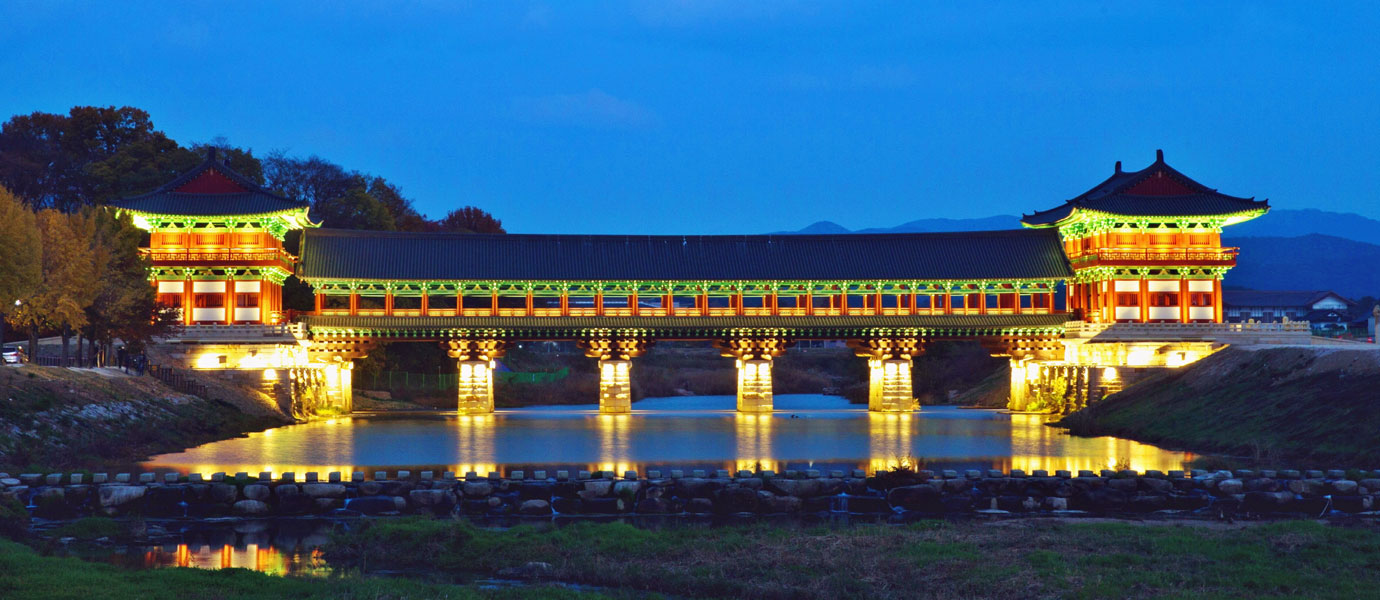
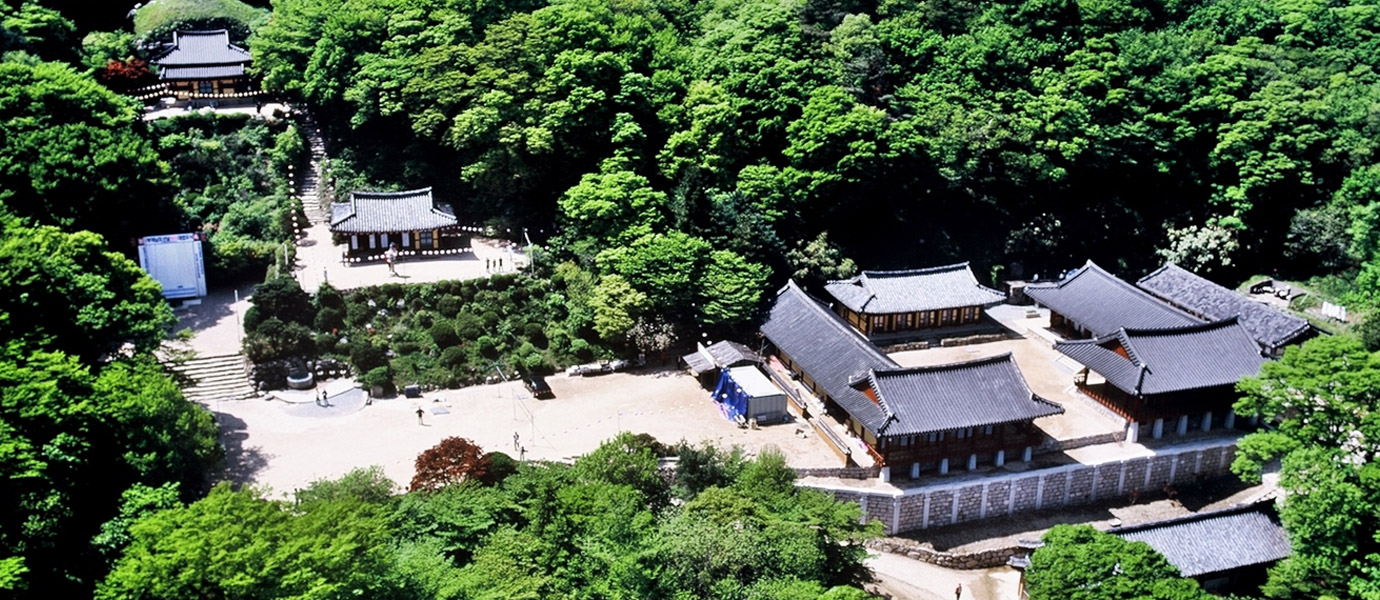
Gyeongju is a historic city in South Korea built on layers of ancient heritage. As the former capital of the Silla Kingdom, it functions as a "museum without walls" — historical sites are scattered across the city and surrounding landscape rather than confined to a single building. The UNESCO World Heritage site encompasses royal tombs, temples, pagodas, and archaeological remains that tell the story of one of Korea's most powerful dynasties. What makes Gyeongju distinctive is the sheer density and accessibility of these sites. You can walk or cycle between ancient monuments, each one revealing something about the kingdom's artistic skill, spiritual life, or administrative power.
The atmosphere here is contemplative and unhurried. The royal tombs sit quietly in parks and green spaces; temples nestle among forested hills; the Cheomseongdae Observatory, the oldest surviving observatory in East Asia, stands as a remarkable example of Silla scientific achievement. Bulguksa Temple and its associated Seokguram Grotto are among the most celebrated monuments. The surrounding mountains and countryside reinforce the sense that you're moving through history embedded in a living landscape, not a reconstructed or cordoned-off heritage zone.
This is a place suited to slow exploration. A full day or weekend allows you to move between sites without rushing, to sit in temple courtyards, to photograph pagodas and tomb mounds at different times of day, and to absorb the quieter, more educational side of Korean history. It works equally well for solo travellers, couples, families, and groups. Photography is encouraged, and the scenic, photogenic quality of the sites means light and season matter — spring brings cherry blossoms, autumn brings fall colours, both transforming the experience.
Practically, the city has free entry to most major sites, parking, cafés, and toilet facilities. Bicycle and walking are the best ways to get around. Local accommodation ranges from hostels to traditional hanok stays. The city is connected by train to Seoul and Busan, making it accessible as a day trip or a longer stay. Traditional Korean food is available throughout, rooted in local culinary traditions.
Gyeongju rewards curiosity and time. It is not a single headline attraction but a slow accumulation of encounters with one of Asia's great civilisations, set in a place that has kept its historical character while remaining functional and welcoming.
Highlights
- Royal tombs of the ancient Silla Kingdom scattered throughout the city
- Cheomseongdae Observatory, the oldest existing observatory in East Asia
- Bulguksa Temple and Seokguram Grotto, celebrated monuments of the UNESCO World Heritage site
- Free entry to major historic sites
- Best explored by bicycle or on foot
Good to know
Spring and autumn are the most rewarding seasons, with cherry blossoms and fall colours respectively. The city is accessible by train from Seoul and Busan. Bicycle and walking are the best ways to navigate between sites. Local accommodation includes hostels and traditional hanok stays. Parking and cafés are available throughout.
You might also like


Questions people ask
What is Gyeongju known for?
Gyeongju is known as a "museum without walls" for its vast array of historical sites, including the royal tombs of the Silla Kingdom, ancient temples, and archaeological monuments spread across the city and countryside.
What is the Cheomseongdae Observatory?
It is the oldest existing observatory in East Asia, located in Gyeongju, and stands as a remarkable example of the scientific achievement of the Silla Kingdom.
Is Gyeongju a UNESCO site?
Yes, the Gyeongju Historic Areas are designated as a UNESCO World Heritage site, encompassing the royal tombs, temples, pagodas, and other archaeological remains throughout the city.
Attributes & facilities
Experience
Features
Last verified: August 29, 2026