
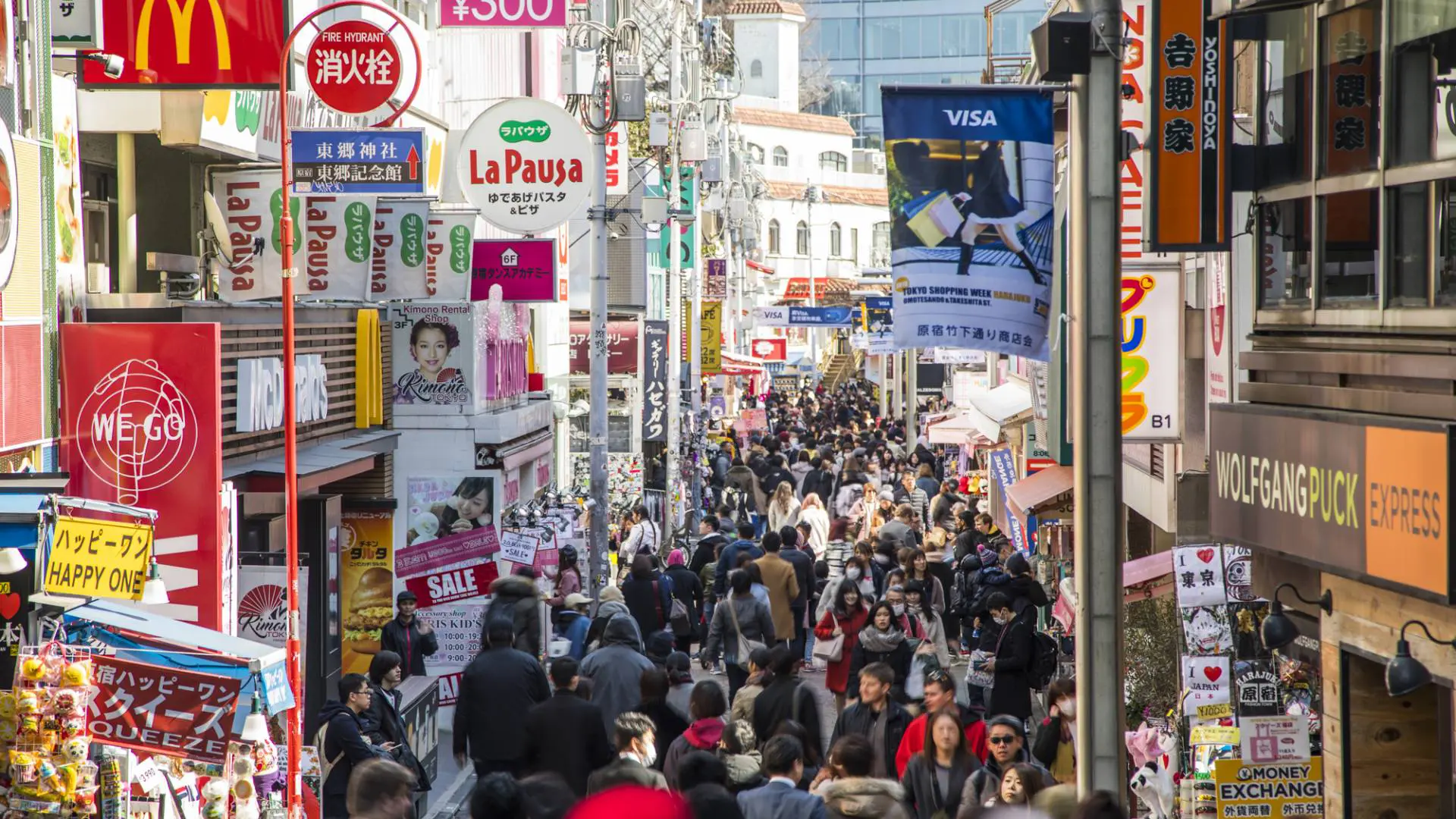
Harajuku
Harajuku, Tokyo, Japan
Harajuku is a vibrant Tokyo district that pulses with fashion, street culture, and youthful energy. The area centres on Takeshita Street, a crowded pedestrian thoroughfare lined…
What it's like here
Harajuku is a vibrant Tokyo district that pulses with fashion, street culture, and youthful energy. The area centres on Takeshita Street, a crowded pedestrian thoroughfare lined with quirky boutiques, vintage shops, and crepe stands, where the atmosphere is playful and deliberately eccentric. Just beyond it lies Omotesando, a tree-lined avenue with a quieter, more upmarket character — designer shops, galleries, and cafés where the pace feels less frenetic. What draws visitors here is the sheer visibility of Japanese youth culture and fashion expression: the streets fill with people wearing everything from classic anime-inspired outfits to avant-garde streetwear, and the whole district feels like a living showcase of what Tokyo's young creative scene is experimenting with.
Takeshita Street itself is the main draw and the sensory centrepiece. It's narrow, perpetually busy, and crammed with narrow storefronts selling clothes, accessories, quirky gifts, and food. Crepe stands are everywhere — both the savoury and sweet varieties — and they serve as the unofficial fuel of the district. The street has a carnival-like energy, especially in the afternoon when it reaches peak liveliness. If you prefer something less chaotic, Omotesando runs parallel and offers the opposite: wider pavements, breathing room, leafy surroundings, and a design-focused retail environment. Many visitors experience both in a single visit, letting the contrast shape the outing.
The district works well for solo travellers, couples, families, and groups of friends alike. Photography is actively encouraged — nearly every storefront, street corner, and café seems designed to be documented. The aesthetic is very Instagram-aware, but that doesn't diminish the genuine creative energy. Street art and window displays are inventive, and you'll find yourself stopping frequently just to look. Food is abundant: crepes, ramen, takoyaki, and casual cafés offer plenty of ways to refuel between shops.
Practically speaking, entry is free, and you can spend anywhere from one to two hours wandering the main streets, or a half day if you want to explore side alleys, rest in cafés, and browse thoroughly. The area is accessible year-round. Weekday afternoons tend to be less crushingly crowded than weekends, so if you dislike dense crowds, plan accordingly. Takeshita Street can feel overwhelming on peak days — it's worth knowing that before you go. Nearby Meiji Shrine offers a peaceful counterpoint if you need a break from the sensory intensity. The district has toilets, cafés, and parking available, making logistics straightforward.
Highlights
- Takeshita Street: a crowded pedestrian street packed with quirky boutiques, vintage shops, and crepe stands
- Omotesando: a tree-lined avenue with designer shops, galleries, and cafés offering a more relaxed atmosphere
- A hub of Japanese youth culture and fashion expression, visible in the eclectic style choices of visitors and locals
- Street art and window displays reflecting contemporary creative design
- Free entry, walkable layout, and abundant food and café options
Good to know
The district is accessible year-round. Weekday afternoons are typically less crowded than weekends, making the experience more enjoyable if you prefer to browse without crushing crowds. Takeshita Street is the main attraction but can feel overwhelming during peak times. Toilets, cafés, and parking are available. Nearby Meiji Shrine provides a quieter, peaceful contrast if you need a break from the energy.
You might also like


Questions people ask
What is Harajuku known for?
Harajuku is known for its youth culture and fashion, centred on Takeshita Street with its quirky boutiques, vintage shops, and crepe stands, as well as the more upmarket Omotesando avenue nearby.
When is the best time to visit?
Afternoon is typically the liveliest time. Weekdays tend to be less crowded than weekends, which is worth considering if you prefer a less intense experience.
How long should I spend here?
Most people spend one to two hours exploring the main streets, or a half day if you want to browse more thoroughly, rest in cafés, and explore side alleys.
Attributes & facilities
Experience
Last verified: August 30, 2026