
Hohe Tauern National Park
Salzburg, Salzburg, Austria
Hohe Tauern National Park is Austria's largest national park, straddling the Central Eastern Alps with over 185 hiking trails that range from gentle valley walks to…
What it's like here
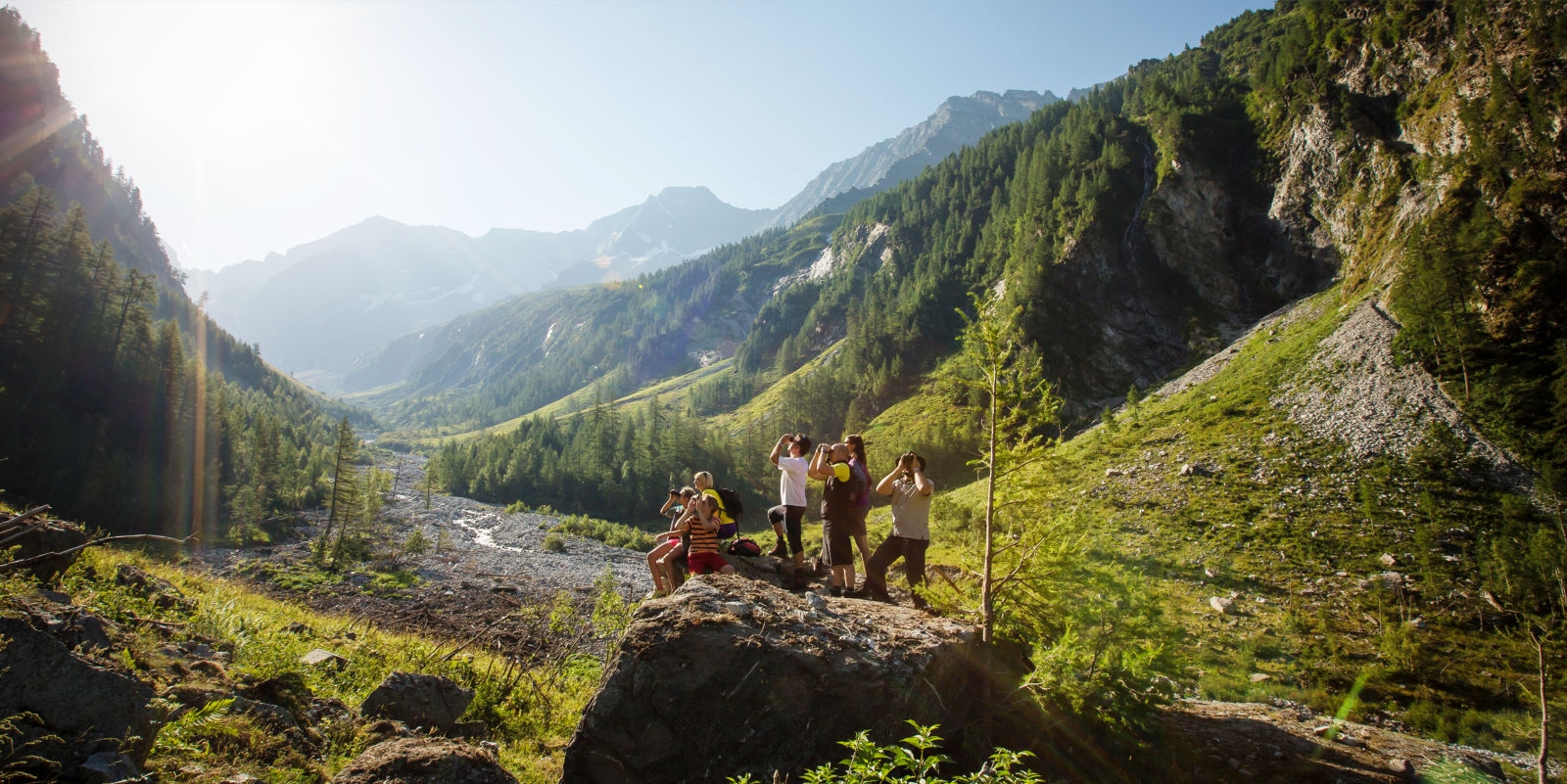
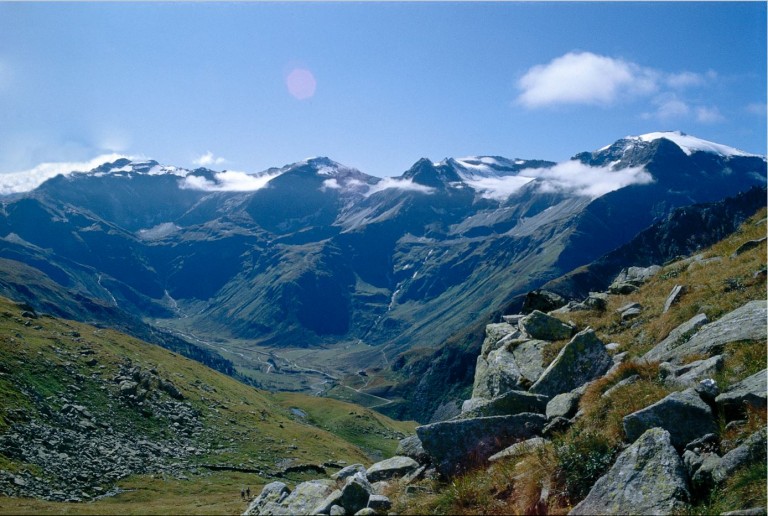
Hohe Tauern National Park is Austria's largest national park, straddling the Central Eastern Alps with over 185 hiking trails that range from gentle valley walks to serious mountain pursuits. The landscape itself is the draw: granite peaks, glaciers and waterfalls, alpine meadows thick with wildflowers, and the presence of Austria's highest mountain, the Grossglockner, at its centre. Wildlife is abundant—marmots, chamois, and golden eagles inhabit the ridges and slopes—and the silence of these high places can be profound.
Entry is free, and the park welcomes hikers, climbers, families, and photographers year-round, though the practical hiking season runs from June to September when snow clears from the trails and mountain huts open. The Grossglockner High Alpine Road is the most famous way in, a scenic drive that gives access to the park's heart without requiring a long trek. From there, you can walk for half a day or commit to a full weekend, depending on your fitness and ambition.
What makes a real difference here is the sheer range of trails and access points. Solo walkers find solitude on quiet paths; families discover nature trails and visitor centres with easier terrain; experienced climbers tackle via ferrata routes and peaks. The park has been recently named Europe's best national park for 2026, a recognition of both its landscape and its conservation value.
Weather in the high Alps is unpredictable and changes fast, so preparation matters: layers, waterproofs, and an awareness of your limits. The park has mountain huts scattered throughout, offering rest stops, refreshments, and sometimes accommodation. Basic facilities—parking, toilets, and cafés—are available at main trailheads and visitor areas.
Whether you're looking for a morning's walk with dramatic views, a challenging summit day, or a multi-day traverse through pristine alpine terrain, the scale and variety here means you can shape your visit to match your interests and ability. The landscape itself—raw, high, and genuinely wild—is what stays with you.
Highlights
- Home to the Grossglockner, Austria's highest peak
- Over 185 hiking trails suitable for all levels of experience
- Dramatic alpine landscape: glaciers, waterfalls, and meadows
- Wildlife including marmots, chamois, and golden eagles
- Recently named Europe's best national park for 2026
Good to know
The park is open year-round but the best hiking season is June to September when trails are clear of snow and mountain huts are staffed. The Grossglockner High Alpine Road provides scenic driving access into the park's heart. Weather can shift rapidly in the mountains, so pack layers and be prepared for all conditions. Mountain huts are scattered throughout for rest and refreshment. The park also offers via ferrata routes and the Tauern Bike Trail for those interested in alternatives to walking.
You might also like



Questions people ask
What is the best time to visit?
June to September offers the best conditions for hiking, with clear trails and open mountain huts. The park is accessible year-round, but winter and early spring bring snow and reduced services.
How do I reach the park from Salzburg?
The Grossglockner High Alpine Road is a popular scenic route into the park. Access is also available from Innsbruck and Lienz.
Is it suitable for families?
Yes. The park has many easy walks and family-friendly nature trails, plus visitor centres and facilities designed for families with children.
Do I need to pay to enter?
Entry to the park itself is free. Some facilities like mountain huts may charge for food, drinks, or accommodation.
Attributes & facilities
Experience
Last verified: August 25, 2026