

Iguazu Falls
Puerto Iguazú, Misiones, Argentina / Foz do Iguaçu, Paraná, Brazil
Iguazu Falls is a massive system of hundreds of waterfalls stretching 2.7 kilometres across the border between Argentina and Brazil, protected within UNESCO World Heritage national…
What it's like here
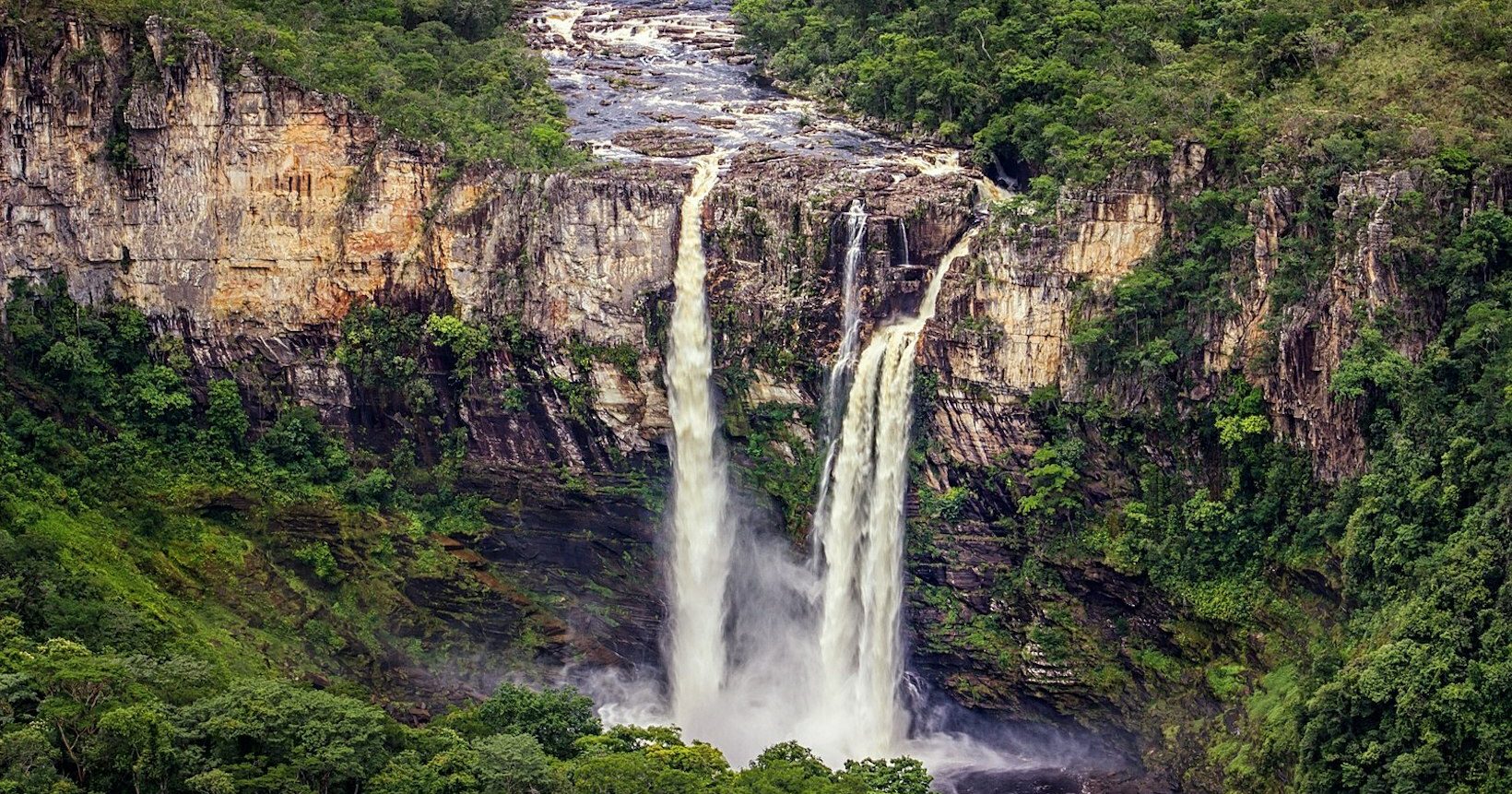
Iguazu Falls is a massive system of hundreds of waterfalls stretching 2.7 kilometres across the border between Argentina and Brazil, protected within UNESCO World Heritage national parks on both sides. The experience here is visceral: the thundering roar of the water, the mist rising from the famous Garganta del Diablo (Devil's Throat), and the spray on your face create an overwhelming sensory impression. What makes Iguazu distinctive is the chance to experience it from multiple perspectives — the Argentine side offers immersive walkways that take you directly over the falls, including access to the dramatic Devil's Throat, while the Brazilian side provides sweeping panoramic views of the entire system. The surrounding subtropical rainforest adds significant biodiversity to the visit, and the combination of natural power and scenic beauty explains why it ranks among the world's most spectacular natural wonders.
The two sides offer genuinely different experiences, and many visitors explore both. The Argentine side is more intimate and adventurous, with walkways that put you close to the falls themselves and the signature approach to the Devil's Throat. The Brazilian side works better if panoramic photography or a broader overview of the whole system is your priority. A full-day tour covering both is a popular choice, though you can also spend half a day on one side alone.
Walkways and viewing platforms mean the falls are highly accessible without demanding hiking or technical skills. Photography is allowed throughout, and guided tours are available if you want context or logistics handled. The parks have basic facilities including parking, toilets, and cafés, making it straightforward to spend several hours here.
Timing matters. Spring (September to November) and autumn (March to May) are considered the best periods to visit. Water levels vary seasonally, which affects both the visual drama and the experience of the mist and spray. Morning and afternoon both work, depending on light and your preferences.
Iguazu suits solo travellers, couples, families, and groups of friends — there is no single "correct" way to experience it. The scale and accessibility make it appealing across different interests and fitness levels. Whether you come for the pure natural spectacle, photography, or the thrill of proximity to such raw power, the falls deliver something memorable.
Highlights
- Hundreds of waterfalls stretching 2.7 kilometres across the Argentina–Brazil border
- The dramatic Garganta del Diablo (Devil's Throat), the most powerful section
- Immersive walkways on the Argentine side that put you directly above and within the spray
- Panoramic views of the entire falls system from the Brazilian side
- Rich subtropical rainforest surrounding the falls with significant biodiversity
Good to know
The Argentine and Brazilian sides each offer distinct perspectives: Argentina provides close-up walkway experiences and access to the Devil's Throat, while Brazil offers broad panoramic views. Spring (September–November) and autumn (March–May) are optimal visiting periods. Both sides are protected national parks with parking, toilets, and cafés available. Full-day tours combining both sides are commonly offered.
You might also like



Questions people ask
How big is Iguazu Falls?
Iguazu Falls is a system of hundreds of waterfalls stretching 2.7 kilometres, making it one of the largest waterfall systems in the world.
Which side should I visit, Argentina or Brazil?
The Argentine side offers immersive walkways and access to the famous Devil's Throat for close-up experiences, while the Brazilian side provides spectacular panoramic views of the entire falls. Many visitors explore both sides in a full-day visit.
Is Iguazu Falls a UNESCO World Heritage site?
Yes. Both Iguazú National Park (Argentina, established 1934) and Iguaçu National Park (Brazil, established 1939) are UNESCO World Heritage sites.
Attributes & facilities
Experience
Features
Last verified: August 30, 2026