
Kerala
Kerala, India
Kerala is a vast tropical region in southern India that centres on serene backwaters, hill stations with tea and spice plantations, and pristine beaches along the…
What it's like here
Kerala is a vast tropical region in southern India that centres on serene backwaters, hill stations with tea and spice plantations, and pristine beaches along the Arabian Sea. The state's appeal lies in its natural diversity and the chance to move between quite different landscapes—from palm-fringed waterways to cooler highland terrain to coastal stretches. Most visitors spend several days exploring different areas rather than staying in one place.
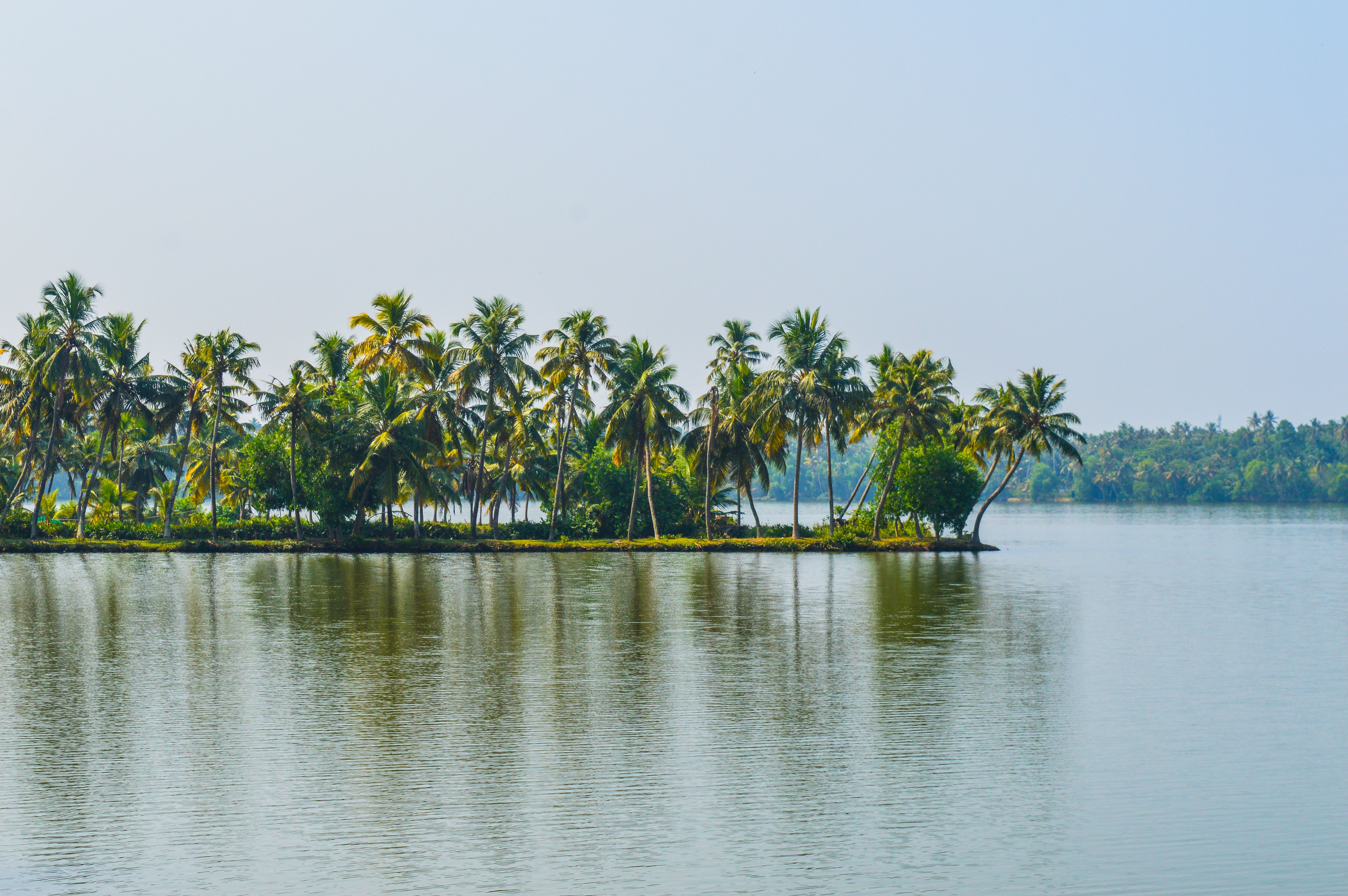
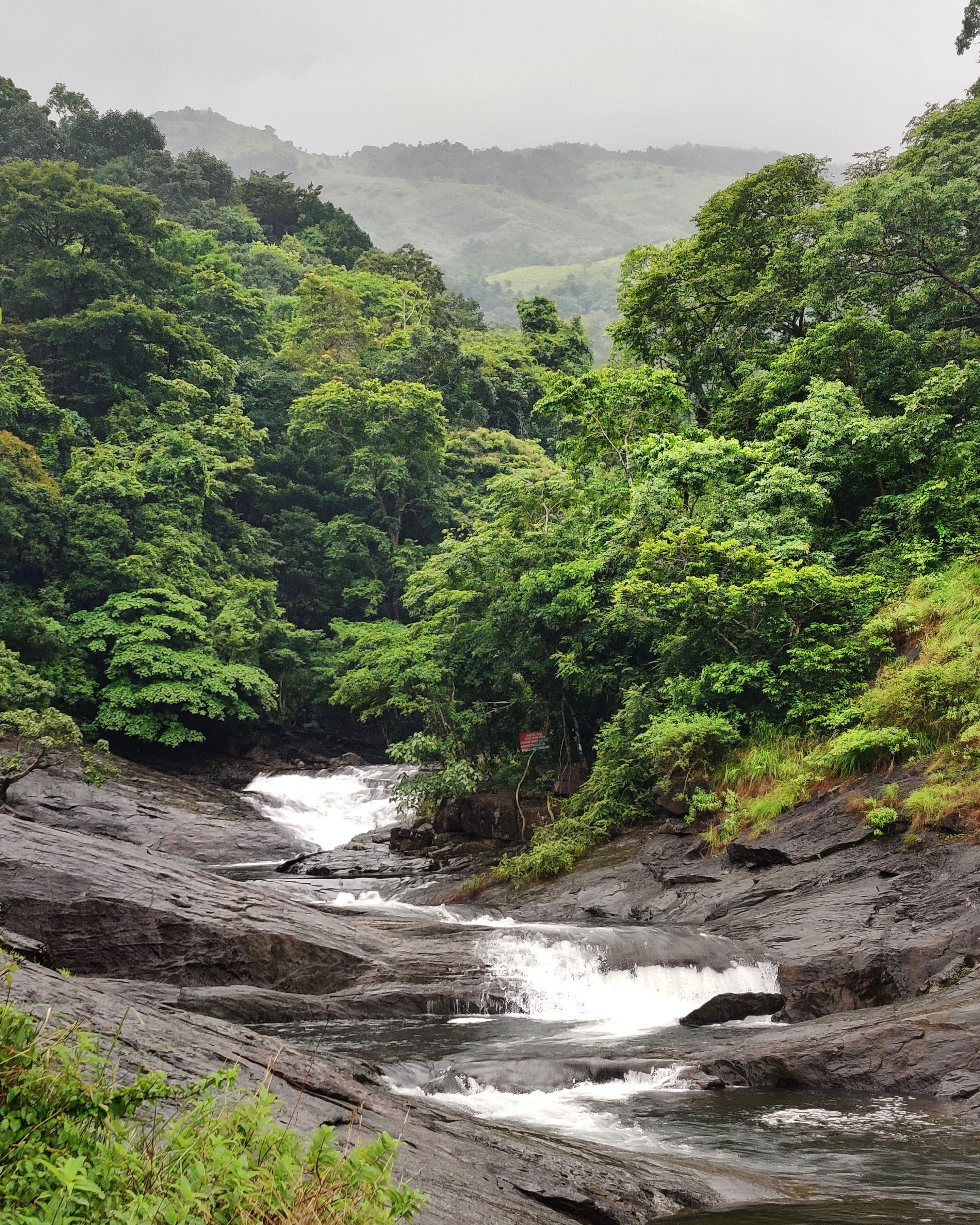
The backwaters are the defining feature: a network of tranquil canals, lakes, and rivers where traditional houseboat cruises let you drift through landscapes of coconut palms and small villages. These aren't theme-park rides but genuine waterways used by locals, so the experience feels embedded in everyday life. The hill stations—Munnar is the most famous—offer a complete change of scenery: cooler air, rolling tea plantations, and a more temperate climate. Beaches here are quieter than some Indian coastal destinations; they're genuine places to swim and relax rather than packed tourist zones.
Culture runs through everything. You'll encounter traditional dance, local cuisine built on coconut and seafood, and widespread Ayurvedic wellness retreats. The atmosphere across the state is notably relaxed and welcoming, with less hustle than many Indian destinations. This isn't a place to rush; it's built for unraveling.
The region works for solo travellers, couples, families, and groups. You can photograph the backwaters at sunrise, take a houseboat cruise, explore spice plantations, swim, and eat well without needing to book complex tours or speak fluent English everywhere. Parking, cafés, and toilets are available at main attractions, and entry to most natural areas is free. Food is excellent and affordable.
Weather matters: October to March brings the best conditions—dry, warm but not scorching. The monsoon (June to September) transforms the landscape but can make travel less comfortable. A full day or weekend is the minimum; many visitors spend a week or more and still feel they've only scratched the surface. Getting around works via trains, buses, ferries, and internal flights between the airports at Thiruvananthapuram and Kochi. The state is large enough that you'll want to plan which areas to visit rather than trying to see everything.
Highlights
- Houseboat cruises through tranquil backwaters fringed with palm trees
- Tea and spice plantations in lush hill stations like Munnar
- Pristine beaches along the Arabian Sea for swimming and relaxation
- Traditional Kerala cuisine featuring coconut, seafood, and spices
- Ayurvedic treatments and wellness retreats throughout the state
Good to know
The best time to visit is October to March for favourable weather. Kerala is accessible by air through international airports in Thiruvananthapuram and Kochi, with trains, buses, and ferries connecting different areas. Houseboat cruises on the backwaters are considered a must-do experience. Most natural areas and attractions have free entry.
You might also like


Questions people ask
What is Kerala famous for?
Kerala is known for its serene backwaters, lush hill stations with tea and spice plantations, pristine beaches, rich cultural heritage, and traditional Ayurvedic treatments.
What is the best time to visit Kerala?
October to March offers the best weather conditions for visiting.
What is a houseboat cruise?
A traditional houseboat cruise takes you through the Kerala backwaters—a network of tranquil canals, lakes, and rivers fringed by coconut palms and small villages, offering a unique way to experience local life and landscape.
Attributes & facilities
Experience
Last verified: August 29, 2026