

☁️ 21°
Guide

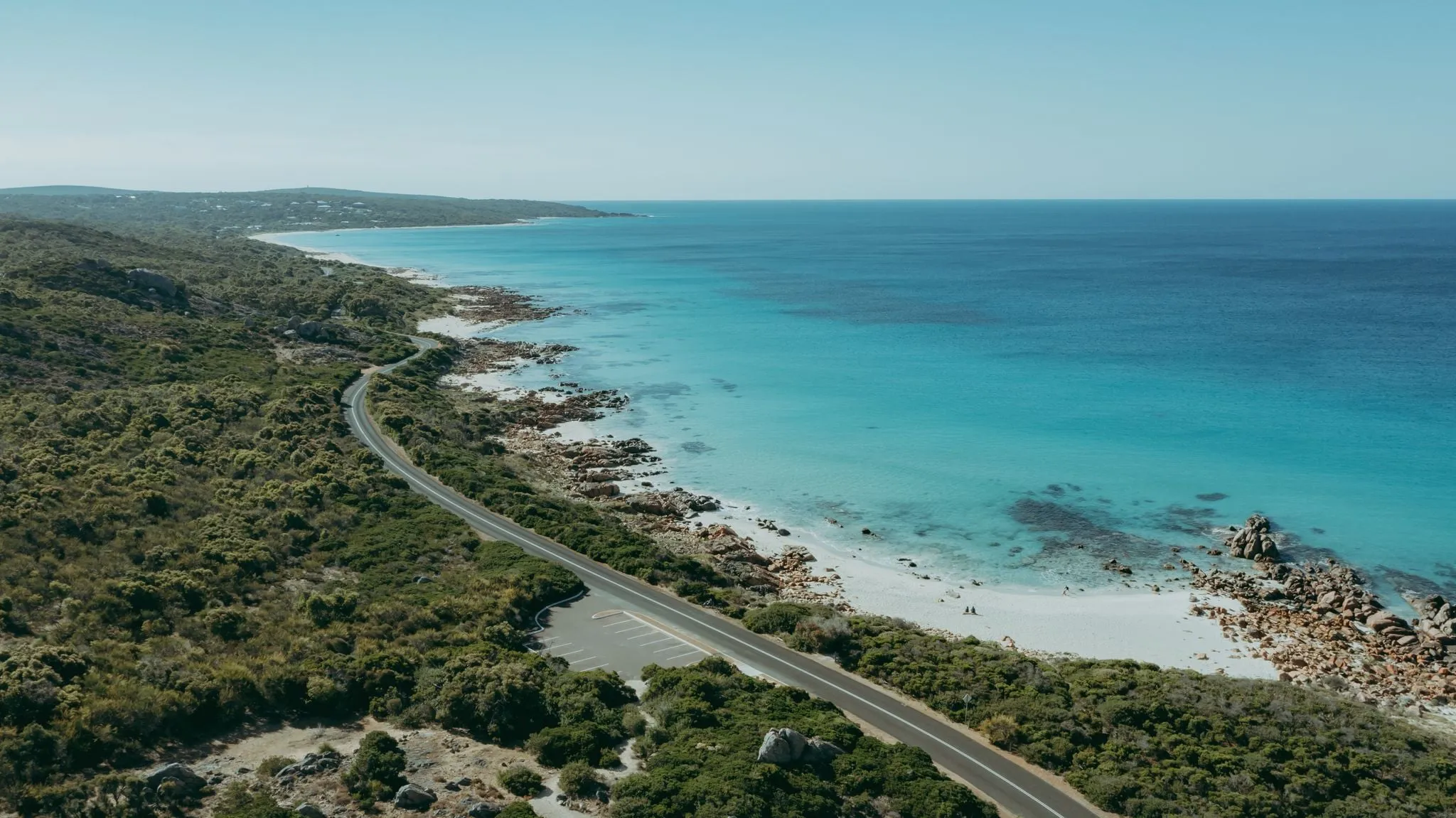


Australia offers an extraordinary range of day trip experiences that reveal the country's diverse landscapes, rich cultural heritage, and unusual natural phenomena. From remote outback towns to pristine coastal escapes, there's something genuinely distinctive waiting in almost every region. What makes a day out in Australia special is the sheer scale and variety—you might find yourself exploring an underground opal town one day and visiting a pink salt lagoon the next, or paddling to a small island on a historic river just hours from a major city. The country's relatively compact tourist infrastructure means many remarkable places are accessible as standalone visits, whether you're based in a capital city or traveling through regional areas.
The coastline offers some of the most immediately rewarding experiences. Places like Killcare on the New South Wales coast provide a quieter alternative to busier beaches, offering a genuine small-village atmosphere where you can spend a day swimming, walking, or simply absorbing the laid-back seaside rhythm. For something more adventurous, Dangar Island on the Hawkesbury River combines river scenery with a genuine sense of isolation—it's the kind of place where getting there is part of the experience, and the island itself feels wonderfully removed from everyday life. Sydney itself holds unexpected discoveries too; cultural and historical landmarks like the Aboriginal Carving of a Whale demonstrate that significant heritage experiences can exist within or very near urban centers.
Beyond the coast, Australia's interior contains some truly singular attractions. Coober Pedy in South Australia stands out as one of the world's most unusual towns—an underground opal-mining community where residents and visitors alike live and work beneath the red desert surface, a concept that feels genuinely rare anywhere on Earth. The practicality of underground living in such an extreme climate, combined with the frontier character of an opal town, creates an atmosphere unlike conventional tourist destinations. Similarly, natural wonders like Hutt Lagoon near Port Gregory in Western Australia offer something visually arresting; the pink coloration of the water creates a landscape that feels almost otherworldly, particularly in certain light conditions.
The best time to visit varies significantly by region. Coastal New South Wales is pleasant year-round, though summer (December to February) brings warm weather and occasional crowds. The interior outback, including places like Coober Pedy, is far more comfortable in cooler months (April to September); summer heat can be extreme and exhausting. Western Australia's coast is similarly best visited outside the hottest months. Australia generally suits independent travelers, families wanting beach time, cultural enthusiasts interested in Aboriginal heritage, and anyone drawn to unusual or remote experiences. What to expect varies by destination—some days out are relaxing and meditative, others are genuinely adventurous, and many offer a combination of natural beauty with a sense of discovery that comes from exploring beyond the standard tourist circuit.
It depends on where you're going. Coastal regions like the New South Wales coast around Killcare are pleasant year-round, though summer (December to February) is warmest but can be crowded. The outback interior, including Coober Pedy, is much more comfortable in autumn and winter (April to September); summer heat can be extreme. Western Australia's regions like Port Gregory are also best visited in cooler months to avoid intense heat.
Most can work as day trips depending on where you're based. Coastal spots like Killcare are accessible day visits if you're in Sydney. Dangar Island is reachable as a day trip from nearby areas. However, remote locations like Coober Pedy and Hutt Lagoon are much better appreciated with at least an overnight stay or as part of a longer road trip, since the drive itself is substantial and there's genuine value in spending more time in these unusual places.
Experiences vary widely. Coastal areas like Killcare offer swimming, walking, and beach time in a quiet setting. Dangar Island combines river scenery with walking and a sense of exploration. Urban heritage like the Aboriginal Carving of a Whale in Sydney provides cultural and historical context. Coober Pedy lets you explore an underground town and learn about opal mining. Hutt Lagoon is primarily a visual and photography destination—the pink water is striking, though it's more about experiencing the landscape than doing structured activities.
It depends on your location. If you're in Sydney, some coastal spots and the Aboriginal heritage site are accessible by public transport or short drives. Dangar Island requires a ferry or boat access. However, reaching remote locations like Coober Pedy and Hutt Lagoon realistically requires a car or organized tour, as they're in regional areas with limited public transport. Renting a car is often the most practical option for exploring beyond city centers.
We use necessary cookies to run the site, and — only with your consent — optional cookies for analytics and, in future, advertising. See our Cookie Policy and Privacy Policy.