

Guide
Nature & Outdoors in Australia

Free


Free


Free

Free

Free

Free
About Nature & Outdoors in Australia
Australia's landscape is one of the world's most dramatic and varied, spanning ancient red deserts, tropical wetlands, rugged mountain ranges, and pristine coastlines. When you venture into Australia's natural spaces, you're stepping into environments that have shaped human culture for tens of thousands of years and continue to inspire awe in visitors from every corner of the globe. The country's scale alone transforms the experience of being outdoors here: distances are vast, skies are wide open, and the sense of space and solitude available even in well-visited areas feels genuinely different from more densely populated regions.
What makes outdoor pursuits in Australia distinctive is the sheer range of ecosystems you can encounter. You might spend one day watching the sun rise over the massive sandstone monolith of Uluru in the heart of the continent, then drive through spinifex grassland and witness some of the world's oldest rock formations. Days later, you could find yourself in the tropical wilderness of Kakadu National Park, where crocodile-spotted rivers wind through ancient escarpments and Aboriginal rock art speaks to cultural continuity spanning millennia. Elsewhere, the Ikara-Flinders Ranges offer dramatic gorges and ridge-top walks with sweeping valley views, while Litchfield National Park delivers waterfalls, natural pools, and monumental magnetic termite mounds that rise like monuments from the savanna.
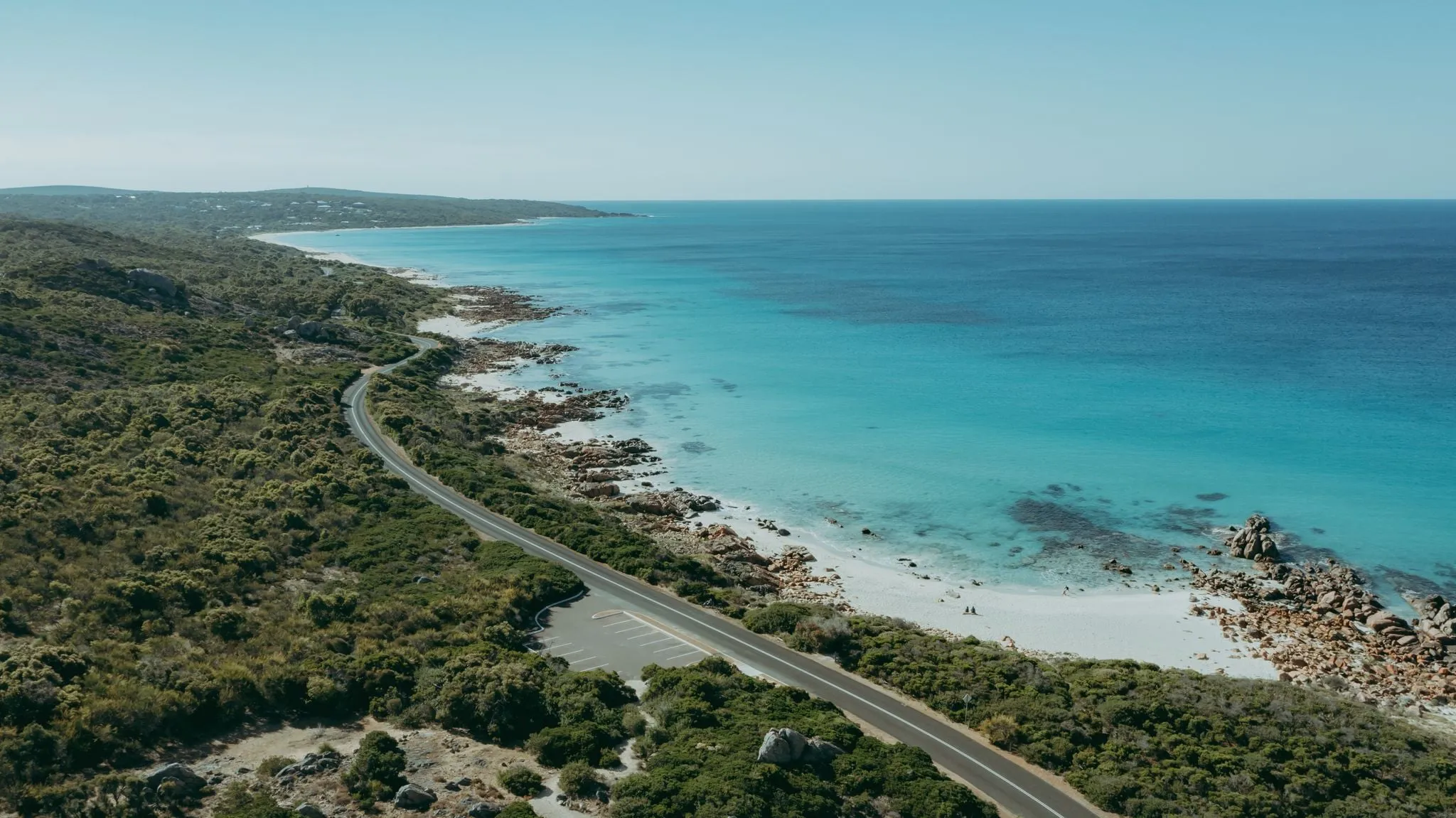
The natural character changes dramatically depending on which region calls to you. Tasmania's Bicheno combines coastal drama with temperate forest and offers encounters with local wildlife in relatively compact, accessible terrain. The Margaret River Region in Western Australia blends jarrah and karri forests with river valleys and a gentler, more intimate kind of bushwalking. Each destination carries its own rhythm and demands different preparation, from heat management in the arid interior to understanding tidal patterns on the coast.
Visiting Australia's natural spaces works best when you embrace both its scale and its specificity. Many outdoor experiences here reward slow travel: you'll gain more from spending several days in one region than rushing between sites. Water, sun protection, and reliable navigation are non-negotiable practicalities in remote areas, and checking local conditions before you go isn't optional. The best time to visit depends entirely on which region interests you—the tropical north has a distinct wet season, while the arid centre can become extremely hot. Most visitors find Australia's outdoor destinations rewarding year-round if you choose your location and season thoughtfully.
Questions people ask
What is there to do in Australia's natural areas?
Activities span hiking and bushwalking through national parks, wildlife spotting in tropical and temperate forests, rock climbing and exploring monoliths like Uluru, swimming in natural pools beneath waterfalls, visiting Aboriginal rock art sites, kayaking rivers, and coastal walks. Each region offers distinct experiences: Kakadu combines river cruises with escarpment walks, Litchfield focuses on waterfall hikes and natural swimming holes, while Margaret River offers forested trails and river valley exploration.
Do I need experience to visit these outdoor destinations?
Most accessible trails and viewpoints require no special experience, though some areas demand good fitness and navigation skills. Uluru has accessible viewing platforms for all ability levels, and many national parks offer both easy walks and challenging multi-day hikes. It's crucial to check specific trail grades and conditions before planning your visit, and consider hiring local guides, especially in remote areas like Kakadu, where environment knowledge genuinely enhances safety and cultural understanding.
What's the best time of year to visit Australia's nature spots?
Timing depends on your destination. Northern Territory parks like Kakadu and Litchfield are most comfortable during the dry season (May to October), when heat is manageable and tracks are accessible. The red centre around Uluru is best visited April to September when temperatures aren't extreme. Tasmania's Bicheno and the Margaret River Region are pleasant year-round, though cooler months (May to August) suit hiking better. Always check local weather warnings before planning, as conditions vary significantly.
Are these destinations suitable for families or casual visitors?
Yes. Most parks have walks suited to different fitness levels and ages, and visitor centres provide guidance on appropriate trails. Bicheno and Margaret River tend to be more family-friendly than remote interior locations. Iconic viewpoints like Uluru are accessible without serious hiking. That said, Australia's outdoors demands respect for heat, distance, and wildlife: always bring water, sun protection, and reliable maps, and never underestimate the time and preparation required, even for seemingly short walks in remote regions.