

Guide
Culture & History Days Out in Austria


Free



About Culture & History Days Out in Austria
Austria's cultural landscape is shaped by centuries of imperial grandeur, artistic innovation, and intellectual tradition. A day spent exploring the country's historical and cultural sites is an encounter with the forces that have shaped Central Europe: the Austro-Hungarian legacy, the Enlightenment ideals preserved in baroque libraries, the avant-garde spirit that continues to define contemporary art. Whether you're drawn to the weight of empire, the precision of artistic vision, or the dialogue between tradition and modernity, Austria offers experiences that reward both casual visitors and dedicated enthusiasts.
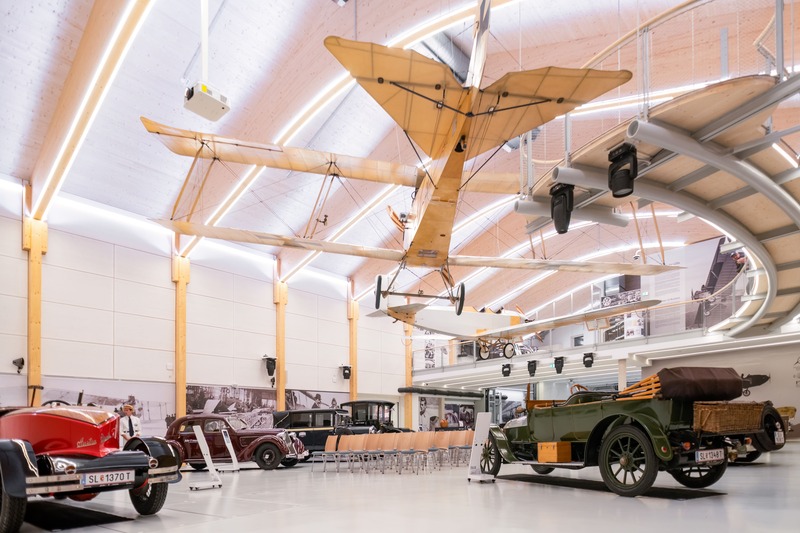
The country's strength lies in the variety of its offerings. Vienna alone holds treasures like the Kapuzinergruft, the imperial crypt where Habsburg rulers rest beneath ornate sarcophagi, a visceral reminder of power and mortality intertwined. Beyond the capital, regional cities have assembled remarkable collections: Salzburg's Museum der Moderne showcases contemporary work in a carefully curated setting, while Graz's Kunsthaus stands as a striking modern structure housing ambitious exhibitions. Linz's Ars Electronica Center represents a distinctly Austrian approach to culture, where technology and creativity merge in interactive, forward-thinking displays. Even smaller destinations like Mattsee and Admont offer something unexpected—fahr(T)raum Mattsee brings playful engagement with contemporary ideas, and Admont Abbey Museum combines monastic history with artistic treasures in one of the country's most atmospheric locations.
Choosing between these experiences depends partly on what draws you. If you're interested in the tangible weight of history, Vienna's imperial sites and Admont's abbey library speak directly to power structures and intellectual lineage. If you prefer art on its own terms—whether historical or contemporary—the dedicated museums in Salzburg, Graz, and Linz offer focused, high-quality collections. Some visitors prefer a mixed approach: spend time in a major city's museums, then venture to smaller towns where culture feels less curated and more embedded in everyday architecture and civic pride.
Timing matters. Austria's cultural institutions operate year-round, but the experience shifts with season. Summer brings crowds and outdoor performances alongside museum visits; winter offers quieter galleries and the atmospheric interiors that showcase these spaces at their best. Spring and autumn split the difference, with pleasant weather and manageable visitor numbers. Most sites are accessible without advance planning, though major exhibitions sometimes require booking, especially in Vienna.
These attractions suit different temperaments. History enthusiasts and those seeking immersion in European grand tradition gravitate toward imperial sites and abbey museums. Contemporary art lovers and those curious about how culture intersects with technology find energy in the modern and media-focused venues. Families often discover that the best cultural days out balance a museum visit with something more interactive or visually striking. No previous knowledge is required—each venue presents itself clearly to newcomers, though having some awareness of Austrian history or art movements enriches the visit considerably.
Practically speaking, Austria's excellent public transport makes day trips straightforward. Vienna's sites cluster tightly enough for multiple visits in one day; the regional museums justify trips from the capital or from each other, depending on your route. Expect to spend two to four hours at most major museums, with imperial crypts and abbey sites sometimes taking less time but leaving lasting impressions. Admission is generally moderate, and many sites offer combined tickets or reduced rates. English signage and labeling are standard, removing language barriers for international visitors. Whether you approach a day out as a single deep dive into one place or a broader survey of Austrian culture, the country rewards attention and curiosity.
Questions people ask
What can you see at the Kapuzinergruft in Vienna?
The Kapuzinergruft is the imperial crypt of the Habsburg dynasty, containing the tombs of emperors, empresses, and other family members within an atmospheric underground chamber. Visitors can walk among ornate sarcophagi and gravestones that reflect centuries of imperial history, from the 17th century onwards, making it one of Vienna's most historically significant and emotionally resonant destinations.
Which Austrian museums focus on contemporary and modern art?
Museum der Moderne Salzburg, Kunsthaus Graz, and Ars Electronica Center in Linz are Austria's leading contemporary venues. The Salzburg museum specializes in modern art, Graz's Kunsthaus is architecturally striking and hosts ambitious exhibitions, while Linz's Ars Electronica Center uniquely emphasizes the intersection of art, technology, and interactive experiences, appealing to those interested in how culture evolves.
Is Admont Abbey Museum worth visiting if I'm not particularly religious?
Yes. Admont Abbey Museum combines monastic history with outstanding artistic and architectural treasures, operating as a cultural institution rather than a religious site. The abbey library and collections appeal to anyone interested in European intellectual history, baroque design, and how cultural knowledge has been preserved across centuries, regardless of religious background.
How far are these cultural sites from Vienna, and can I visit more than one in a day?
Vienna itself contains the Kapuzinergruft and other major sites. Salzburg and Graz are within one to two hours by train from Vienna, making them feasible for day trips. Linz and Admont are also accessible by public transport. Visiting multiple museums in one day is possible if you're selective about depth, though most visitors find spending focused time in one or two locations more rewarding.
What's the best time of year to visit Austrian cultural attractions?
Cultural institutions operate year-round, so any season works. Summer offers the liveliest atmosphere and outdoor cultural events, but brings larger crowds. Winter provides quieter galleries and atmospheric interior spaces. Spring and autumn offer pleasant weather with moderate visitor numbers, making them ideal for those seeking a balanced experience without rushing through exhibitions.