
.avif)
Guide
Explore the World's Best Campsites
Free
About Explore the World's Best Campsites
Camping brings you closer to the landscapes that define a place—whether you're waking beneath towering peaks, beside pristine lakes, or in the shadow of ancient glaciers. A great campsite isn't just a place to pitch a tent; it's the gateway to authentic outdoor adventure, often positioned perfectly for hiking, wildlife viewing, and experiencing nature in its rawest form. The campsites featured here span continents and climates, from Europe's mountain valleys to New Zealand's alpine lakes and Iceland's volcanic wilderness, each offering something distinct in terms of landscape, access to trails, and the kind of immersion that day-trippers and overnight visitors are both seeking.
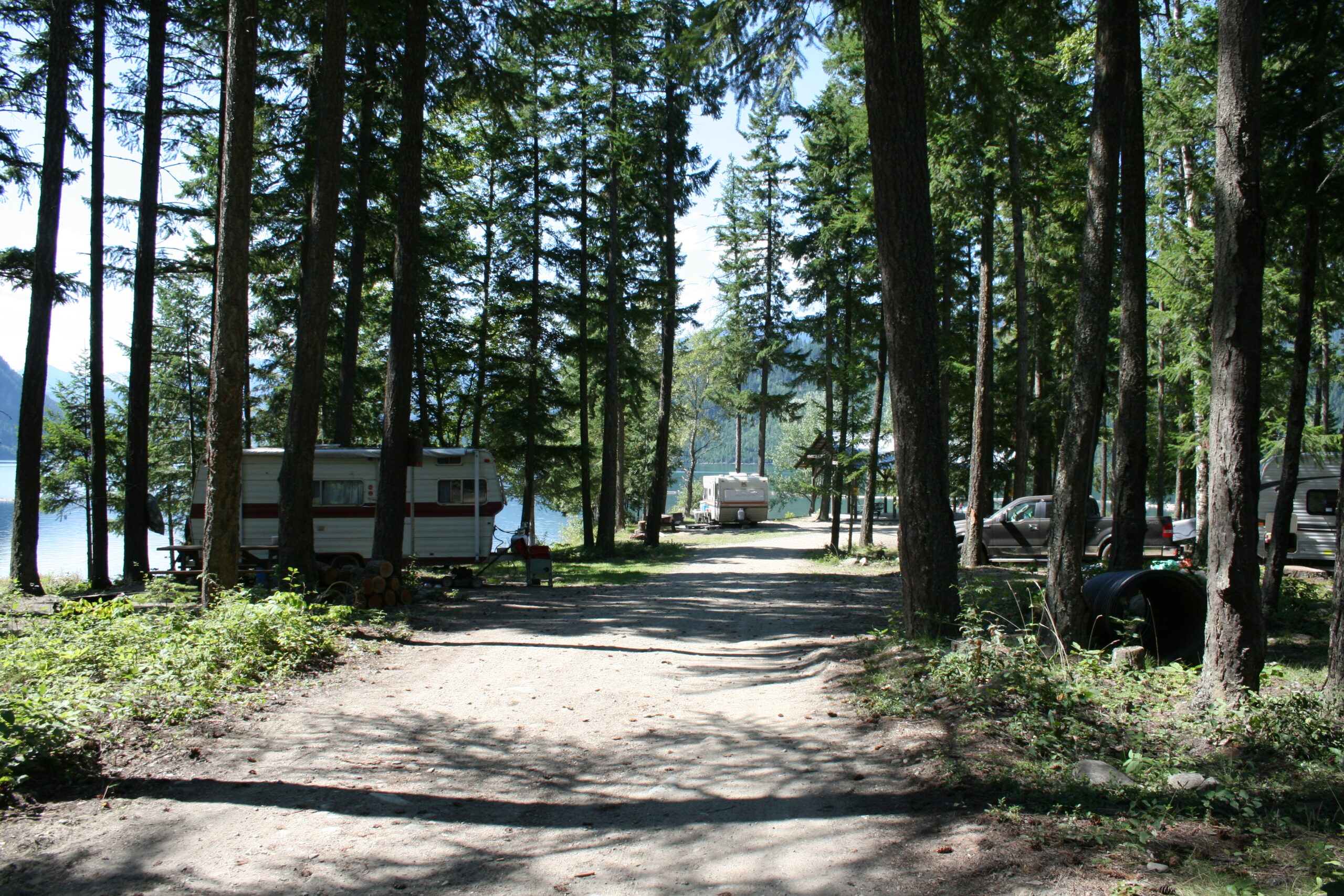
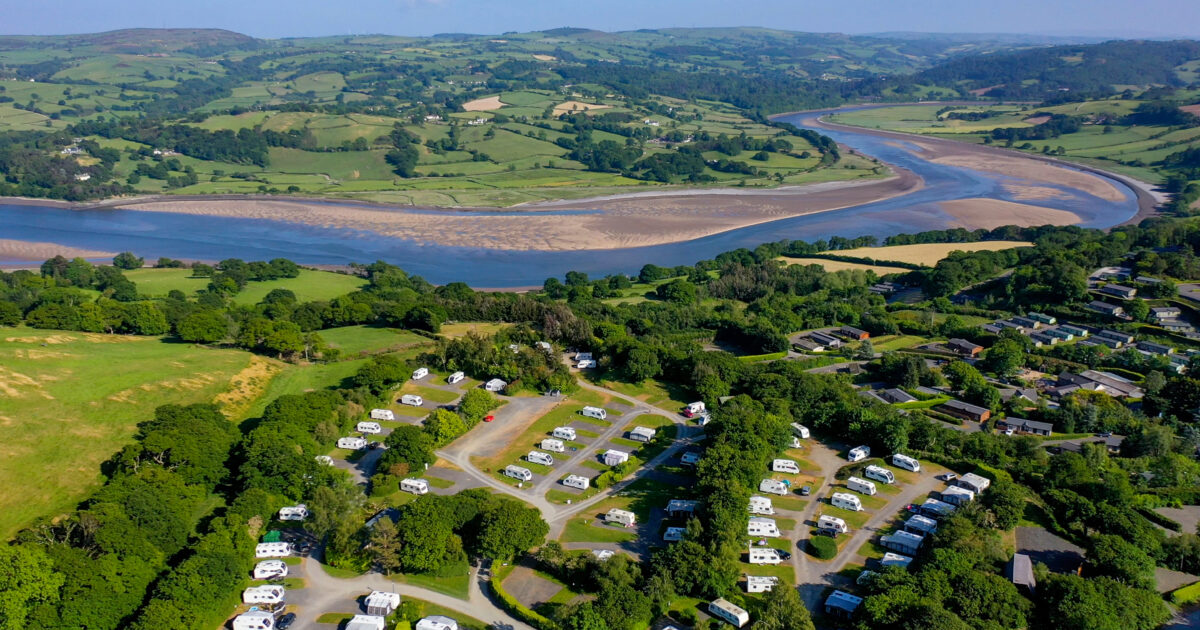
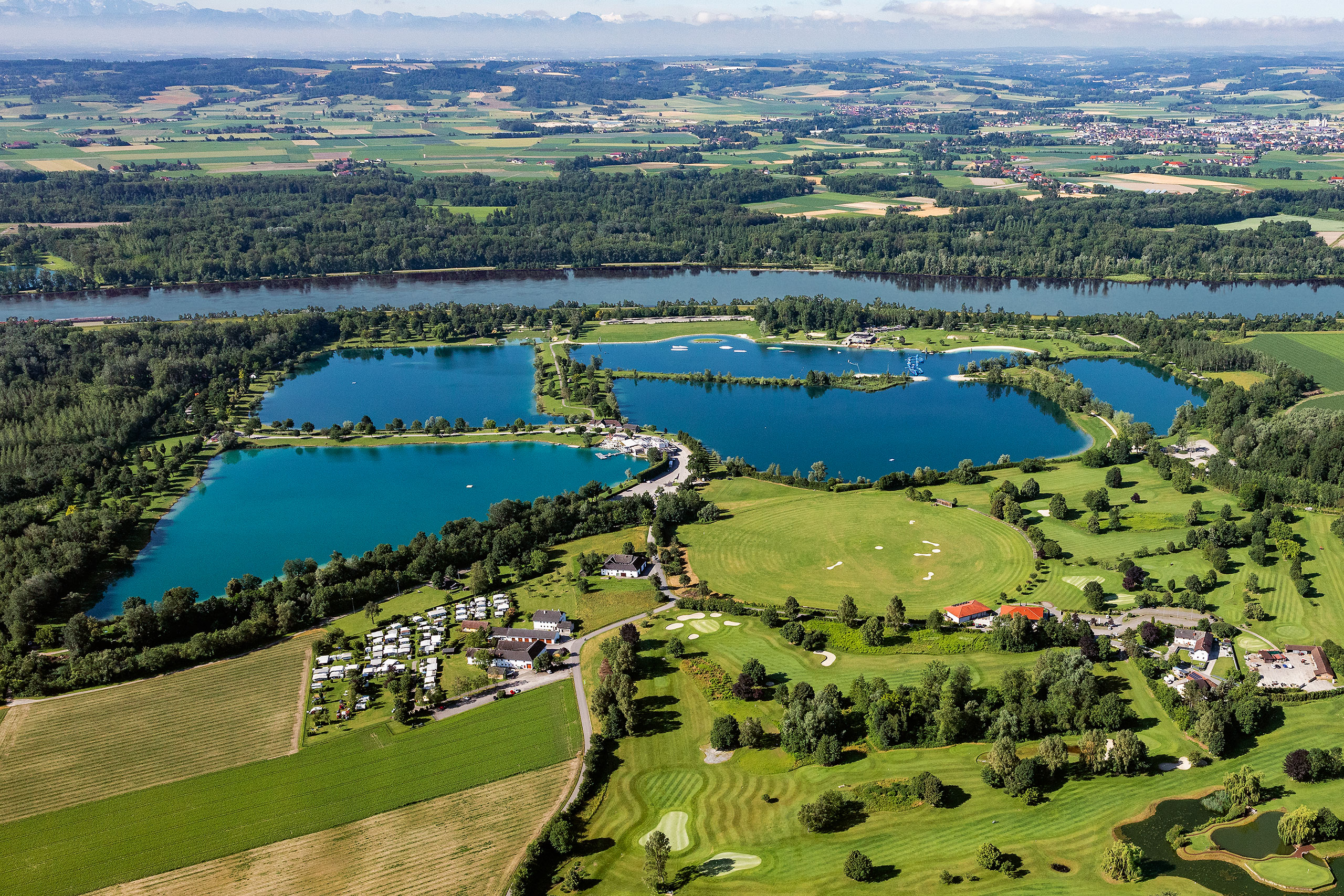
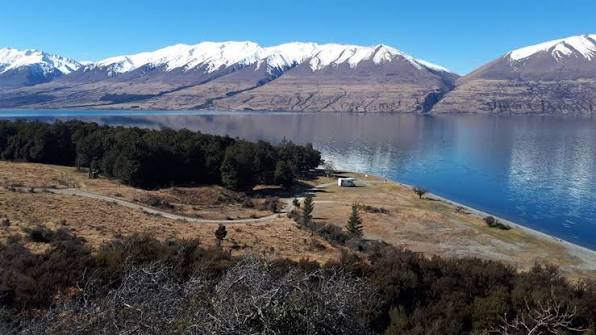
What makes these destinations worth visiting is their setting. Skaftafell in Iceland's Vatnajökull National Park sits at the doorstep of glacier-fed landscapes, where you can explore ice caps and waterfalls without venturing far from base camp. In British Columbia, Glacier Creek Regional Park near Howser opens onto some of Canada's most dramatic mountain terrain—the kind of backdrop that justifies the effort of getting there. Closer to home for many UK visitors, Conwy Holiday Park in North Wales serves as a launchpad for Snowdonia's peaks and coastal paths. Austria's Feldkirchen an der Donau and New Zealand's Lake Ohau offer their own flavours: one nestled in a river valley perfect for leisurely exploration, the other positioned for high-altitude lake and mountain scenery in the Southern Alps.
Camping at these locations means trading hotel convenience for something more rewarding: the chance to fall asleep to native birdsong, wake naturally with the light, and spend your day in genuine wilderness rather than queuing at attractions. Many of these sites serve as bases for multi-day hikes, fishing, kayaking, or simply sitting still in spaces where human noise feels distant. The experience is immersive but accessible—these aren't remote backcountry sites requiring specialist skills, but rather well-positioned campsites where facilities and trail access meet genuine natural beauty.
The best time to visit depends on your location and preferences. In Iceland and the Canadian Rockies, summer brings midnight sun and clear skies but also peak crowds; shoulder seasons offer fewer visitors and still-reliable weather. New Zealand's Lake Ohau shines in summer and autumn, when the weather is most stable and the alpine light particularly clear. Wales and Austria are pleasant through spring, summer, and early autumn, with summer offering the longest days for exploration. Most of these destinations suit anyone from solo travellers and couples seeking quiet immersion to families wanting a nature-based holiday that doesn't require expensive gear or specialist training. Expect to rough it slightly—communal facilities, basic amenities—but not to sacrifice safety or comfort entirely.
Questions people ask
What kind of facilities should I expect at these campsites?
These are established campsites, so you'll typically find basic but well-maintained facilities including toilets, water access, and often electric hook-ups or ablution blocks. Conwy Holiday Park and Camping Puchner, as holiday-oriented sites, tend to offer more comprehensive amenities including shower facilities and camp shops. More remote locations like Skaftafell and Round Bush offer simpler setups—think pit toilets or basic bathhouses—so it's worth checking individual site details before booking if creature comforts matter to you.
What activities are available at these campsites?
Each site is positioned for different pursuits. Skaftafell is known for glacier hikes and waterfall walks; Glacier Creek Regional Park attracts hikers, climbers, and mountaineers; Conwy serves as a base for Snowdonia walking and Welsh coastal exploration; Camping Puchner offers river access and valley walks in Austria's Danube region; and Round Bush at Lake Ohau is ideal for hiking, fishing, and alpine lake activities. Most are also simply places to relax and soak in dramatic landscapes—walking and photography are universally available.
Do I need my own tent and camping gear?
Most of these sites accept traditional tent camping, though many also offer glamping pods, cabins, or pre-pitched options if you'd prefer not to bring your own equipment. Check the individual site listings for what's available. If you're flying internationally, renting gear locally or booking an on-site cabin is often easier and cheaper than transporting a tent across continents.
Which of these campsites is best for beginners?
Conwy Holiday Park in Wales and Camping Puchner in Austria are particularly beginner-friendly, with established amenities, less extreme weather, and proximity to towns and shops. They're forgiving environments where a first camping trip feels rewarding rather than daunting. Skaftafell and Round Bush are accessible for beginners too, but require more self-sufficiency and comfort with variable weather.
How far in advance should I book?
Popular sites like Skaftafell and Conwy can fill quickly during peak season (June to August in the Northern Hemisphere, December to February in New Zealand), so booking several weeks or months ahead is wise if you're travelling in summer. Shoulder season visits in May, September, or October often have better availability and still offer good weather, making last-minute booking more feasible.