
☀️ 10°
Guide

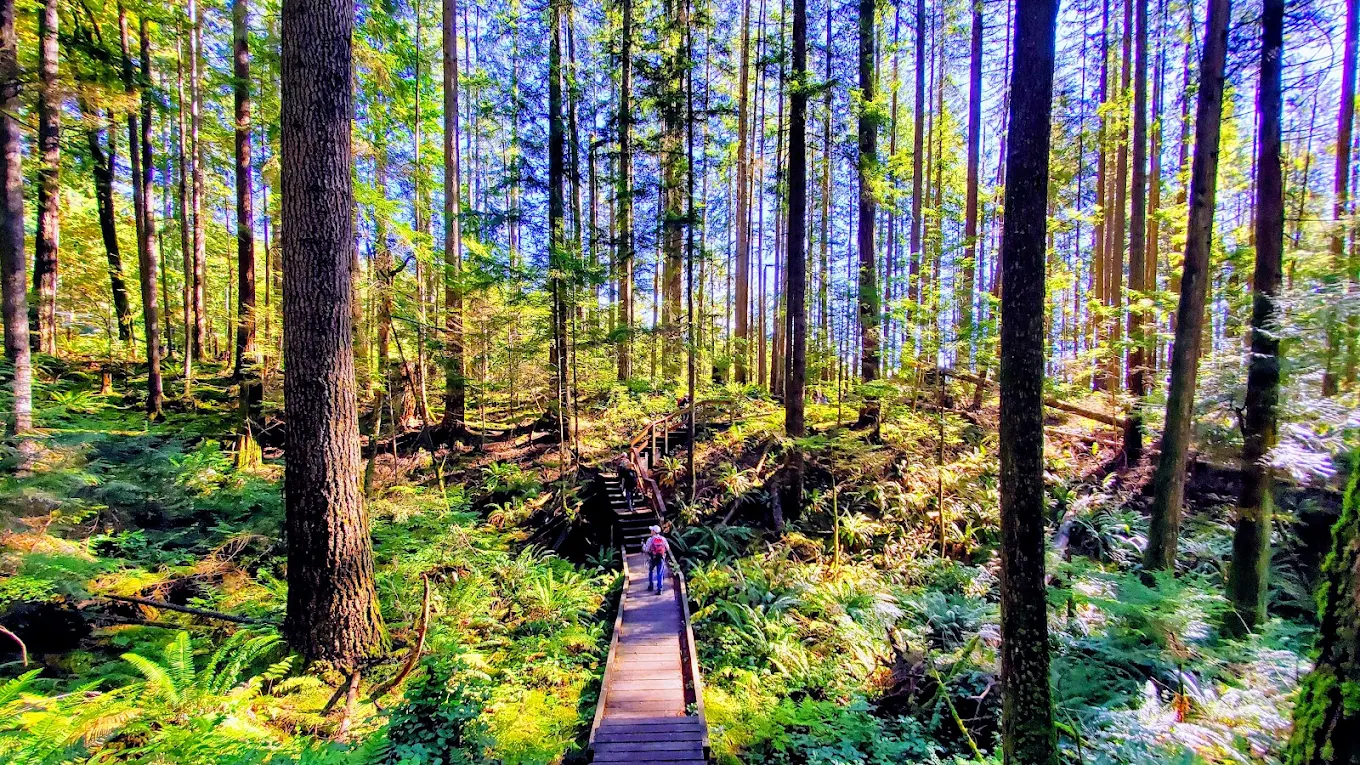


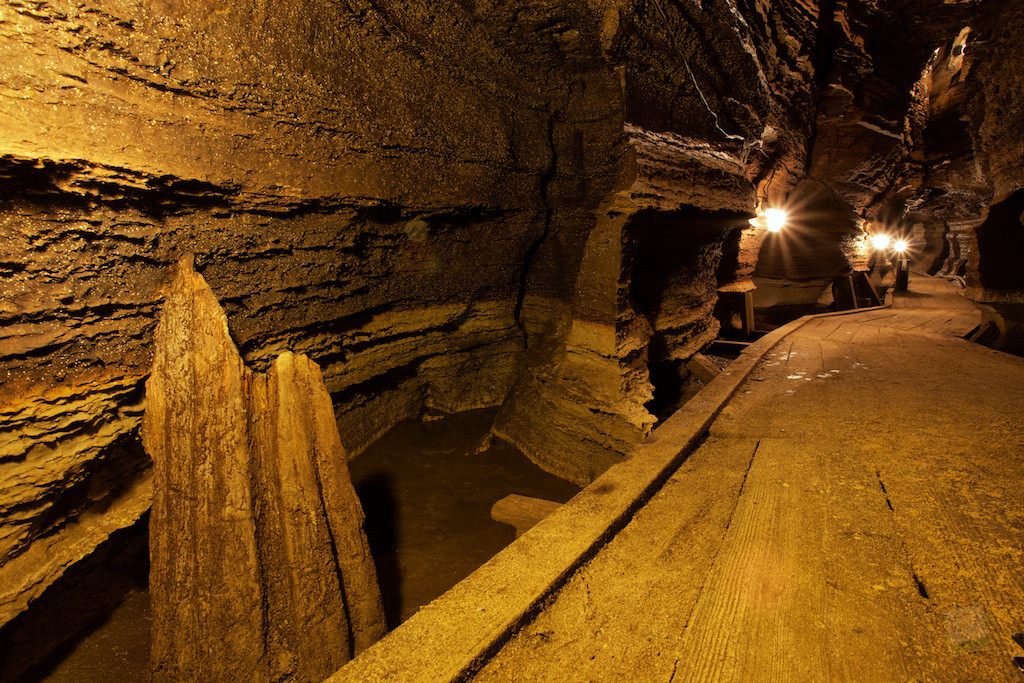

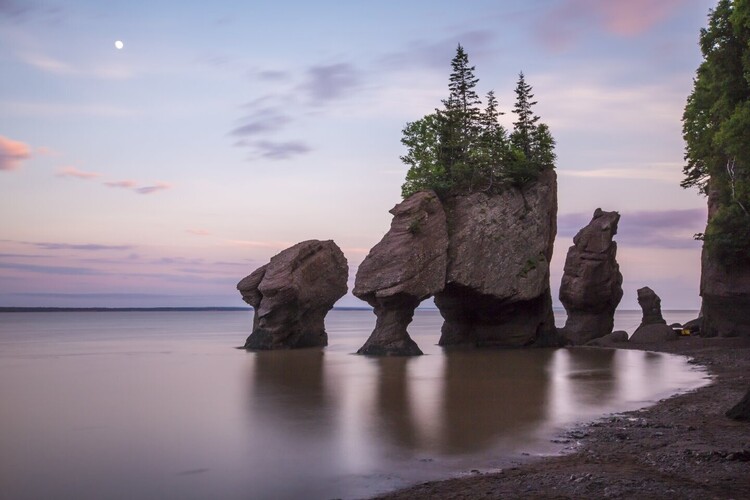

Canada's landscape is defined by raw geological drama and untouched wilderness. From the limestone caverns of Ontario to the turquoise alpine lakes of British Columbia, the country offers some of North America's most distinctive natural attractions. Whether you're drawn to coastal rock formations sculpted by tidal forces, thundering waterfalls hidden in remote valleys, or the kind of scenery that justifies a weekend drive, Canada delivers experiences that feel genuinely removed from the everyday.
The range of natural environments packed into one country is remarkable. You can descend into underground cave systems where stalactites tell stories of millennia, paddle into coves where the tide rise and fall reshape the landscape twice daily, or hike to pristine glacial lakes that seem almost impossibly blue. Each region brings its own character: the rugged Pacific coast of British Columbia, the limestone country of eastern Ontario, the dramatic river valleys of Quebec, and the Bay of Fundy's famous tidal extremes in New Brunswick. Most of these attractions remain relatively accessible by car, though many require short to moderate walks to reach the real payoff.
Visiting Canada's natural wonders works best in warmer months, typically May through September, when trails are clear, roads are reliably passable, and weather is most stable. Spring snowmelt can make waterfalls particularly impressive, while summer offers the longest daylight hours. Fall brings fewer crowds and dramatic colour in forested regions. Winter access varies hugely by location—some caves and coastal sites remain open year-round, while mountain passes and remote parks may close temporarily. The country's vast distances mean you'll often need to build travel time into your itinerary; even famous sites can require several hours of driving from major cities.
These destinations suit different visitors in different ways. Families with young children tend to gravitate toward Hopewell Rocks or guided cave tours, where the experience is manageable and the wow factor immediate. Serious hikers and photographers chase Joffre Lakes or Vauréal Falls, accepting longer approaches in exchange for less crowding and more dramatic light. Casual day-trippers find plenty of options within an hour or two of regional towns. Most sites charge modest entry fees or are free; many have parking, some facilities, and varying degrees of development. The Canadian landscape rewards both the rushed weekend visitor and the traveller who builds in time to linger and absorb.
Late May through September offers the most reliable conditions: clear trails, open roads, stable weather, and the longest daylight. Spring (April–May) brings impressive waterfall flows from snowmelt. Fall brings smaller crowds and forest colour. Winter access depends on location—some coastal sites and caves remain open, but mountain parks and remote trails often close or become hazardous.
It varies widely. Hopewell Rocks and Bonnechere Caves can be experienced in 2–3 hours with guided tours or self-directed exploration. Joffre Lakes typically requires a 5–7 hour day including the hike and time to absorb the scenery. Vauréal Falls and Glacier Creek may require similar or longer commitments depending on trail difficulty. Most visitors plan half-day or full-day visits rather than quick stops.
Most sites are accessible to a broad range of fitness levels. Cave tours are typically guided and require no prior experience. Coastal attractions like Hopewell Rocks involve gentle walking and viewing platforms. Alpine lakes and waterfall hikes vary from easy walks to moderate scrambles—check individual site descriptions before planning. Sturdy footwear is advisable for nearly all outdoor attractions.
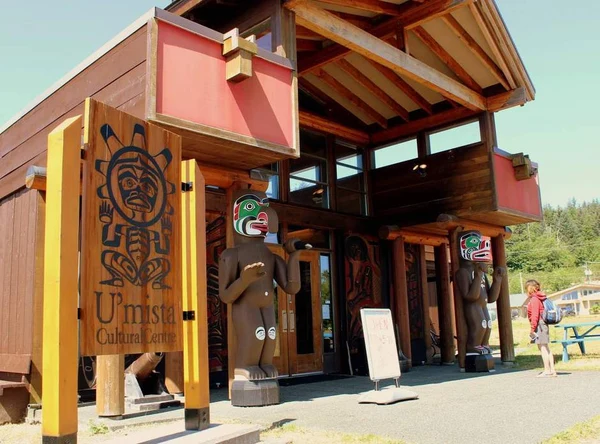
Popularity varies by season and location. Joffre Lakes and Hopewell Rocks attract significant summer traffic. Bonnechere Caves and Vauréal Falls see fewer visitors. Glacier Creek and Alert Bay remain relatively quiet even in peak season. Visiting on weekdays or outside school holidays generally means smaller crowds. Many sites spread visitors across a large area, so congestion rarely feels severe.
Most natural attractions charge modest fees or are free. Guided cave tours typically run between CAD 15–30 per person. Some provincial and regional parks charge small day-use fees. Parking is usually free or nominal. Accommodation and food in nearby towns vary widely depending on the region and your choice of lodging. Planning a weekend trip typically costs between CAD 100–300 per person beyond travel and meals.
We use necessary cookies to run the site, and — only with your consent — optional cookies for analytics and, in future, advertising. See our Cookie Policy and Privacy Policy.