
Free
Guide


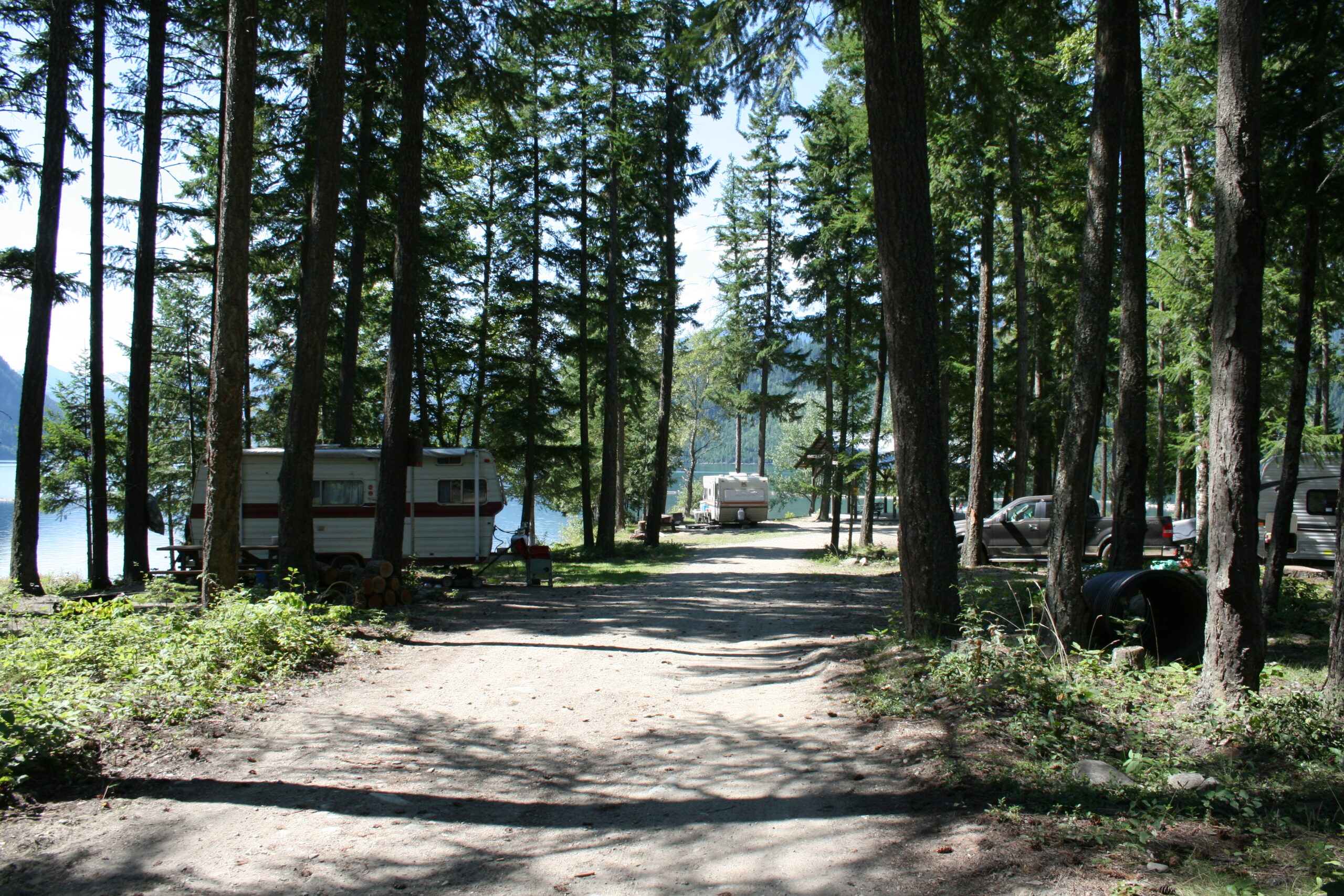


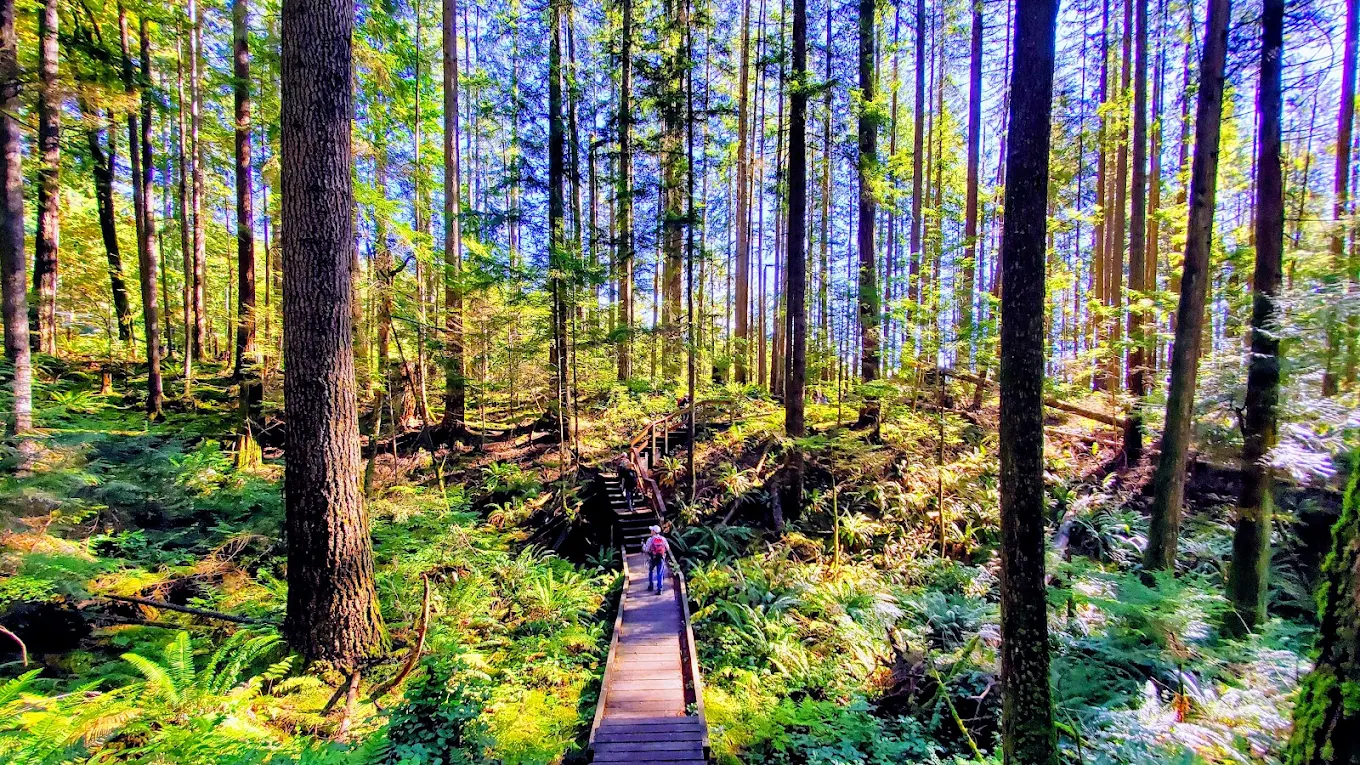
Canada's landscapes rank among the most dramatic and unspoiled on Earth, and the country's outdoor attractions span every terrain imaginable. Whether you're drawn to pristine alpine lakes, underground cave systems, roaring waterfalls, or the extraordinary power of tidal forces, Canada delivers experiences that feel genuinely remote and wild. The scale here is humbling—vast forests, mountain ranges carved by glaciers, and coastlines shaped by geological forces working over millennia. For anyone seeking a day out or a weekend escape into nature, Canada offers the rare combination of accessibility and genuine wilderness, with attractions scattered across the provinces that each showcase a distinct landscape and character.
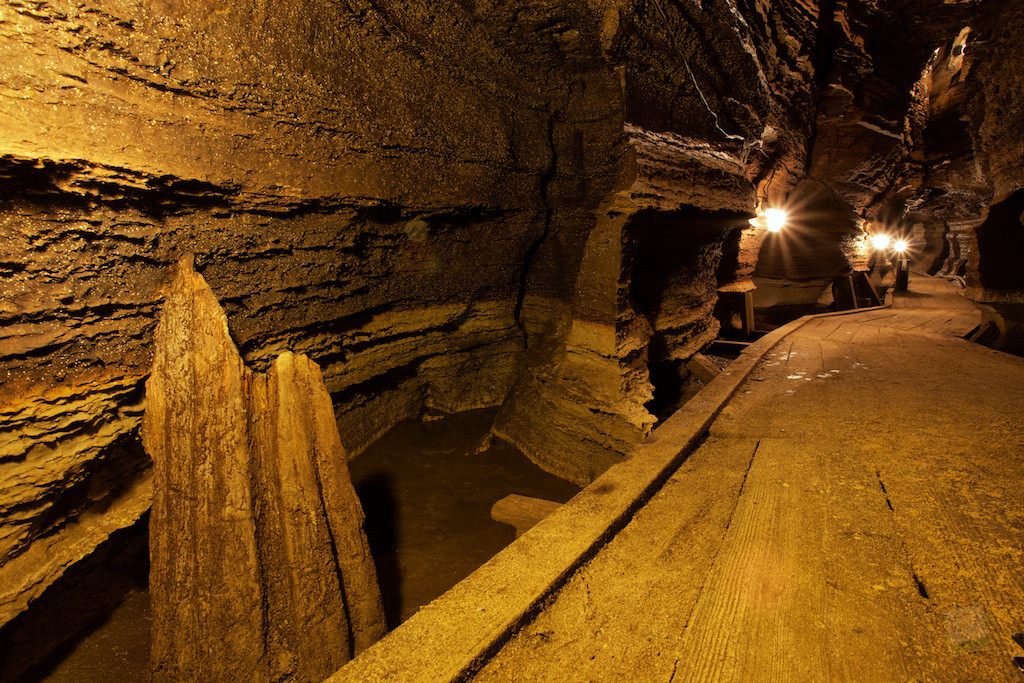
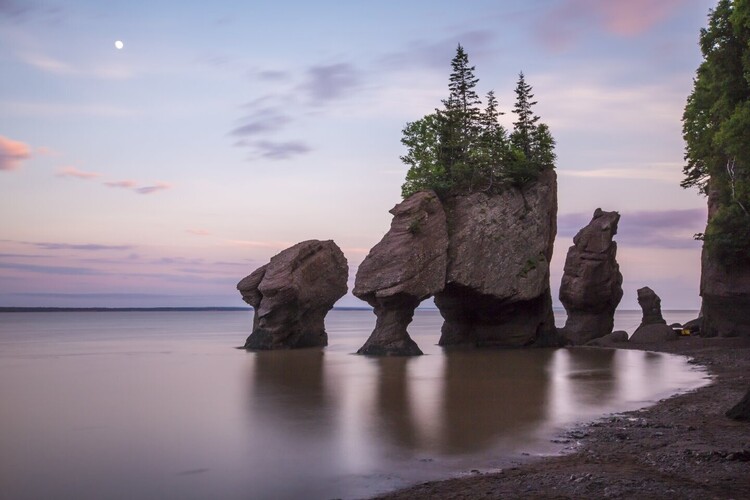
Canada's nature attractions are remarkably diverse. You can explore underground cave systems like Bonnechere Caves in Ontario, discover vivid glacial lakes such as Joffre Lakes in British Columbia, hike to remote waterfalls like Vauréal Falls on the Gaspé Peninsula in Quebec, wander through regional parks with creek valleys and forest ecosystems, or witness extraordinary natural phenomena like the dramatic tidal movements at Hopewell Rocks in New Brunswick. Each region has developed distinct attractions based on its geology and landscape.
Timing depends on the region and what you want to experience. Summer and early autumn are peak seasons across most of Canada, offering reliable weather and full access to hiking trails, lakes, and coastal areas. Winter transforms certain regions into snow-covered landscapes, which appeals to some visitors but can limit access to certain sites. Spring brings waterfalls at their most powerful as snowmelt feeds into cascades and creeks, making it an excellent time to visit falls-focused destinations.
Yes—Canada's major outdoor attractions range from easily accessible sites to more demanding hikes. Some destinations like Hopewell Rocks are accessible to visitors of varying fitness levels, while others may require moderate hiking or cave exploration. Most have developed facilities and clear trails, though it's worth checking specific conditions and difficulty ratings before you go, especially if you're visiting with children or have limited mobility.
Popular destinations like Joffre Lakes and Hopewell Rocks do attract visitors, particularly in peak season, so arriving early or visiting outside school holidays can improve your experience. Most established outdoor attractions have parking, basic facilities, and clear signage. More remote locations like Glacier Creek Regional Park tend to be quieter. It's wise to bring water, appropriate footwear, and weather-appropriate clothing regardless of which destination you choose.
Most attractions are accessible to the general public without specialist training. Cave exploration at Bonnechere Caves is guided, so no caving experience is needed. Hiking to waterfalls or around lakes requires standard hiking gear and reasonable fitness, but not technical climbing skills. Always check specific site requirements beforehand and bring essentials like water, sun protection, and sturdy footwear.
We use necessary cookies to run the site, and — only with your consent — optional cookies for analytics and, in future, advertising. See our Cookie Policy and Privacy Policy.