

🌤️ 15°
Guide






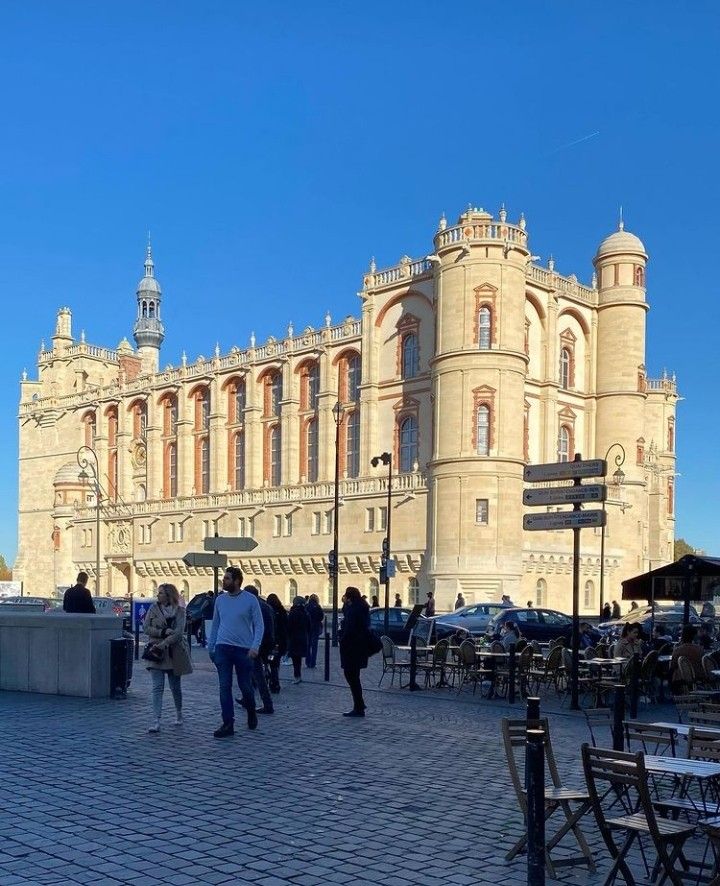


France holds some of Europe's most compelling archaeological treasures, spanning from prehistoric monuments to Roman ruins and medieval ossuary networks. Whether you're drawn to the mystery of ancient stones, the echoes of Roman civilization, or the haunting underground passages of historic cities, France's archaeological landscape offers something remarkable for every curious traveler. These sites are scattered across the country—from Brittany's windswept coasts to the heart of Paris—each telling a distinct chapter of human history.
Visiting ancient sites in France means stepping into layers of time. The country's archaeological heritage reflects thousands of years of settlement, conquest, and cultural evolution. Unlike some archaeological destinations that feel remote or inaccessible, many of France's most significant sites are integrated into modern towns and cities, making them easy to reach while maintaining their powerful sense of history. You'll encounter everything from monumental standing stones that predate written history to carefully preserved Roman public spaces and the intricate ossuary networks buried beneath one of the world's great cities.
The experience of exploring these sites varies dramatically depending on what you choose. Some, like the Paris Catacombs, involve descending into atmospheric underground spaces where millions of remains rest in carefully arranged patterns. Others, such as the Broken Menhir of Er Grah in Brittany, require you to stand in open landscape and contemplate stones erected in prehistoric times, their original purpose still debated by scholars. The Bavay Ancient Forum offers the chance to walk through the ruins of a once-thriving Roman crossroads, while the Frieze of Lions in Saint-Germain-en-Laye showcases beautifully preserved stone carving from the Roman period.
Best visited year-round, France's archaeological sites are most comfortable in spring and autumn when temperatures are mild and crowds at major attractions are more manageable. Summer brings larger visitor numbers, particularly to Paris's Catacombs, while winter can be damp and cold, especially at open-air sites. These destinations suit anyone with an interest in history, whether you're a serious archaeology enthusiast, a casual history lover, or simply someone seeking unusual days out off the conventional tourist trail. Some sites require advance booking or have specific visiting hours, so planning ahead ensures the best experience.
The Paris Catacombs are a vast network of underground quarries and ossuaries beneath the city, containing the remains of millions of people arranged in organized patterns. This creates a deeply atmospheric experience unlike typical above-ground archaeological sites, combining geology, history, and memento mori in a single extraordinary space located directly under one of Europe's most vibrant cities.
The Broken Menhir of Er Grah is an open-air prehistoric monument in Locmariaquer, Brittany, accessible year-round. While you can visit independently to observe this massive fractured megalith, local guides can provide valuable context about its age, original structure, and the theories surrounding its purpose and collapse.
The Bavay Ancient Forum was a public space in a Roman settlement that served as the civic and commercial heart of the community. As a forum, it would have hosted markets, public gatherings, and important meetings, making it essential to understanding how ordinary Roman life functioned outside of the empire's major cities.
Most sites are family-friendly, though the Paris Catacombs can be intense for very young children due to the underground setting and remains on display. Open-air sites like the Broken Menhir work well for families, and the Frieze of Lions in Saint-Germain-en-Laye is accessible and visually engaging for visitors of all ages.
Spring and autumn offer the most pleasant conditions with mild weather and fewer crowds, especially at popular sites like the Paris Catacombs. Summer is busier but reliable, while winter can be damp and cold, particularly at open-air locations like the Broken Menhir, though most sites remain open year-round.
We use necessary cookies to run the site, and — only with your consent — optional cookies for analytics and, in future, advertising. See our Cookie Policy and Privacy Policy.