

Guide
Culture & History Days Out in France


Free


Free

Free

Free
About Culture & History Days Out in France
France's cultural and historical landscape spans millennia, layering medieval architecture, classical art, Roman engineering, and prehistoric mystery into a single country that rewards curious exploration. Whether you're drawn to the spiritual drama of a tidal island, the refined treasures of Paris, the quiet power of ancient stone, or the buried grandeur of a Roman forum, France offers days out that genuinely deepen your understanding of European civilization. The country's historical depth means you're rarely visiting a single monument in isolation—each site sits within a landscape shaped by centuries of human presence, giving even a half-day excursion the feel of stepping back in time.
What makes French cultural tourism distinct is how accessible it feels. Major sites like Mont Saint-Michel in Normandy are famous for good reason: the island rises dramatically from its bay, drawing visitors into a medieval world of narrow streets, fortified walls, and the abbey at its peak. But France's appeal extends well beyond the obvious. In Paris, smaller galleries and historical collections offer encounters with individual artworks and artifacts that no guidebook quite prepares you for. In Brittany and Nord-Pas-de-Calais, prehistoric and Roman remains like the Broken Menhir of Er Grah and the Bavay Ancient Forum connect you to periods so distant they can feel almost mythical.
The practicality of visiting these sites varies. Some, like Mont Saint-Michel, require planning around tidal patterns and seasonal crowds. Others, tucked into towns like Saint-Germain-en-Laye or Locmariaquer, offer a more intimate pace. Paris-based cultural experiences sit a metro ride away from your accommodation. Regional sites often reward a car rental or train journey, but yield the deeper satisfaction of discovery away from the main tourist flows. The best approach depends on your interests: if you want concentrated cultural immersion, Paris works well. If you prefer history layered into landscape, Normandy and Brittany deliver genuine atmosphere.
Timing matters. Summer brings peak crowds to Mont Saint-Michel and major Paris museums, but also the warmest weather and longest daylight for exploring. Shoulder seasons—spring and early autumn—offer fewer visitors and pleasant conditions. Winter can be atmospheric at smaller historical sites but means reduced hours and occasional closures. Most cultural sites are open year-round, though independent travelers should check ahead, especially for smaller collections and regional museums.
These days out suit anyone seeking genuine connection with the past rather than passive sightseeing. You'll get most from them if you're willing to move slowly, read signage, and let a single location absorb an hour or more of your time. Even first-time visitors find that stepping away from the most famous attractions into less-crowded historical sites often yields the most memorable encounters.
Questions people ask
What's the best way to visit Mont Saint-Michel?
Mont Saint-Michel sits in Normandy and is reachable by car or organized tour from nearby towns. The site is accessible most days, though tidal patterns can affect causeway access and atmosphere. Visit early morning or late afternoon to avoid peak midday crowds. Wear comfortable walking shoes, as the abbey and village involve steep stone staircases and cobbled paths.
Are these cultural sites mostly in Paris?
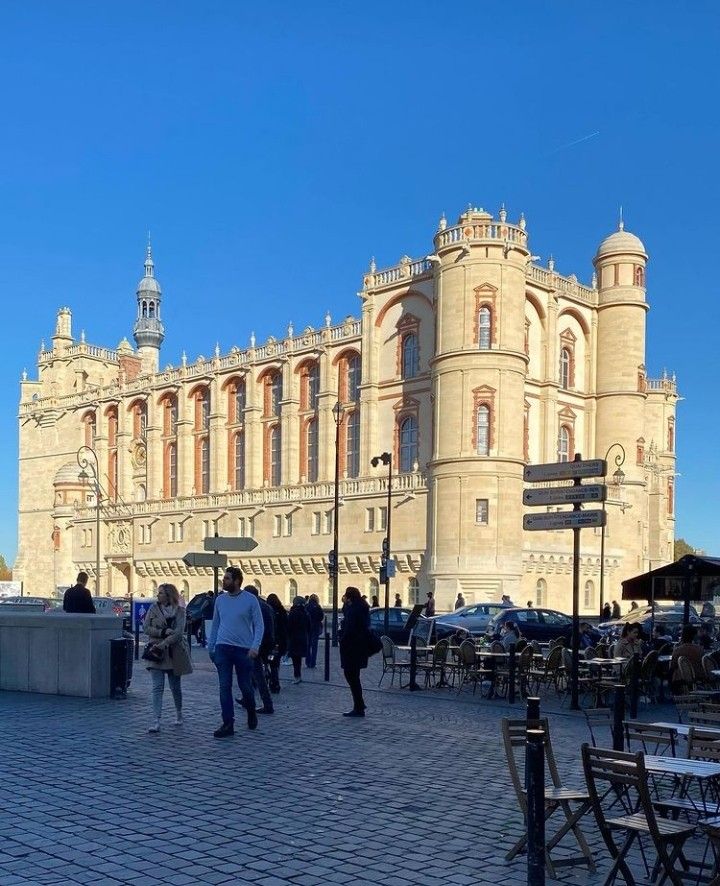
While Paris holds major collections including Napoleon's Angels, several significant sites lie outside the capital. Mont Saint-Michel anchors Normandy, the Broken Menhir of Er Grah sits in Brittany near Locmariaquer, the Frieze of Lions is in Saint-Germain-en-Laye west of Paris, and the Bavay Ancient Forum is in Nord-Pas-de-Calais in the north. Regional exploration is genuinely rewarding and often less crowded.
How much time should I spend at each location?
Major sites like Mont Saint-Michel warrant 2–3 hours to explore the abbey, village, and bay views without rushing. Smaller collections or single historical features in towns like Saint-Germain-en-Laye or Locmariaquer can be meaningfully experienced in 1–2 hours. Paris museums work best with at least a half-day per collection if you want to absorb rather than tick boxes.
Do I need a car to visit these cultural sites?
Not necessarily. Mont Saint-Michel and Paris sites are accessible by train and bus. For more remote locations like the Broken Menhir in Brittany or the Bavay Ancient Forum, a car offers flexibility, but local tourism offices can often suggest combined public transport and walking routes. Train travel between regions is reliable and comfortable.
What's the difference between the ancient and medieval sites here?
Medieval sites like Mont Saint-Michel showcase fortified architecture, religious art, and later-period settlement. Prehistoric monuments like the Broken Menhir connect you to cultures thousands of years older. Roman sites like Bavay Ancient Forum reveal urban planning and trade networks from antiquity. Visiting a mix gives you a sense of France's full historical span rather than a single historical period.