

Guide
Culture & History Days Out in Germany


Free

Free


Free


Free
About Culture & History Days Out in Germany
Germany's landscape is layered with centuries of artistic achievement, architectural ambition, and historical significance. From soaring Gothic cathedrals to world-class contemporary galleries, from fairy-tale castles perched on Alpine foothills to industrial heritage sites that tell the story of human innovation, the country offers an extraordinary range of cultural experiences. Whether you're drawn to ancient Roman settlements, operatic grandeur, or the visual arts, Germany rewards cultural explorers with depth, authenticity, and the kind of spaces where history still feels alive.
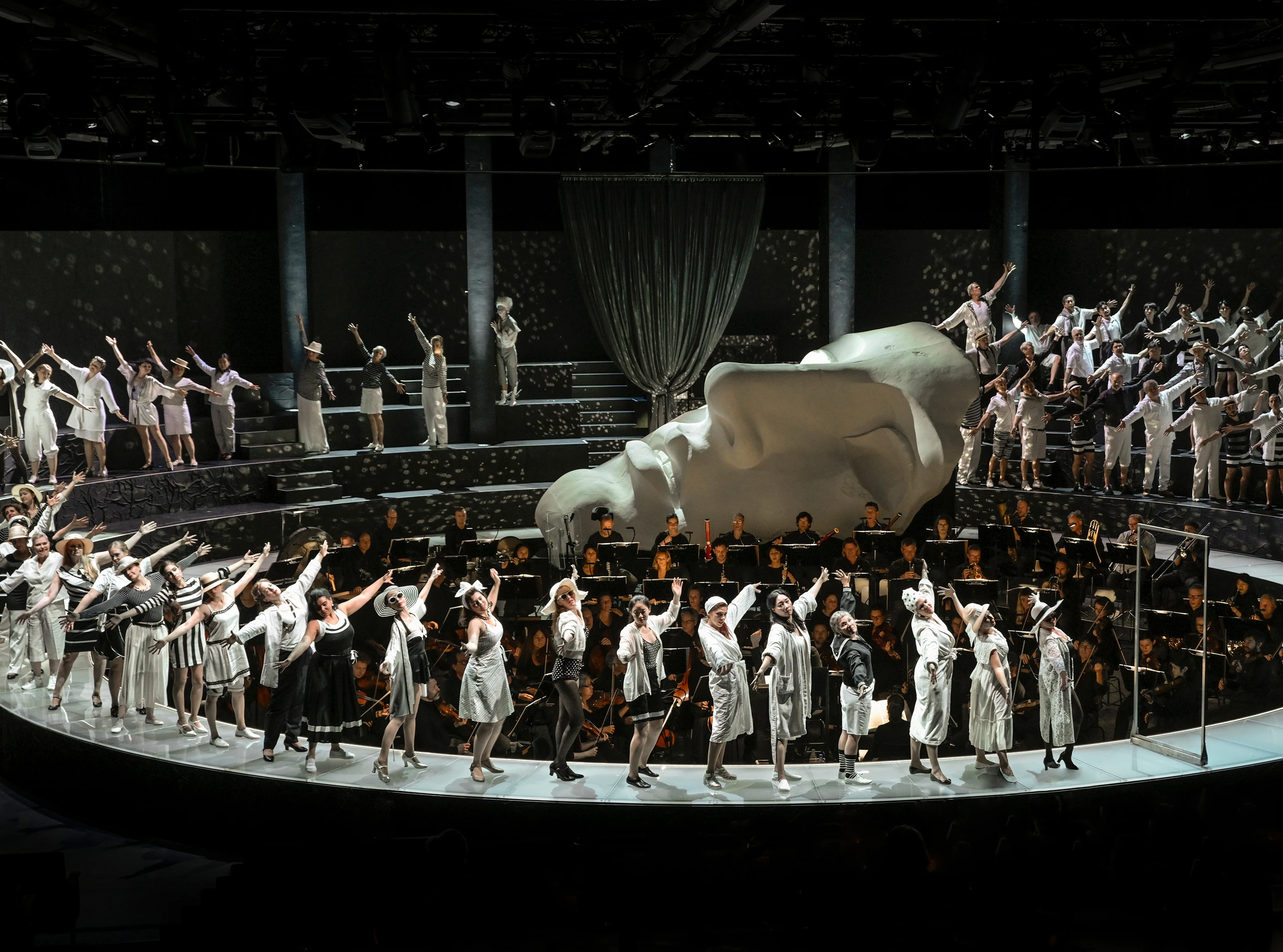
The appeal of Germany's cultural attractions lies partly in their sheer variety and geographic spread. You can spend a morning wandering through a baroque palace, an afternoon in a cutting-edge art museum, and an evening at a world-renowned opera house—often within the same region. Cologne Opera in North Rhine-Westphalia stands as a masterpiece of performance architecture, while Kunstmuseum Bochum showcases modern and contemporary art in thoughtfully curated galleries. Further south, Neuschwanstein Castle in Bavaria represents the Romantic ideal of medieval fantasy, drawing visitors into a landscape of peaks and forests. The Frankfurter Börse and Skyline in Hesse captures a different kind of cultural story—one of commerce, modernity, and urban development that has shaped contemporary Germany.
Industrial heritage and archaeology add another dimension to the country's cultural narrative. Textilfabrik Cromford in Ratingen preserves the legacy of early industrial manufacturing, offering insight into how factories and worker communities functioned during the Industrial Revolution. Oppidum Steinsburg in Thuringia takes you further back still, to a pre-Roman Celtic hillfort that illuminates the region's ancient past. These sites remind visitors that culture encompasses far more than fine art and performance; it includes the material lives, skills, and social structures of ordinary people across millennia.
Germany's cultural institutions are generally well-organized, accessible, and often housed in buildings that are themselves works of art or historical significance. Major cities like Cologne, Frankfurt, and Bochum have invested heavily in preserving and presenting their heritage. The spread of attractions across different regions means you can tailor a visit to your interests—pursuing Renaissance palaces in one state, industrial archaeology in another, or a combination of both. Spring through autumn are typically ideal visiting seasons, offering pleasant weather and full operating hours for museums and historic sites. Whether you're a history enthusiast, art lover, architecture buff, or simply curious about how Germans have lived, worked, created, and commemorated their past, these destinations offer genuine substance and reward sustained attention.
Questions people ask
What kinds of cultural attractions can I find across Germany?
Germany offers a remarkably diverse range: world-class art museums like Kunstmuseum Bochum, historic opera houses such as Cologne Opera, fairy-tale castles like Neuschwanstein, pre-Roman archaeological sites including Oppidum Steinsburg, industrial heritage locations like Textilfabrik Cromford, and iconic urban landmarks such as the Frankfurter Börse and Skyline. This variety means you can explore ancient Celtic settlements, Renaissance and baroque architecture, industrial heritage, contemporary art, and performing arts all within one country.
Are these attractions spread across different regions of Germany?
Yes. The eight cultural attractions span multiple states: North Rhine-Westphalia (home to Cologne Opera, Kunstmuseum Bochum, and Textilfabrik Cromford), Bavaria (Neuschwanstein Castle), Hesse (Frankfurter Börse and Skyline), and Thuringia (Oppidum Steinsburg). This geographic variety means you can plan regional tours focusing on specific interests or combine visits across states for a broader cultural journey.
What is Textilfabrik Cromford and why visit?
Textilfabrik Cromford in Ratingen is a preserved industrial heritage site that documents early manufacturing and factory life during the Industrial Revolution. It offers tangible insight into how textile production shaped communities and working conditions, making it invaluable for anyone interested in social history, industrial archaeology, or how ordinary people lived and worked during Germany's industrial transformation.
What should I know about visiting castles like Neuschwanstein?
Neuschwanstein Castle in Bavaria is an iconic Romantic-era castle set dramatically in Alpine mountain scenery. It represents a specific era of German cultural ideals about the medieval past. These castle visits typically involve scenic location settings that enhance the experience, and they attract both architecture enthusiasts and those interested in 19th-century Romantic movement aesthetics and royal history.
When is the best time to visit Germany's cultural attractions?
Spring through autumn generally offer the most favorable conditions, with pleasant weather and full operating hours for museums, galleries, historic sites, and castles. During these seasons you'll have better access to outdoor archaeological sites like Oppidum Steinsburg and enjoy the landscapes surrounding places like Neuschwanstein. Winter can be atmospheric but may have reduced hours or closures at some locations.