

🌦️ 13°
Guide


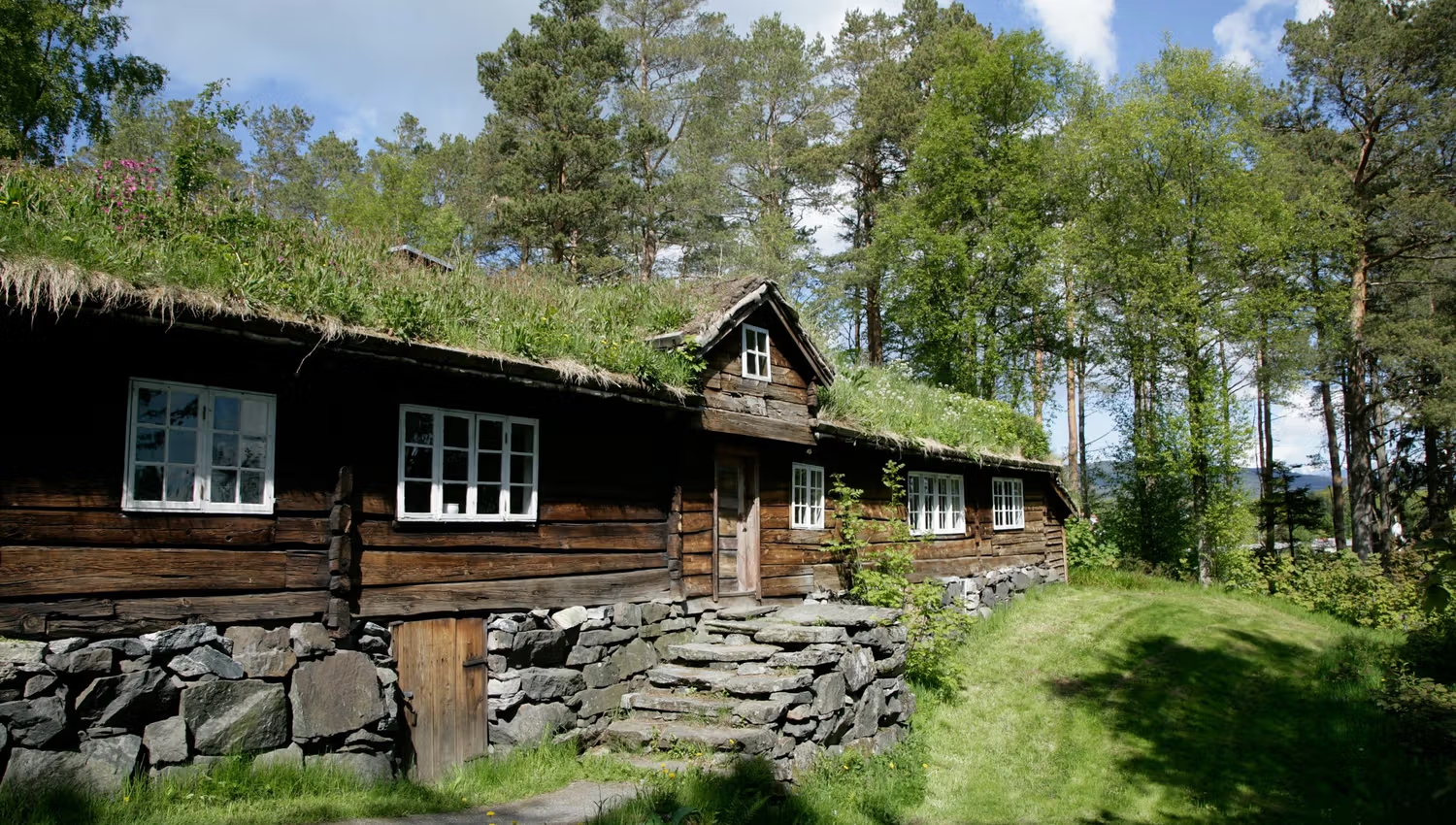


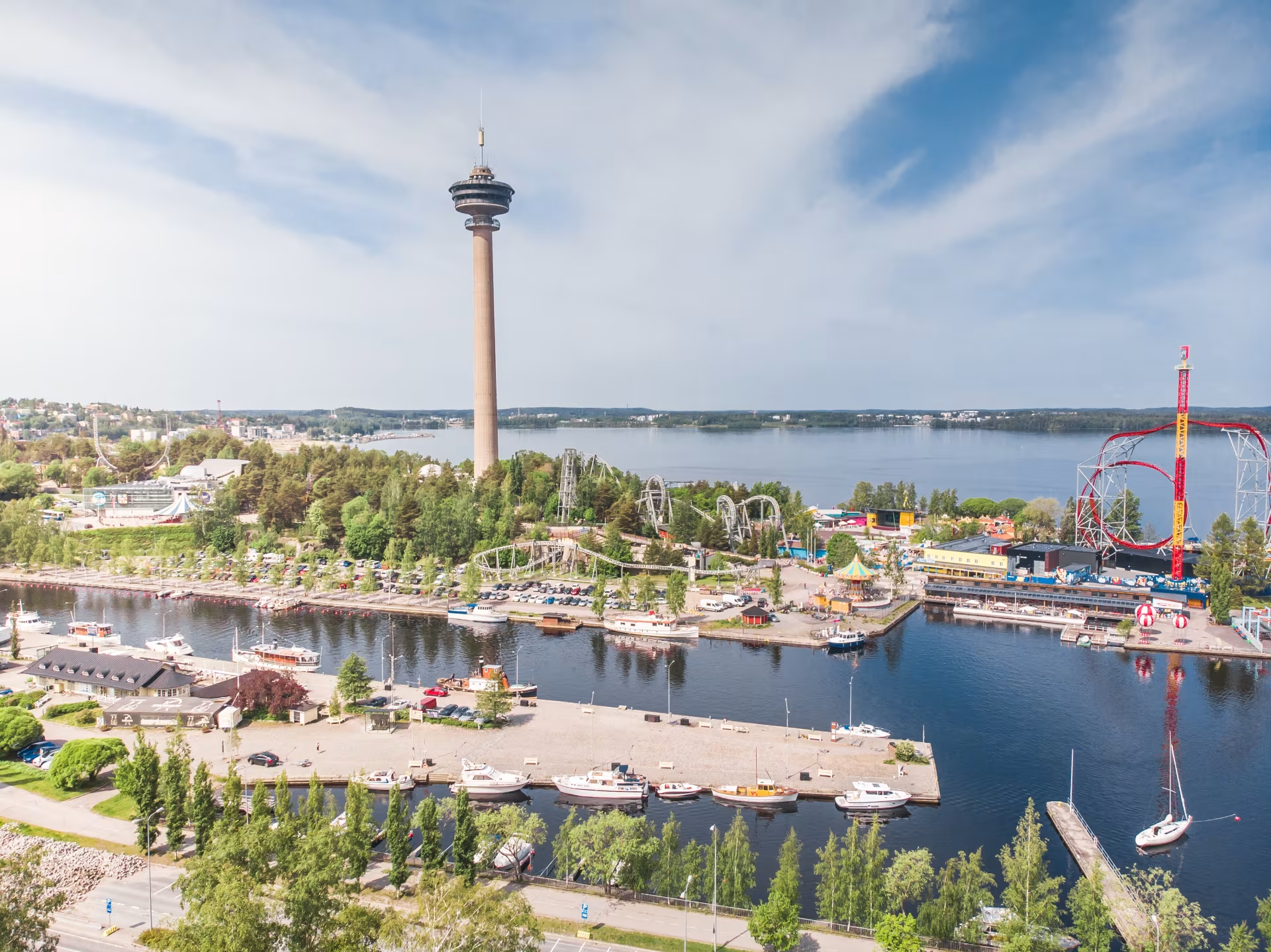
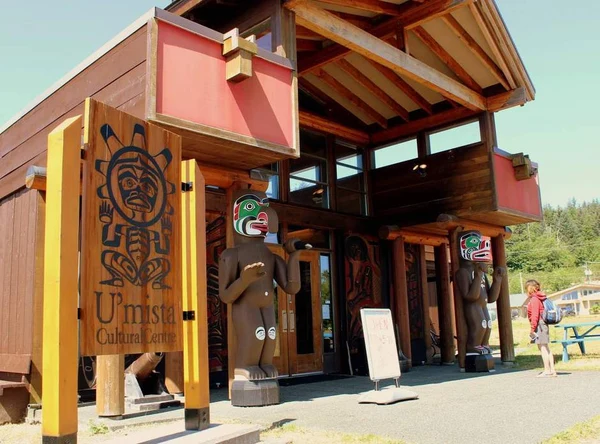

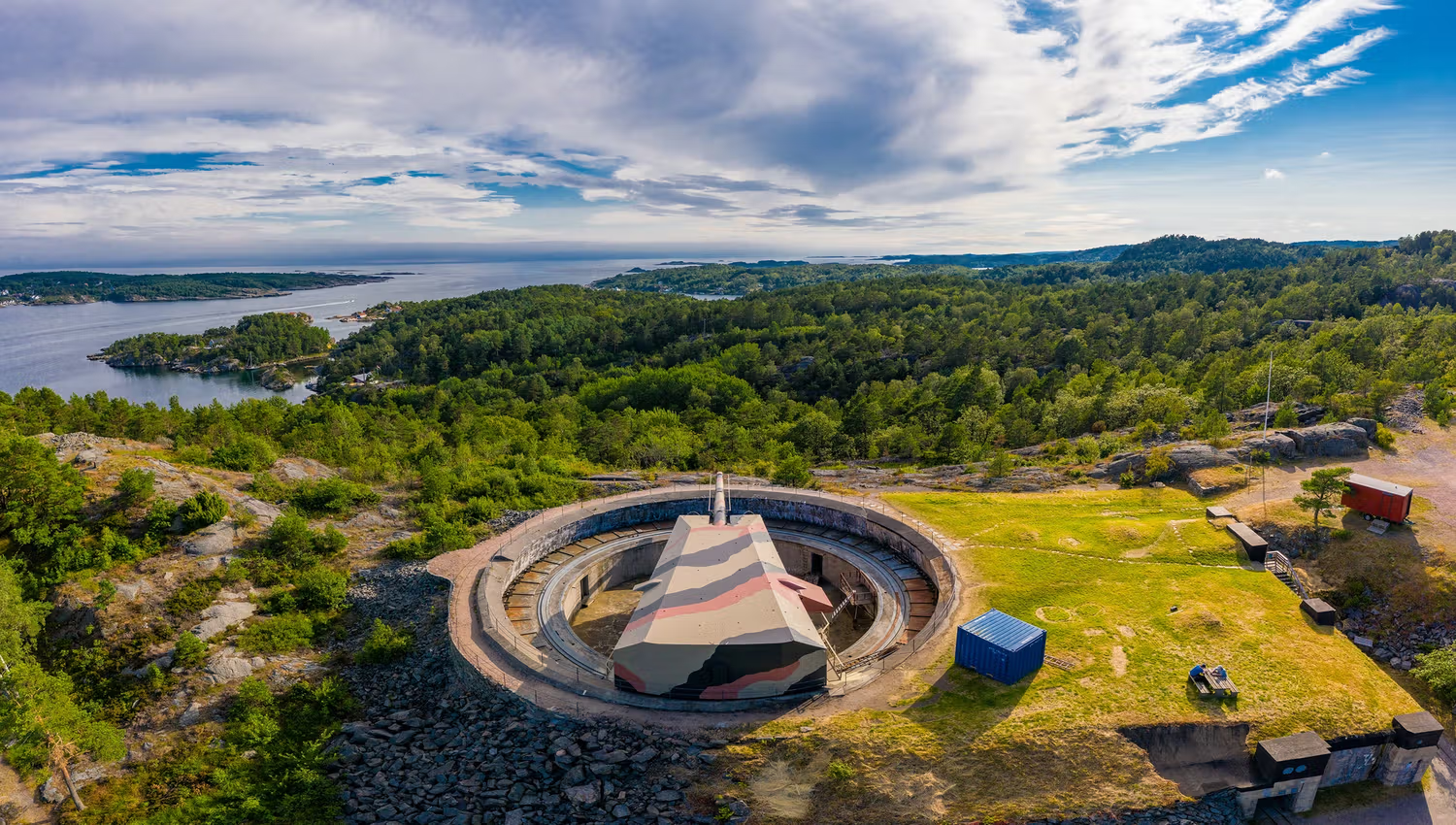
Museums offer far more than dusty displays behind glass. The best ones transport you into another world—whether you're walking through a reconstructed famine village on the Irish coast, exploring cutting-edge contemporary art in Austria, or stepping into a Wild West frontier town in rural Sweden. A museum visit works as a full day out because these spaces are designed not just to show you something, but to let you experience it, often combining architecture, landscape, and immersive storytelling that lingers long after you leave.
Europe's museum scene is remarkably diverse. You might find yourself in Salzburg at a sleek modern art museum housed in a striking contemporary building, or in the Swedish countryside at Wanås Konst, where art installations meet forest and open fields. Some museums are housed in purpose-built venues; others occupy converted industrial spaces, hilltop locations, or reconstructed historical sites that blur the line between museum and living history. This variety means there's something for nearly every interest and mood—whether you want intellectual challenge, aesthetic beauty, historical depth, or simply an unusual way to spend an afternoon.
The experience of visiting often depends on what you seek. Some visitors come for quiet contemplation and visual discovery; others want narrative and context. Many museums now design their spaces to be walkable, photogenic, and engaging rather than exhausting. Opening hours and seasons vary considerably across Europe, so it's worth checking ahead, especially for smaller or rural museums. Spring through autumn typically offers the best conditions for visiting, though many stay open year-round. A museum day suits anyone from curious solo travellers to families and art enthusiasts—no special skills required, just genuine interest in seeing something worth the visit.
This collection features diverse museums across Europe, including contemporary art museums like Kunsthaus Graz in Austria and Museum der Moderne Salzburg, art and nature sites like Wanås Konst in Sweden, historical reconstructions such as Doagh Famine Village in Ireland, and unique attractions like High Chaparral, a Wild West-themed museum in Jonkoping, Sweden. Each offers a distinct experience rather than a standard gallery setup.
Many are, though it depends on the specific venue and your child's age. Historical and outdoor-based museums like Doagh Famine Village and High Chaparral tend to appeal well to younger visitors. Art-focused museums work best with older children or those with established interests. Check individual opening hours and facilities before visiting with young children.
Spring through autumn generally offers the most pleasant visiting conditions across Europe, and rural or outdoor-based museums are particularly enjoyable in good weather. However, many stay open year-round. Quieter winter months can offer a more contemplative experience, though some smaller venues may have reduced hours or seasonal closures—always confirm ahead of your visit.
Booking policies vary by museum. Smaller or rural venues often accept walk-ups, while larger contemporary art museums in cities may benefit from advance booking, especially during peak season. Checking the specific museum's website before your visit is the best way to avoid disappointment or queues.
We use necessary cookies to run the site, and — only with your consent — optional cookies for analytics and, in future, advertising. See our Cookie Policy and Privacy Policy.