

Guide
Days Out in New Zealand

Free

Free

Free
Free

Free

Free
About Days Out in New Zealand
New Zealand is a country defined by landscape that shifts dramatically from one region to the next, making it an exceptional destination for days out that feel genuinely remote and untamed. Whether you're drawn to vast fjords, underground cave systems lit by bioluminescent glowworms, or crystalline alpine lakes surrounded by mountain ranges, the country delivers experiences that are difficult to match elsewhere. The appeal lies not just in individual attractions but in the ease of accessing wilderness that feels immediate and unmediated—you can move from dense native bush to pristine waterways to limestone caverns within hours, and each environment rewards close exploration.
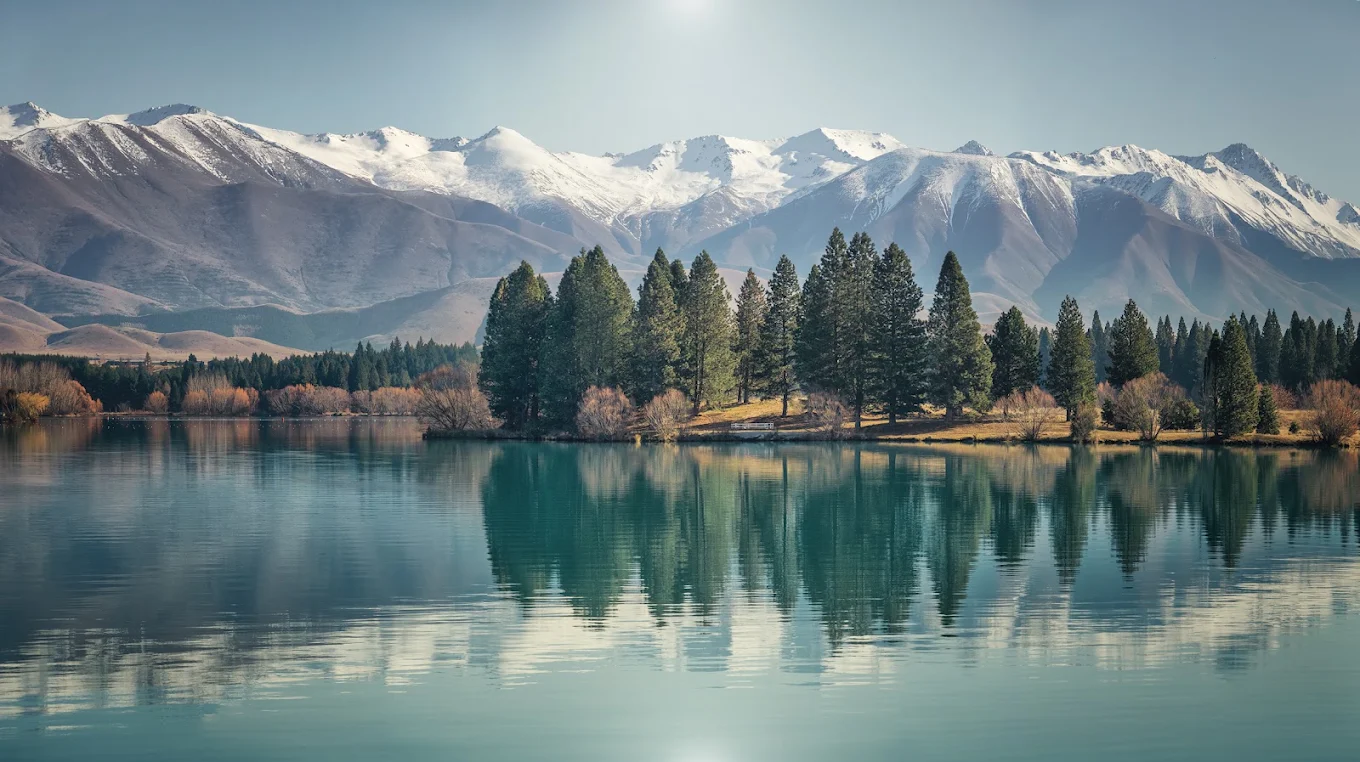
The South Island holds some of New Zealand's most iconic day-trip destinations. Milford Sound, known locally as the Land of a Thousand Waterfalls, is a study in sculptural geology and raw natural drama; the sheer scale of the fjord, with its steep cliffs and cascading water, creates an atmosphere that photographs struggle to capture. Hokitika Gorge offers a different kind of spectacle—a deep, narrow ravine carved by the Hokitika River, where the water clarity and the surrounding native forest create a pocket of intense beauty on the West Coast. Lake Ruataniwha near Twizel is a quieter option, ideal for those seeking alpine reflection and mountain backdrop without the crowds.
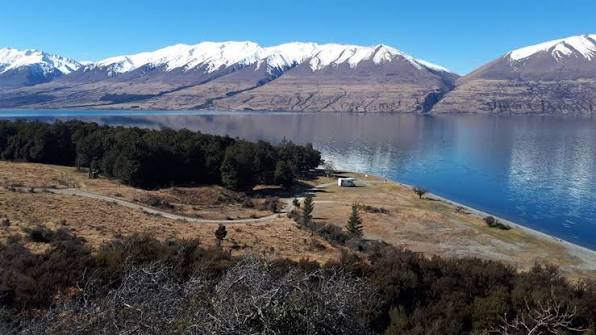
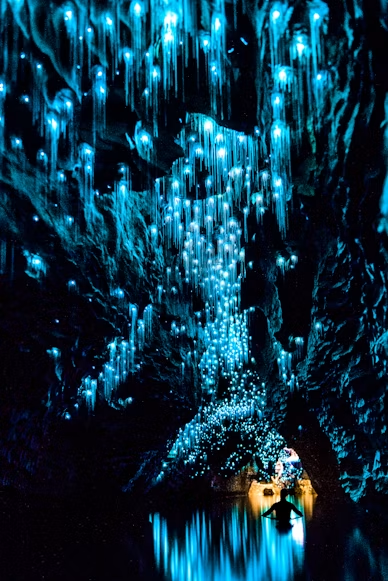
In the North Island, the Waitomo Glowworm Caves present an entirely different experience: exploring underground limestone passages illuminated by thousands of tiny glowworms suspended from the cave ceiling. It's an intimate, almost otherworldly encounter with nature, and the experience is both accessible and genuinely memorable for visitors of all ages. Round Bush Campsite at Lake Ohau in Canterbury offers more flexibility—a base from which to explore the surrounding mountains and lakeside landscape at your own pace, whether you're walking, camping, or simply watching the alpine light change across the water.
Visiting these destinations is best planned with an understanding that New Zealand's landscape can be dramatic and conditions can change quickly. Most of these day-out locations are accessible year-round, though weather in the South Island mountains can be variable. The experience of being in these places is quiet, often immersive, and tends to reward those who build in time rather than rushing through. Whether you're a keen walker, a casual tourist, or someone seeking tranquility in natural surroundings, New Zealand's day-out destinations offer genuine variety and the kind of scenery that justifies the journey to reach them.
Questions people ask
What's the best time of year to visit these New Zealand destinations?
These locations are accessible year-round, but conditions vary by region and season. The South Island fjords and alpine areas can experience sudden weather changes, so visiting during summer months (December to February) generally offers more stable conditions. The North Island's Waitomo Caves remain pleasant throughout the year since they stay at a consistent temperature underground.
How far apart are these destinations, and can I visit multiple in one trip?
New Zealand's attractions are spread across both islands, so visiting multiple in a single day isn't realistic. However, many can be reached within a few hours' drive from major towns. Hokitika Gorge and Milford Sound are both on the South Island; Waitomo Caves and Round Bush/Lake Ruataniwha can anchor separate days or multi-day trips depending on your route.
Do I need special equipment or experience to visit these places?
Most of these destinations are accessible to general visitors. The Waitomo Glowworm Caves have guided tours suitable for all fitness levels. Hokitika Gorge and the lakes can be enjoyed casually or with more active walking. For Milford Sound and more remote alpine areas like Lake Ruataniwha, basic fitness and appropriate weather-appropriate clothing are recommended.
What makes New Zealand's natural attractions distinctive?
New Zealand's isolation as an island nation has created unique ecosystems and dramatic geology. The combination of fjords, glowworm caves, and alpine lakes all within accessible reach is rare globally. Many destinations here feel genuinely remote while remaining reachable, offering that balance between adventure and accessibility.
Are these places crowded, or can I expect quieter experiences?
These vary in popularity. Milford Sound and Waitomo Caves attract visitors, so early visits or off-season trips tend to be quieter. Hokitika Gorge, Round Bush Campsite, and Lake Ruataniwha typically see fewer crowds and offer more solitude for those seeking a more intimate experience with the landscape.