

Free
Guide




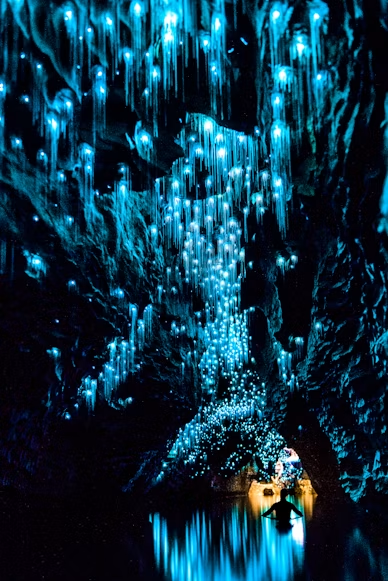
New Zealand is one of the world's most spectacular destinations for outdoor adventures, where dramatic landscapes and pristine wilderness define the experience. From the North Island's geothermal wonders to the South Island's towering fjords, the country offers an extraordinary range of natural attractions that cater to every type of traveler—whether you're seeking adrenaline-fueled activities, peaceful lakeside retreats, or intimate encounters with unique ecosystems. The diversity is remarkable: underground worlds glowing with native glowworms, turquoise lakes nestled in mountain valleys, roaring waterfalls hidden within ancient rainforests, and campgrounds that put you directly in nature's heart. This is a country shaped by dramatic geological forces, where you can experience everything from subtropical warmth in the north to alpine conditions in the south, often within a few hours' drive.
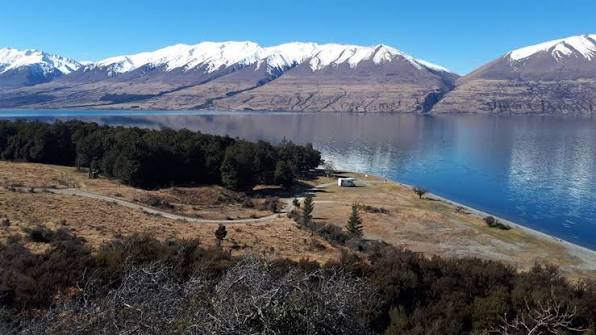
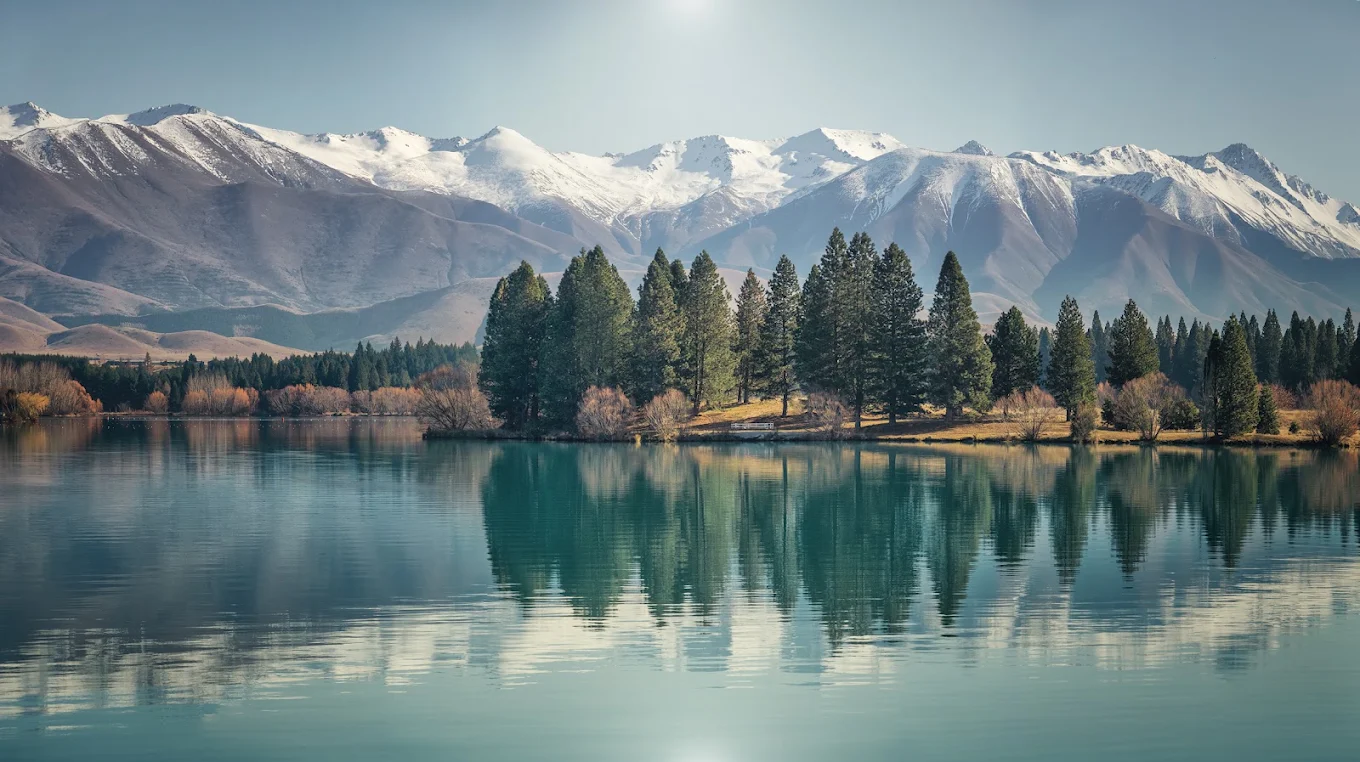
What makes New Zealand's outdoor scene genuinely special is the accessibility combined with authenticity. Many of the most breathtaking experiences require minimal equipment or extreme fitness—a walk through Hokitika Gorge on the West Coast reveals fern-draped cliffs and emerald river pools without demanding mountaineering skills. Similarly, a boat ride into Milford Sound from Te Anau delivers some of New Zealand's most iconic scenery: towering waterfalls, rainforest-clad peaks, and the raw power of a fjord carved by ancient glaciers. Even quieter pursuits—camping beside Lake Ruataniwha in Canterbury or exploring Round Bush Campsite near Lake Ohau—offer that rare combination of solitude and stunning surroundings that makes New Zealand feel genuinely remote, even when facilities are nearby.
The country's outdoor culture runs deep and practical. Trails are well-maintained and clearly marked, facilities are generally excellent, and the Kiwi approach to conservation means many areas feel untouched despite their popularity. Weather can be variable and change rapidly, particularly in mountainous regions, so timing your visit and checking conditions beforehand matters. Spring (September to November) and autumn (March to May) offer the most stable weather and comfortable temperatures for walking and exploring. Summer (December to February) brings warmth and longer daylight hours but also higher visitor numbers and occasional extreme heat in some regions. Winter is quieter and stunning for those prepared for cold and possible snow, though some higher-altitude activities may be restricted.
New Zealand works brilliantly for solo travelers, families, and groups alike. Whether you're planning a short day trip from a nearby town or building an entire trip around outdoor exploration, the country rewards both spontaneity and careful planning. Many attractions are accessible year-round, though seasonal conditions—snow in winter, rain in spring—shape the experience. The landscape changes so dramatically between regions that you can genuinely feel you've traveled to different worlds by simply moving from one coast to another, making it easy to craft a varied itinerary that never feels repetitive.
Milford Sound is a dramatic fjord in Southland, known as the Land of a Thousand Waterfalls for its cascading waterfalls that tumble directly into the sea. The landscape features rainforest-covered peaks, sheer cliffs, and emerald-blue water best experienced by boat from Te Anau, making it one of New Zealand's most iconic natural wonders and a UNESCO World Heritage site.
Waitomo Glowworm Caves are typically visited with guided tours that take you underground to see native glowworms (actually insect larvae) illuminating the cave ceiling like stars. Tours vary in intensity from easy boat rides through cave systems to more adventurous caving experiences, and booking in advance is recommended to secure your preferred experience.
Both sites offer direct access to pristine lakes in the Canterbury region with mountain scenery and quieter outdoor experiences. Round Bush Campsite sits beside Lake Ohau while Lake Ruataniwha near Twizel provides a peaceful base for fishing, walking, and water activities, making them ideal for travelers seeking nature immersion without crowds.
Hokitika Gorge on the West Coast features a scenic walk through native beech forest and fern-covered gorge walls to view the emerald river below. It's a moderate day trip from Hokitika town that showcases the region's lush rainforest character and is accessible without requiring specialized mountaineering skills or equipment.
Spring (September-November) and autumn (March-May) offer the most stable weather and comfortable temperatures for outdoor activities. Summer (December-February) provides warmth and long daylight hours but brings higher crowds, while winter is quieter but requires more preparation and weather awareness.
We use necessary cookies to run the site, and — only with your consent — optional cookies for analytics and, in future, advertising. See our Cookie Policy and Privacy Policy.