
Free
☁️ 3°
Guide



.jpg)

Norway is a country of extraordinary contrasts, where history whispers through restored fortifications and dramatic mountain scenery commands your full attention at nearly every turn. Whether you're standing on a windswept peak in the far north or gazing across emerald fjords from a coastal viewpoint, days out here feel genuinely removed from the everyday. The landscape ranges from imposing Alpine terrain to intimate valleys carved by ancient glaciers, and Norway's accessibility means you can move between vastly different experiences in a single trip.
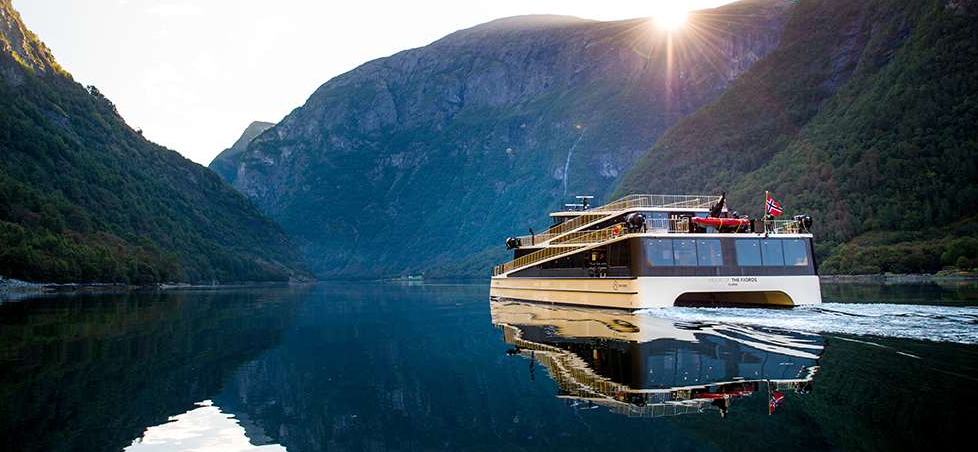
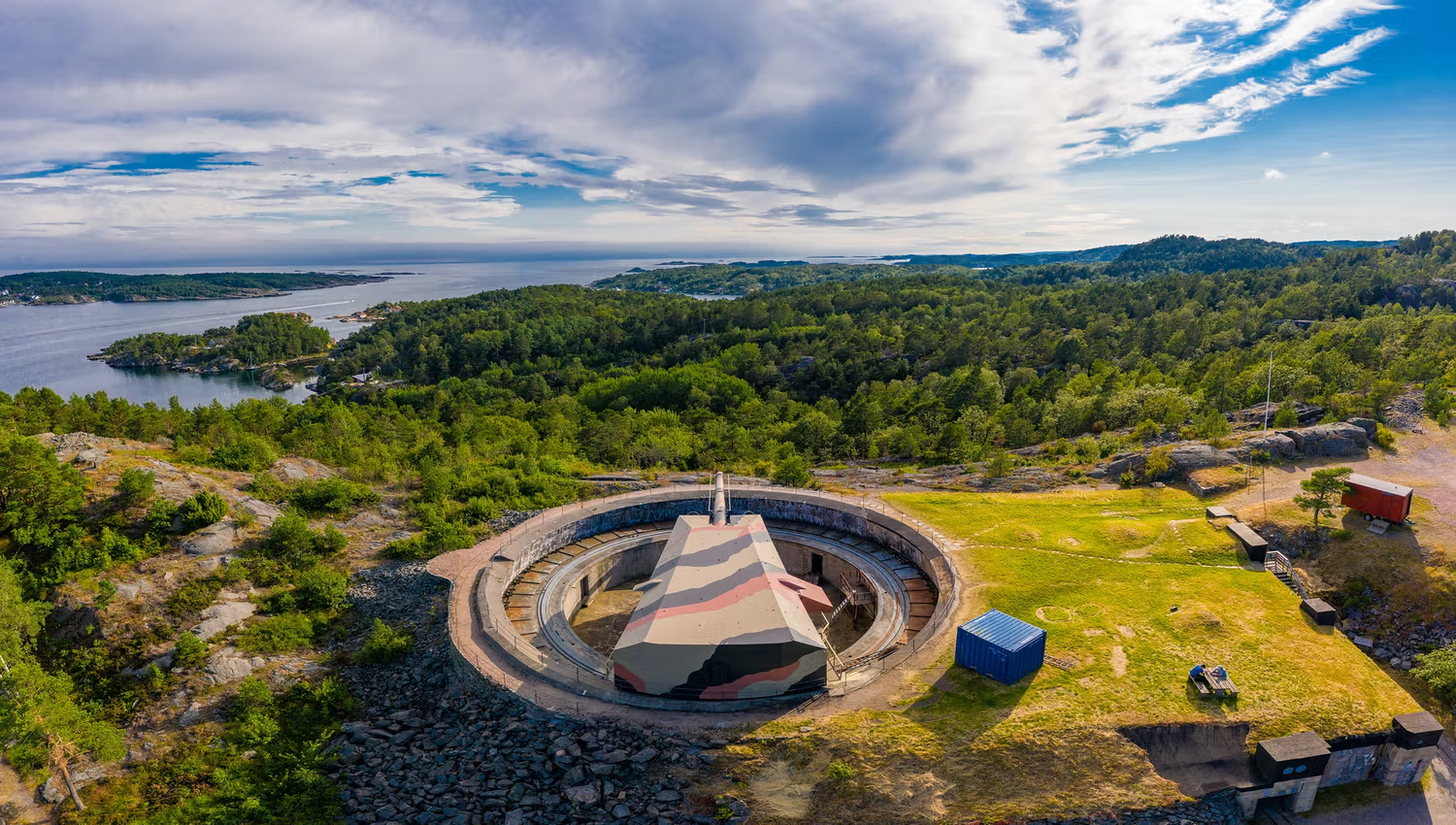
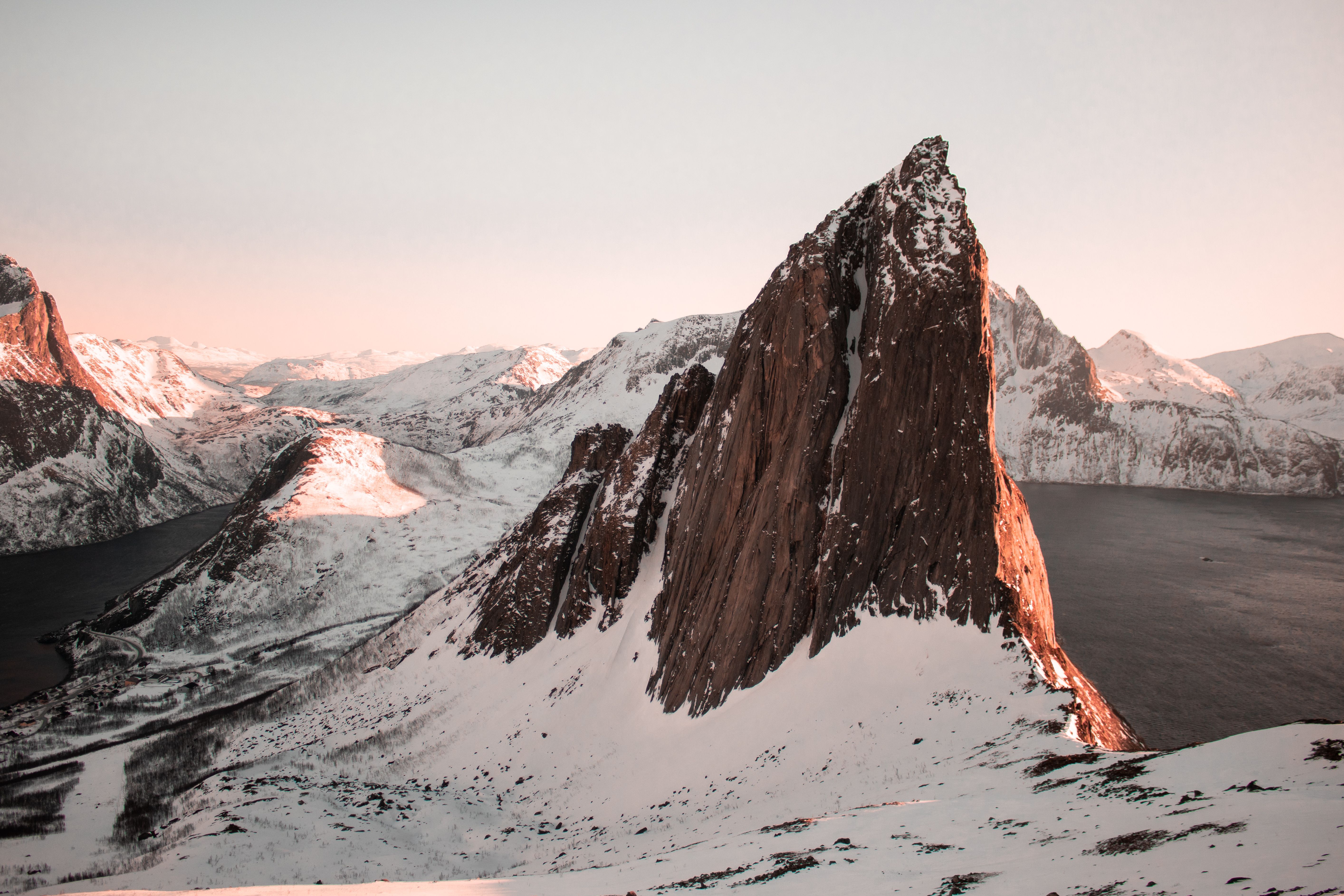
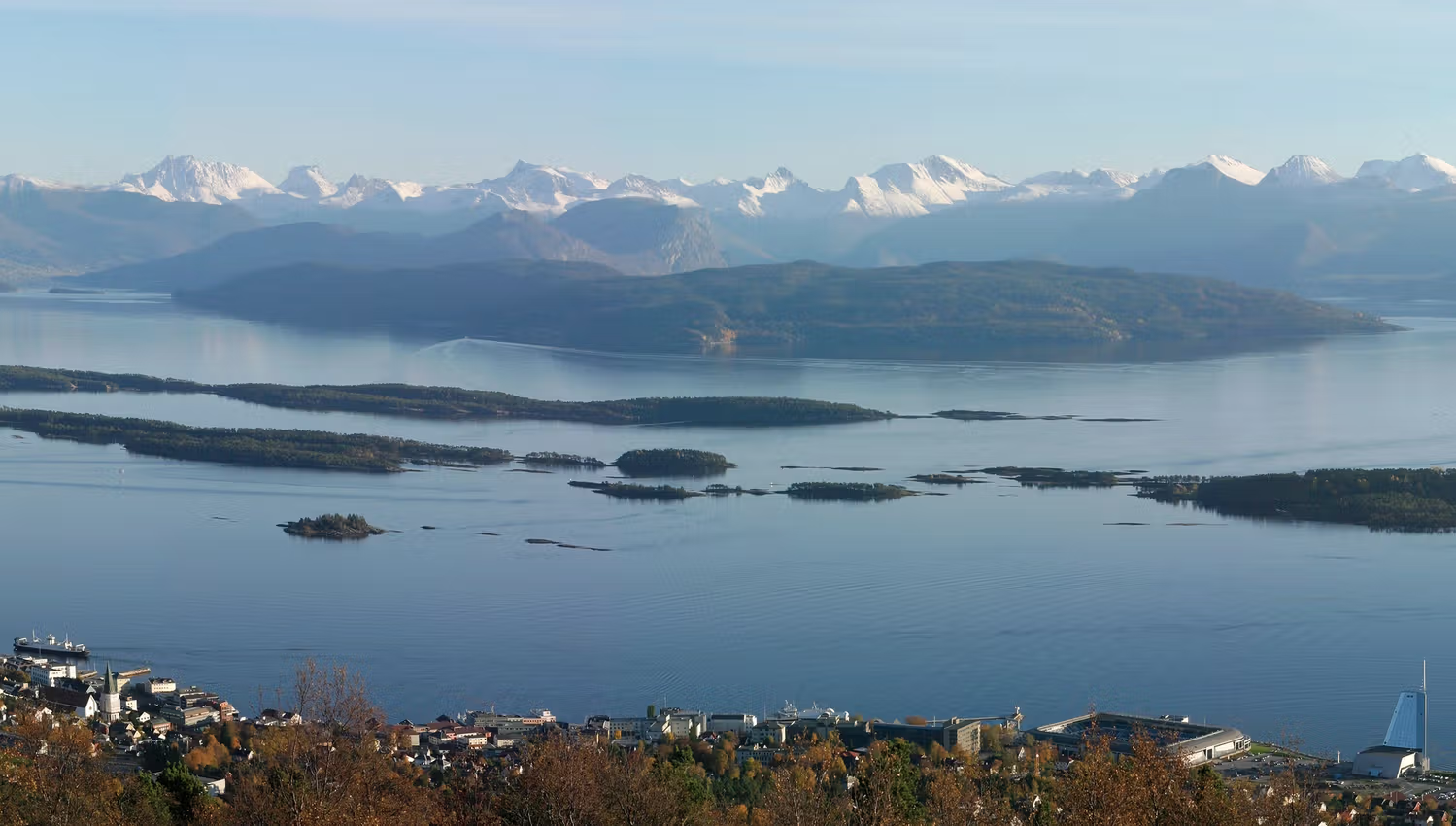
The country's geography naturally divides itself: the far north offers Alpine ridges and dramatic summits like the Lyngen Alps and Segla Peak, where the raw intensity of the mountain environment creates a sense of real adventure even on well-trodden paths. Moving south, the fjord regions around Molde showcase the gentler but no less beautiful interplay of water, rock and sky that makes Norway's coastal areas so distinctive. Between these extremes lie quirky, smaller attractions—a cannon museum in Kristiansand and an unexpected marble castle ruin in Rana—that give shape to the country beyond its famous natural wonders.
Timing your visit matters. Summer (June to August) brings long daylight hours, snow-free mountain trails and warm enough weather for serious hiking, though popular spots fill with visitors. Winter transforms the landscape entirely, particularly in the north where the Lyngen Alps become a different beast entirely and the chance of northern lights adds another dimension. Spring and autumn offer quieter alternatives, though weather becomes more variable and daylight shorter as autumn deepens.
Norway suits visitors who genuinely enjoy being outdoors and don't mind effort to reach the best viewpoints. Reinebringen rewards climbers with views over the distinctive village of Reine and its surrounding peaks, while the Varden Viewpoint near Molde requires only a straightforward climb to deliver panoramic fjord scenery. These aren't extreme challenges, but they do demand a reasonable level of fitness and proper footwear. Even the quieter, more accessible sites—like wandering around Marmorslottet or exploring Kristiansand's cannon museum—carry the particular Nordic atmosphere of thoughtful curation and genuine connection to place that characterizes the best Norwegian attractions.
Summer, from June through August, offers the most reliable weather, snow-free mountain trails and long daylight hours—essential for places like Reinebringen and the Lyngen Alps. Winter is spectacular if you're prepared for serious cold and snow, particularly in the north, but spring and autumn are quieter alternatives with fewer crowds, though daylight becomes more limited as you move toward winter.
Yes, though the country's most celebrated attractions centre on natural landscape. Kristiansand Kanonmuseum offers a historical perspective on coastal defence, while Marmorslottet in Rana provides an unusual architectural curiosity. The Molde Fjords & Varden Viewpoint experience blends scenery with a manageable viewpoint walk, making it accessible to those who prefer less strenuous outings.
Both are serious mountain experiences requiring proper preparation, fit legs and appropriate gear, but they are not technical climbs requiring ropes or specialist equipment. Reinebringen is steep and sustained; Segla is remote and exposed. Neither is a casual stroll, and underestimating Norwegian mountain conditions can turn a day out dangerous. Go prepared and honestly assess your fitness.
Both sit in Norway's far north, where the Alpine terrain is genuinely dramatic and the sense of wildness intensifies. The Lyngen Alps offer sustained high terrain and multiple peak options; Segla Peak on Senja presents an isolated, exposed summit with distinctive views. The north's latitude means very different light and weather patterns compared to southern Norway, and in winter, the chance of northern lights adds another compelling reason to visit.
We use necessary cookies to run the site, and — only with your consent — optional cookies for analytics and, in future, advertising. See our Cookie Policy and Privacy Policy.