

Free
Guide


.jpg)

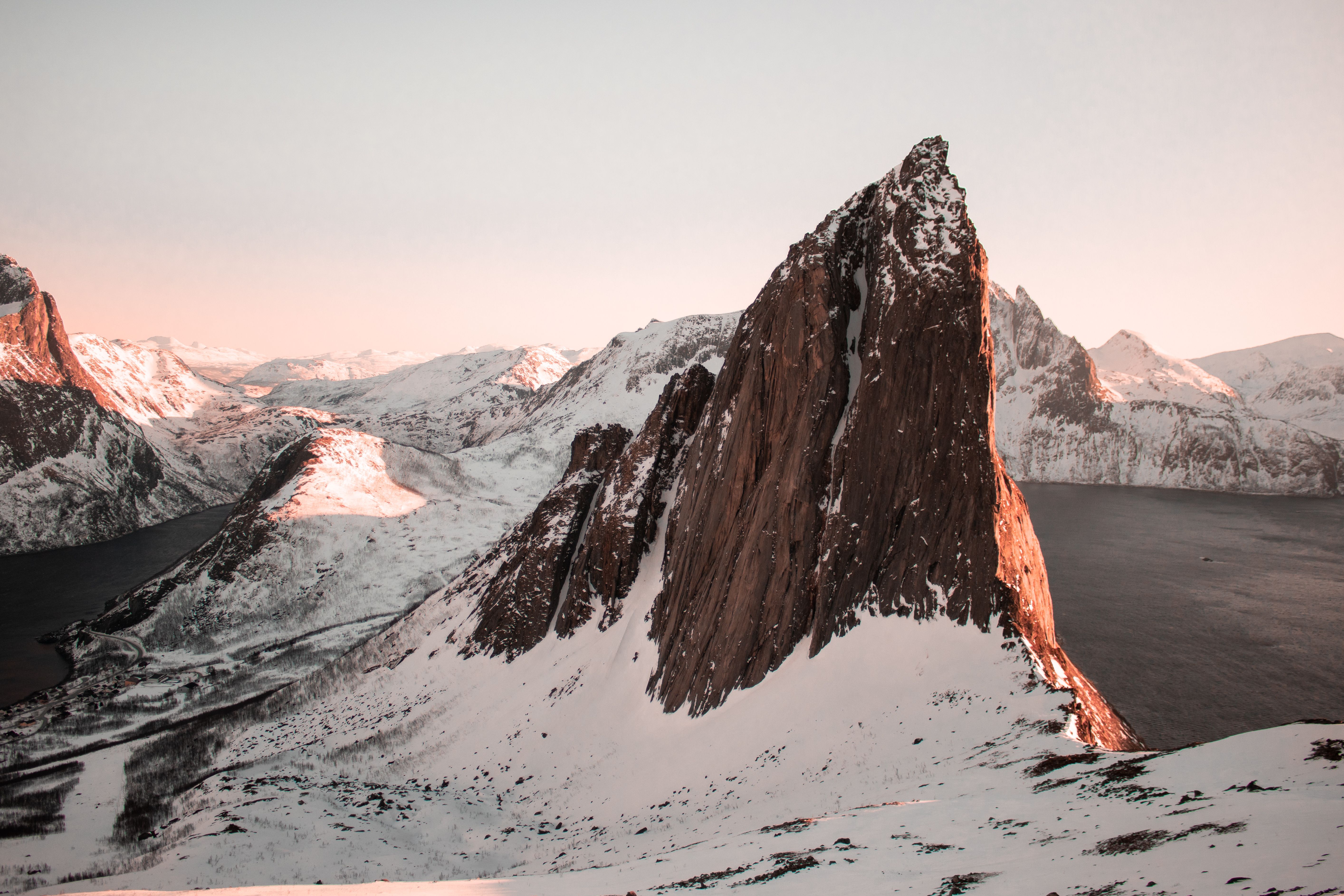
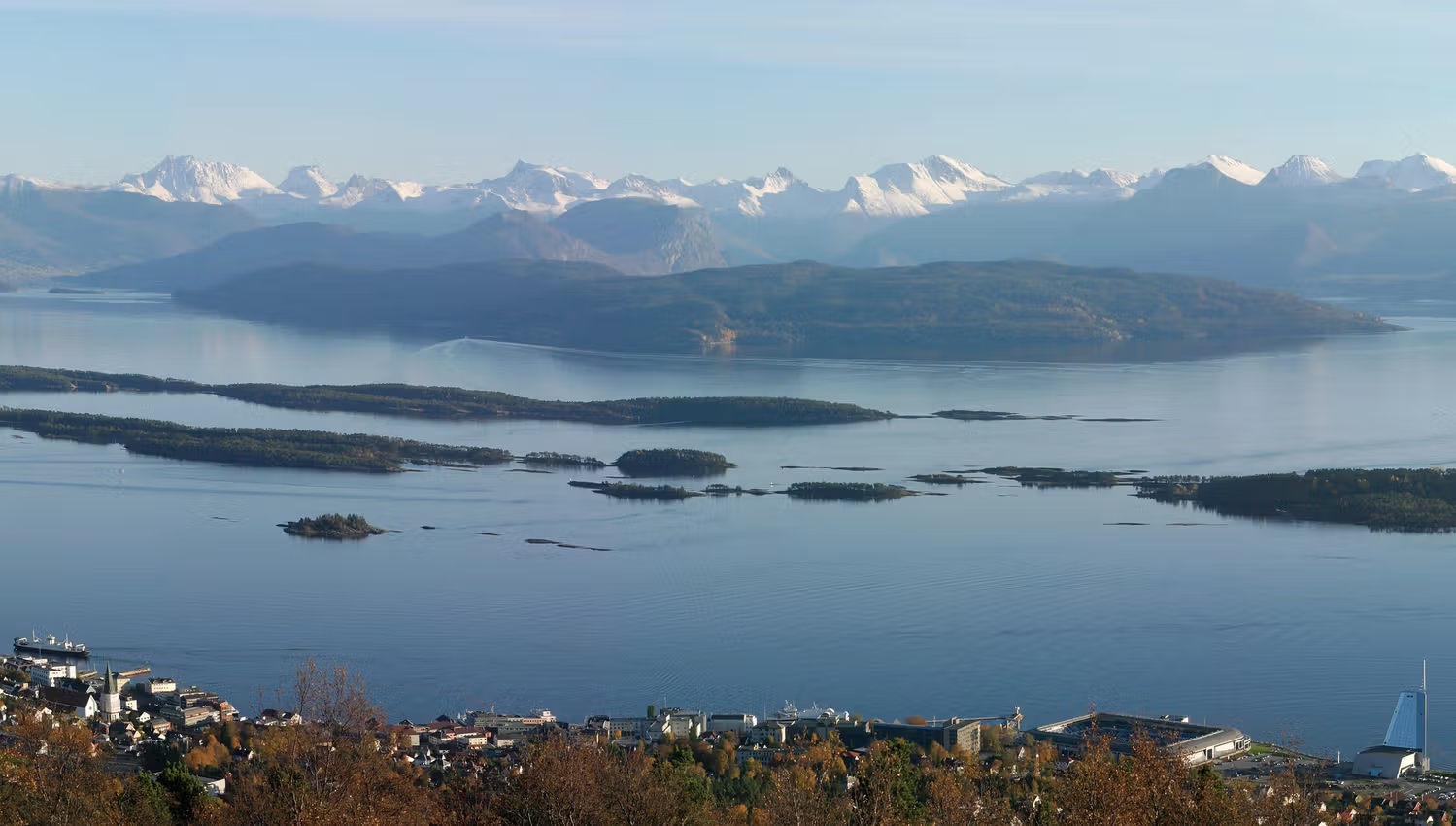
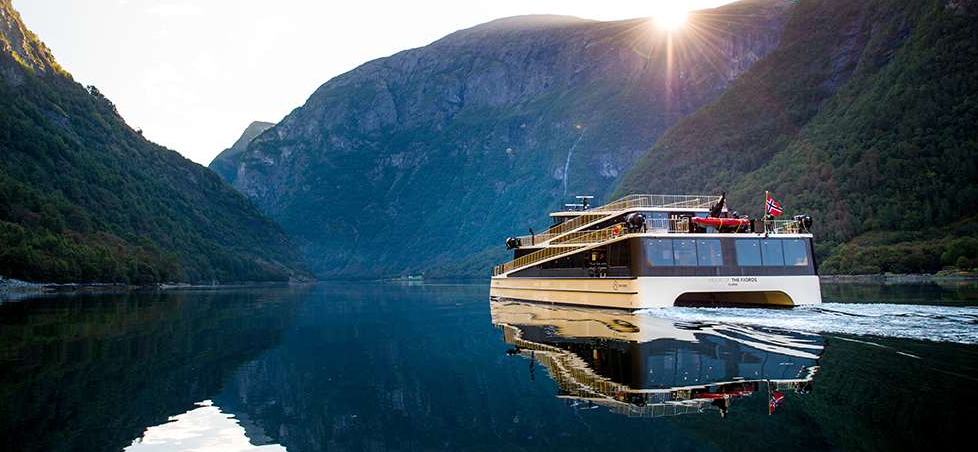
Norway is a landscape designed for those who crave wild, untamed scenery. From the Lyngen Alps in the far north, where jagged peaks pierce Arctic skies, to the intricate waterways of the Molde Fjords in the west, the country offers some of Europe's most dramatic outdoor experiences. What makes Norwegian nature distinctive isn't just the scale—though the mountains, fjords, and valleys are genuinely vast—but the accessibility. These are places where serious wilderness feels remarkably close to everyday life, and many of the most breathtaking views come not from multi-week expeditions but from single-day walks and climbs that reward effort without demanding mountaineering expertise.
The northern regions hold some of the most striking peaks. Segla Peak on Senja rises with theatrical sharpness from the sea, while Reinebringen near Reine delivers one of Norway's most celebrated short hikes, with views that justify every step. Marmorslottet in Rana showcases a different kind of drama: a marble cathedral carved by nature itself. The Lyngen Alps offer serious terrain for those ready to climb higher, their ridges and cirques shaped by glaciation into forms that feel almost alien. Then there are the fjords, particularly around Molde, where water and mountain converge in ways that transform the landscape into something almost architectural in its perfection. Varden Viewpoint offers a vantage point across multiple fjords at once—a perspective that captures the scale of what makes Norway special.
Visiting these places means accepting Norway's climate and rhythm. The best time for most outdoor activity runs from late spring through early autumn, when snow clears from lower elevations and daylight stretches to extremes in the north. Winter transforms everything; trails become avalanche terrain or simply disappear under snow, but for those equipped to experience it, the Arctic light and silence have their own profound appeal. Summer brings near-constant daylight that lets you move through the landscape on your own schedule, though it also brings midges in some areas and crowds to the most famous viewpoints.
These destinations suit different appetites. If you want dramatic scenery without technical climbing, the fjord walks and established trails like Reinebringen work perfectly. If you're comfortable on steep terrain and reading mountain conditions, the Lyngen Alps and higher peaks reward exploration. The marble formations and geological wonders appeal to those curious about how landscape is actually made. What unites them all is that specifically Norwegian combination of wildness and accessibility—places where nature feels genuinely powerful, but where good planning and reasonable fitness get you there safely and memorably.
Late May through September is the optimal window for most outdoor activity. Snow clears from lower elevations by early summer, trails become safely passable, and daylight extends dramatically—in northern regions you'll experience the midnight sun. October onwards brings unpredictable snow and shorter days, though autumn light can be striking. Winter is possible for those with specific skills and equipment, but many paths and viewpoints become inaccessible.
No. Walks like Reinebringen and the Molde Fjords viewpoints are accessible to anyone with reasonable fitness and proper footwear; they're well-established paths. Peaks like Segla require more confidence on steep or exposed terrain but don't typically demand ropes or technical gear. The Lyngen Alps and higher alpine routes do expect mountaineering competence or a guide. Start with the lower trails to gauge your comfort, and hire a local guide if you're unsure about terrain.
All five locations are in northern and western Norway. Molde and Senja are accessible by road from cities like Trondheim. The Lyngen Alps near Tromsø require driving or flying to the north. Reine and Rana are remote but reachable by road or regional flights. Norway has excellent infrastructure, but distances are long; plan travel time generously and consider renting a car if visiting multiple spots.
Waterproof jacket and trousers are essential—weather changes rapidly. Layering is critical: temperatures drop with altitude and can shift through several seasons in a single day. Sturdy hiking boots with good grip, a map or GPS device, and a headtorch are practical necessities. Even in summer, carry spare layers and a windproof top. Many Norwegians hike in minimal gear, but being prepared prevents misery and risk, especially in exposed or remote areas.
Reinebringen and popular fjord viewpoints attract visitors in peak season, especially in July and August. Most trails don't require permits or advance booking, though accommodation in nearby towns fills up quickly in summer. Quieter experiences happen in shoulder seasons (June or September) or by visiting less-publicised routes. Marmorslottet, the Lyngen Alps, and more remote Senja trails see far fewer people year-round.
We use necessary cookies to run the site, and — only with your consent — optional cookies for analytics and, in future, advertising. See our Cookie Policy and Privacy Policy.