

Abandoned amusement park, Paranormal site, Historic landmark
Lake Shawnee Amusement Park
From USD 40 8
Guide


.jpg)

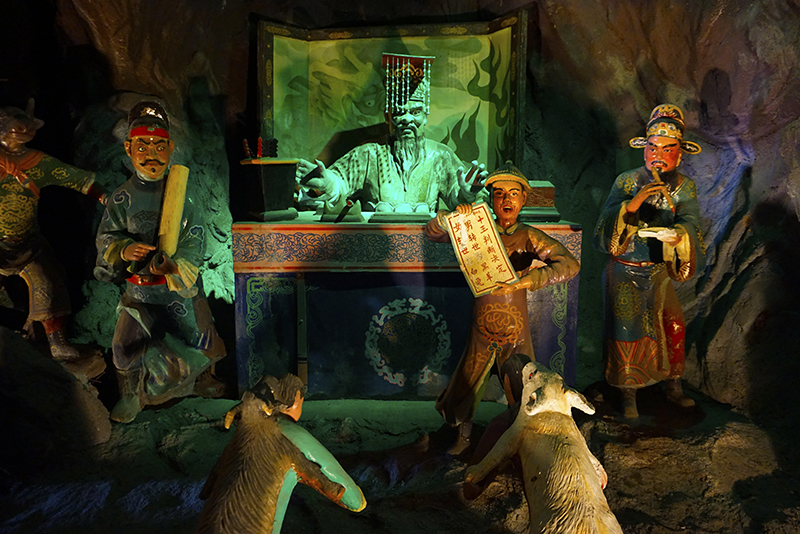
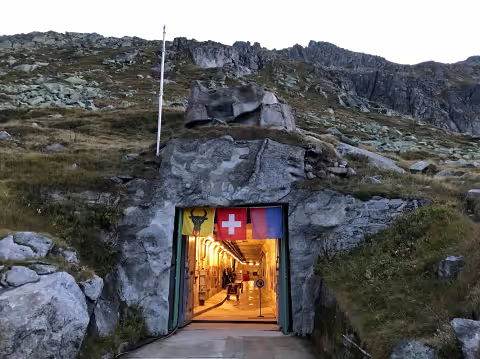


There's a particular thrill that comes from stepping into places where darkness—whether historical, architectural, or atmospheric—clings to the walls. Scary and horror attractions span far beyond theme park jump scares; they encompass genuinely unsettling historical sites, abandoned ruins thick with tragedy, and carefully curated experiences designed to unsettle and intrigue. These destinations appeal to different kinds of visitors: some seek the adrenaline rush of a manufactured fright, while others are drawn to the weight of real history and the stories embedded in a location's past.
What makes these attractions compelling is their variety. You might find yourself in a grand European crypt surrounded by the mortal remains of emperors and their families, a stark institutional building that speaks to darker chapters of human history, or an amusement park built atop ground with a genuinely troubled past. Each offers a different flavor of the macabre. Some are educational, shedding light on difficult historical periods; others play on atmosphere and architecture to create a sense of unease. The experience of visiting these places is often quieter and more contemplative than you might expect—there's less screaming and more reflection, though that depends entirely on what you choose.
Choosing between scary attractions means thinking about what draws you: Do you want historical darkness or theatrical thrills? Are you interested in learning about real events, or do you prefer the controlled artifice of a haunted house? Some locations blend both, combining genuine history with modern interpretation. The mood and intensity vary dramatically too. A ruined fortress on a hilltop offers a different experience from an indoor attraction, and both differ from visiting a museum-style memorial dedicated to understanding tragedy.
Timing matters when visiting these places. Many historical sites are best explored during daylight hours, when you can read plaques, take photographs, and absorb the details—the darkness is psychological rather than literal. Others actively encourage evening visits to amplify the atmosphere. Weather plays a role too; a grey, drizzly day can heighten the mood of a desolate ruin, while bright sunshine might feel incongruous at a solemn memorial site. Crowds vary seasonally, and some visitors prefer the solitude of off-peak times, while others appreciate having fellow visitors to share the experience with.
These attractions aren't for everyone, and that's perfectly fine. They require a certain mindset: a willingness to confront discomfort, an interest in the uncomfortable aspects of history, or simply a taste for the unconventional day out. They can feel intense, heavy, or genuinely frightening depending on your sensitivity and the location. However, for those drawn to them, they offer something unique—a chance to engage with stories and places that mainstream tourism often glosses over, and to experience the particular emotion that comes from standing in a location where something genuinely dark happened or where darkness has been deliberately cultivated.
Before visiting, it's worth checking whether a site has entry restrictions, requires advance booking, or has specific opening hours. Some historical sites are outdoors and freely accessible; others are formal institutions with ticketed entry. Reading visitor reviews and descriptions beforehand helps you calibrate what to expect and whether it aligns with your comfort level. The best scary and horror days out are the ones you've chosen deliberately, knowing roughly what you're walking into—that anticipation is half the experience.
Scary attractions like amusement parks with horror themes are designed and built specifically to frighten—they use theatrical techniques, actors, and special effects for entertainment. Dark tourism sites, by contrast, are real locations with genuine historical tragedy or darkness in their past; their intensity comes from authentic history rather than performance. Some places blend both elements, but understanding the distinction helps you choose what fits your interests and comfort level.
It depends entirely on the individual site and the child's age and temperament. Some are explicitly designed for adults and contain disturbing historical content; others are family-friendly themed attractions. Always check the specific location's age recommendations and content warnings before visiting. A child who enjoys a theme park haunted house might find a solemn memorial site too heavy or boring, and vice versa.
This varies by location and season. Some sites operate on drop-in entry, while others require advance booking, especially during peak times or for larger groups. It's worth checking the specific attraction's website or contact details before your visit to confirm their booking policy and any entry requirements.
Expect a more reflective, quieter experience than a theme park attraction. You'll likely encounter interpretive plaques, displays, or guided information explaining the historical context. The atmosphere is typically respectful and solemn. Physically, sites can range from outdoor ruins to formal museum-style buildings. Emotionally, you should be prepared for the content to be heavy—these places exist because real suffering or tragedy occurred there.
Many historical sites and outdoor locations are pleasant year-round, though weather affects the experience—autumn and spring often offer ideal conditions. Some attractions have seasonal hours or special evening events during darker months. Checking individual locations will tell you about seasonal variations, special events, or periods when certain areas are closed.
We use necessary cookies to run the site, and — only with your consent — optional cookies for analytics and, in future, advertising. See our Cookie Policy and Privacy Policy.