

☀️ 16°
Guide


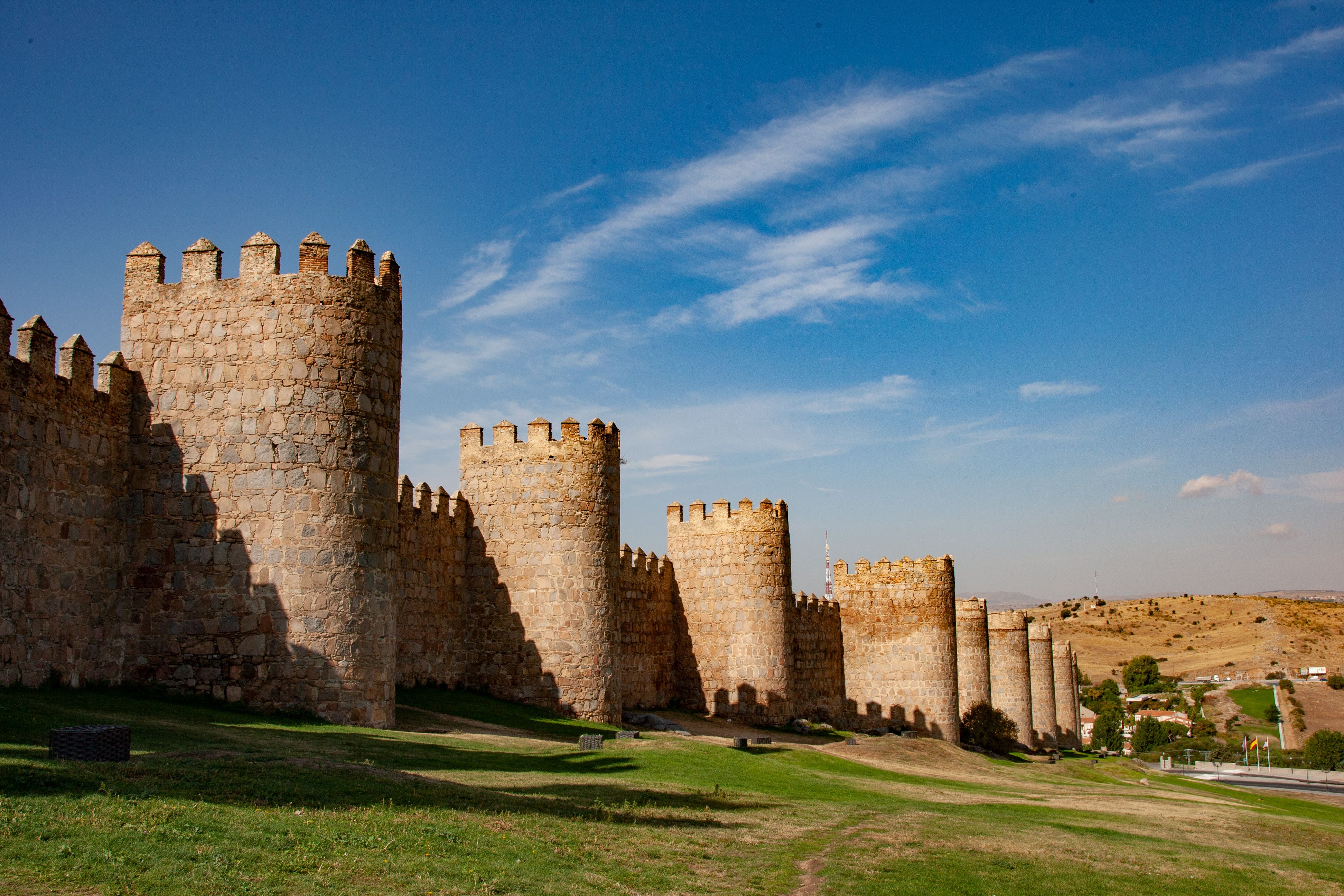

Spain offers a remarkable diversity of experiences within a single country, from snow-capped mountains in the north to sun-drenched coastlines in the south. Whether you're drawn to the preserved layers of history, the energy of working local markets, or outdoor pursuits in dramatic landscapes, you'll find something distinctive across Spain's regions. The country's geography and cultural wealth mean that a day out can take you from a medieval cathedral to a Bronze Age dolmen, from a bustling farmers' market to a ski resort in the Pyrenees—often within a few hours' drive. Spain's regional character is pronounced: each area has its own traditions, food, and architectural heritage, so the experience of a day out shifts noticeably as you move between Aragón, Asturias, Álava, La Rioja, Extremadura, and Andalusia. The country rewards both cultural exploration and outdoor adventure, and the infrastructure for visitors is generally excellent, with good roads and clear signage making it easy to combine multiple stops in a single trip or dedicate a full day to one compelling location.
Spain's size and varied climate mean the answer depends on what you want to do. Mountain sites like Candanchú in Aragón are accessible year-round but snow-dependent in winter for skiing. Spring and autumn offer mild weather across the country and are ideal for exploring historic sites, markets, and caves without summer crowds or heat. Coastal and southern regions like Andalusia are pleasant in winter, while summer suits beach days but can be hot inland.
Spain's castles, cathedrals, and archaeological monuments span thousands of years. The Cathedral of Santa María de Vitoria showcases Gothic architecture, while the Castle of Nalda and the Dolmen of Guadalperal offer glimpses into medieval and prehistoric Spain respectively. Many sites are well-preserved and open to visitors, though access, guided tour availability, and hours vary by location—it's worth checking in advance.
Yes. El Fontán Market in Oviedo is a working market open regularly, reflecting local food culture and daily life. Mountain resorts and caves like the Cave of the Seven Palaces in Almuñécar are established visitor destinations with facilities. Most sites are accessible by car or public transport, though opening times and seasonality vary, so planning ahead ensures you don't arrive to find a site closed.
Absolutely. Spain's regions often cluster several attractions within driving distance. You might spend a day exploring a cathedral and castle in one area, then visit a market and natural site the next. The proximity of sites like those in Asturias or La Rioja makes it feasible to visit 2–3 locations in a single day if you're willing to drive between them.
Book ahead for popular sites and check opening hours, as some close on certain days or seasons. Learn a few Spanish phrases to navigate rural areas and markets. Bring comfortable walking shoes for exploring historic sites and caves. Spain's regional differences are significant, so researching the specific area you're visiting—its food, traditions, and local customs—will enrich your experience.
We use necessary cookies to run the site, and — only with your consent — optional cookies for analytics and, in future, advertising. See our Cookie Policy and Privacy Policy.