

Guide
Culture & History Days Out in Spain

Free

Free

Gothic cathedral with a guided restoration-route visit
Cathedral of Santa María de Vitoria
From EUR 9


Free

Free

Free
About Culture & History Days Out in Spain
Spain's cultural and historical attractions span thousands of years, from prehistoric dolmens to medieval fortifications and vibrant markets that anchor communities across the country. Whether you're drawn to religious architecture, ancient settlements, or the living heritage of local commerce, Spain offers a rich and varied landscape for anyone wanting to deepen their understanding of how this country has developed. The regional diversity is striking: a morning exploring a Romanesque cathedral in the Basque Country feels entirely different from climbing the medieval walls of a Castilian city or discovering Neolithic monuments in Extremadura. Each region has layered its own cultural identity into the places visitors can explore today.
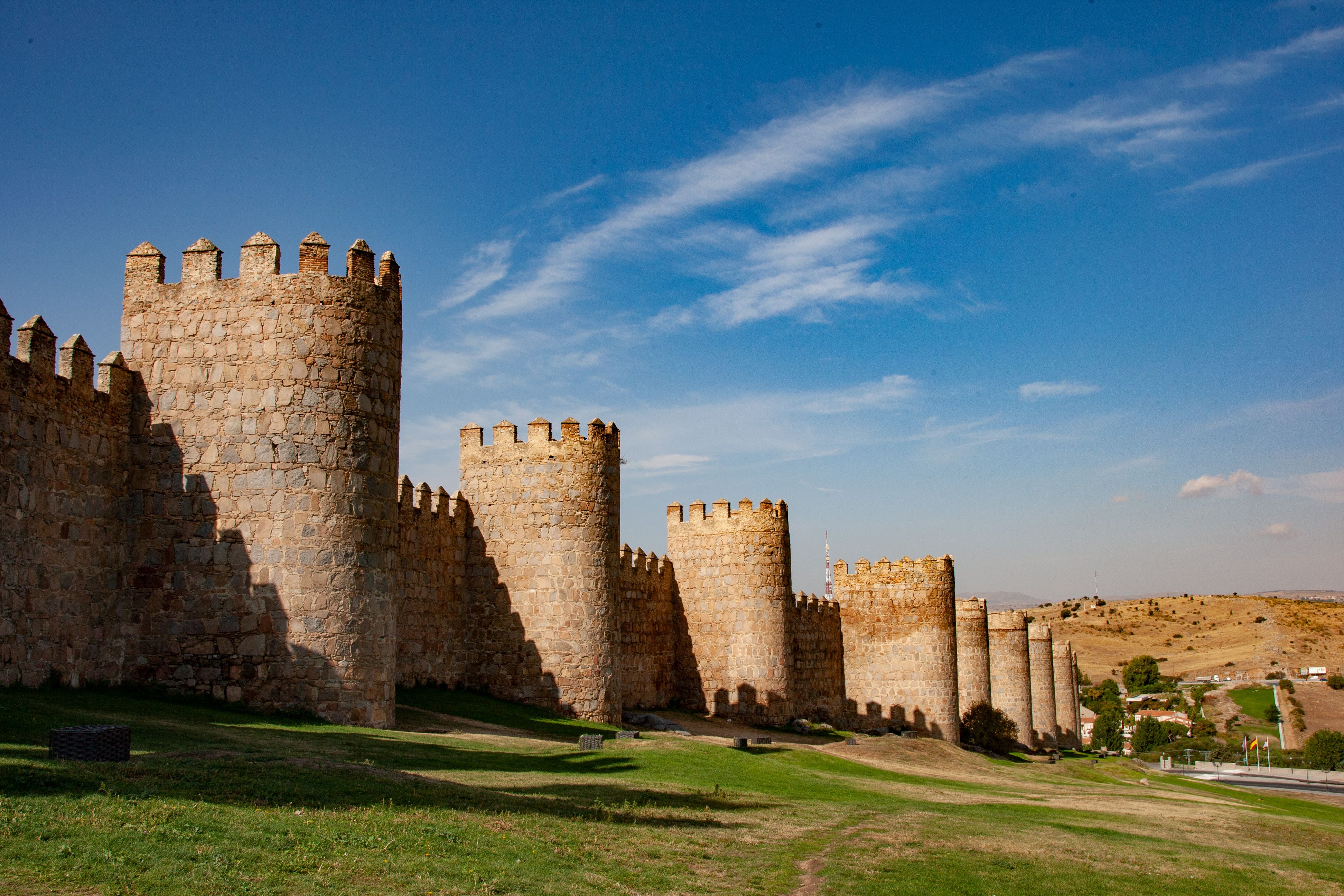
When visiting Spain's cultural and historical sites, you'll encounter everything from grand architectural statements to intimate archaeological discoveries. Markets like El Fontán in Oviedo remain vital social and commercial hubs, often housed in characterful old buildings that tell their own story about how daily life has been organized for generations. Cathedrals such as the Cathedral of Santa María de Vitoria showcase the craftsmanship and ambition of their era, while castles and fortifications like the Castle of Nalda and the Walls of Ávila demonstrate the strategic and defensive concerns of medieval Spain. Prehistoric sites, including the Dolmen of Guadalperal and the Cave of the Seven Palaces, push understanding back even further, revealing how people lived and gathered in this landscape long before modern Spain took shape.
The best time to visit Spain's cultural attractions is typically spring (April to June) or autumn (September to October), when temperatures are moderate and crowds smaller than in peak summer. Many sites are year-round destinations, but outdoor monuments and market visits are more pleasurable in mild weather. This category suits history enthusiasts, architecture lovers, those interested in archaeology, and anyone curious about how Spanish regional identity is expressed through preserved sites and ongoing traditions. You can visit these places independently or as part of organized tours; many are walkable from town centers, making them accessible whether you're spending a full day or a few hours in a region.
What makes Spain's cultural and historical offerings distinctive is how they cluster across different regions, each with its own accent and significance. You might explore a site dating back to prehistoric times in the morning, then spend the afternoon in a thriving market surrounded by locals. The accessibility of these sites—many are central to their towns rather than isolated museums—means culture feels woven into everyday Spanish life rather than cordoned off. Whether your interest is primarily archaeological, architectural, religious, or social history, Spain's collection of cultural days out rewards both deep specialist knowledge and casual curiosity.
Questions people ask
What types of cultural and historical sites can I visit in Spain?
Spain offers a diverse range of cultural heritage, including prehistoric monuments like dolmens and caves, medieval castles and fortified walls, religious buildings such as cathedrals, and historic markets that function as living cultural spaces. These sites reflect different periods from Neolithic times through the medieval era and beyond, so you can follow particular threads of interest or sample across different eras and regions.
Are these cultural sites spread across different regions of Spain?
Yes. The example attractions range from Asturias in the northwest (El Fontán Market in Oviedo) through the Basque Country and La Rioja, across Castile and León (Walls of Ávila), down to Extremadura (Dolmen of Guadalperal) and Andalusia (Cave of the Seven Palaces in Almuñécar). This regional spread means you can build a cultural itinerary tailored to the areas you're visiting.
Can I visit these sites year-round?
Most sites are accessible year-round, though spring and autumn offer the most comfortable visiting conditions with moderate temperatures. Summer can be very hot, particularly in southern and central Spain, while winter is mild but some outdoor sites may be less pleasant. Always check opening hours before visiting, as some historic sites have seasonal variations.
What should I expect when visiting a Spanish cultural attraction?
Expect to encounter buildings, structures, and sites with real historical and social significance, often integrated into living towns and cities rather than isolated from everyday life. Some sites charge entry fees while others, like market squares and city walls, may be freely accessible. Many attractions offer information plaques or signage, though hiring a local guide can deepen understanding of regional context and specific stories behind each site.
Are these sites suitable for families with children?
Most cultural and historical sites are family-friendly, especially markets and city walls where children can explore freely. Caves and prehistoric sites often appeal to younger visitors' sense of discovery and adventure. Cathedrals and castles vary in accessibility and can involve stairs, so check specific sites beforehand if mobility is a consideration. Family-oriented local tourist offices can often suggest age-appropriate ways to engage with these attractions.