

Free
☁️ 14°
Guide

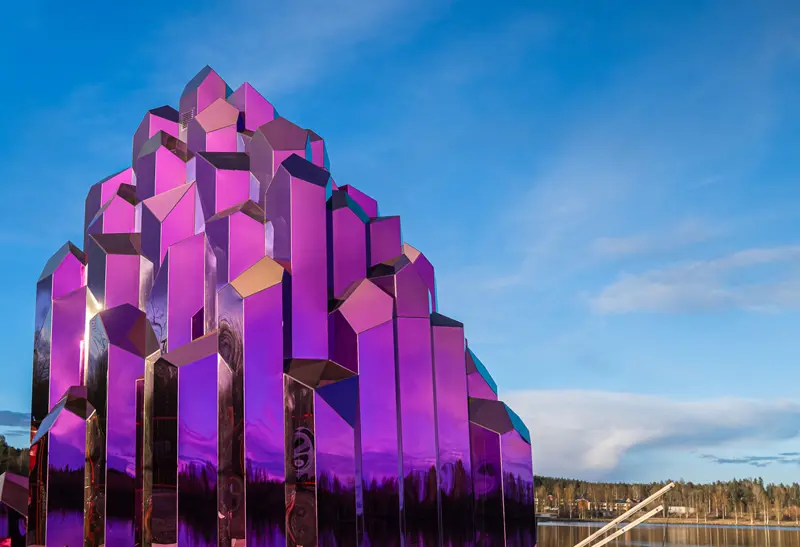


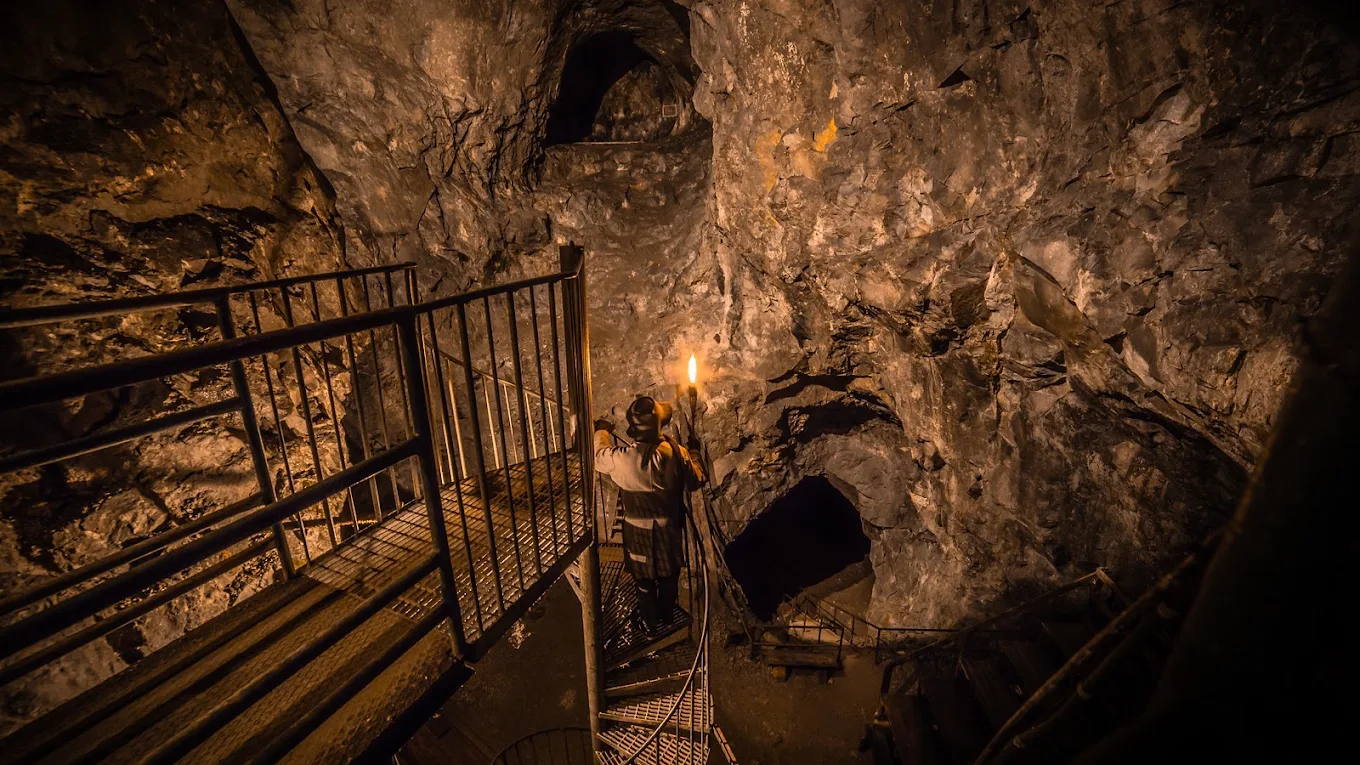
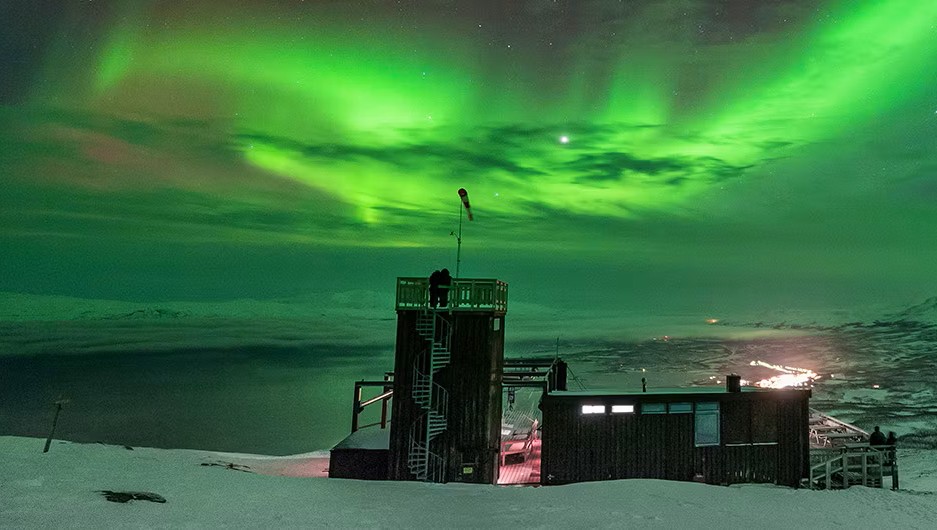


Sweden's diverse attractions offer something quite different from the usual tourist trail. Across the country, from the far north to the southern regions, you'll find a fascinating mix of contemporary art spaces, ancient historical sites, and quirky themed experiences that reveal both Sweden's creative spirit and its deep cultural heritage. Whether you're exploring a northern church town frozen in time, standing before Bronze Age rock carvings, or wandering through cutting-edge art installations in rural Skåne, these places capture something distinctly Swedish: a respect for craft and history combined with an embrace of creative expression.
The beauty of exploring Sweden's days out is that they're genuinely scattered across the country, which means you can weave them into a larger journey rather than clustering around a single city. In the far north, Gammelstad Church Town near Luleå presents an extraordinary glimpse into 18th-century life, with its preserved wooden buildings arranged around a church that still stands as the spiritual heart of the community. It's the kind of place where you can almost hear history in the quiet streets. Meanwhile, down in the southern reaches of Skåne, both Kivik Art Centre and Wanås Konst showcase how Sweden's contemporary art scene thrives in unexpected rural locations, turning open land and old estates into galleries and creative spaces. These aren't sterile museum experiences; they're living projects that often incorporate the landscape itself.
Historical depth runs through many of these attractions in ways that appeal to different interests. The Tanum Rock Carvings in Västra Götalands län take you back thousands of years, offering a tangible connection to Bronze Age Sweden. Eketorp Fortress on the island of Öland is another layer of history entirely—a medieval stronghold that tells the story of the region's strategic importance. These sites work best if you enjoy a sense of genuine connection to the past, rather than polished interpretation; they reward curiosity and imagination.
For a completely different experience, High Chaparral near Jönköping offers something unexpected: a Wild West theme park that stands as a cheerful anomaly in Sweden's cultural landscape. It's the kind of place that works brilliantly for families wanting a day of playful fun rather than cultural immersion, and it demonstrates that Sweden's attractions span far beyond the highbrow and historical.
Timing your visits matters. Sweden's outdoor and heritage sites are at their most welcoming from late spring through early autumn, when the long daylight hours and milder weather make exploration genuinely pleasant. Many of these attractions are spread across regions that reward a leisurely road trip, so building a route that connects several sites over a few days makes sense logistically and enriches the experience. Winter visits are possible but require more planning and are best suited to those who don't mind shorter daylight hours and colder conditions.
When choosing which to visit, think about what draws you in. If you're a history enthusiast with patience for archaeological sites, the rock carvings and fortress won't disappoint. If contemporary art and creative spaces excite you, the art centres in Skåne are compelling. If you're travelling with younger family members or want straightforward entertainment, High Chaparral delivers exactly what it promises. Sweden's attraction is that these places feel authentic to their purpose rather than retrofitted for tourism, which means your visit will likely feel more genuine than a typical heritage site experience.
Late spring through early autumn (May to September) offers the most pleasant weather and longest daylight hours, making it ideal for exploring outdoor sites like Tanum Rock Carvings and Gammelstad Church Town. Winter visits are possible but mean shorter days and colder conditions, which is fine if you're prepared but may limit your enjoyment of historical sites that lack extensive indoor facilities.
They're genuinely scattered from Norrbotten in the far north (Gammelstad Church Town near Luleå) down to Skåne in the south (Kivik Art Centre and Wanås Konst), with others scattered in between. This means planning a route that connects several sites over a few days works better than trying to visit multiple attractions in a single day, but it's perfect for a larger Swedish road trip.
High Chaparral near Jönköping is specifically designed as a family-friendly Wild West theme park. Gammelstad Church Town is also accessible for families interested in history, as the walking routes are manageable and the preserved buildings offer tangible connection to the past. The art centres and archaeological sites require more patience and work better for older children or adults with specific interests.
This depends on the specific attraction and season, but for popular sites or during peak summer months, advance booking is often a good idea to avoid disappointment. It's worth checking each venue's website before you visit, particularly if you're planning a road trip and want to coordinate timing across multiple sites.
Swedish attractions tend to feel authentic and integrated into their landscape rather than heavily commercialized. From contemporary art centres in rural estates to preserved medieval fortresses and Bronze Age rock carvings, there's an emphasis on genuine connection to history and creative expression. Many sites also reflect Sweden's particular relationship with nature and landscape in their design and setting.
We use necessary cookies to run the site, and — only with your consent — optional cookies for analytics and, in future, advertising. See our Cookie Policy and Privacy Policy.