

Free
Guide


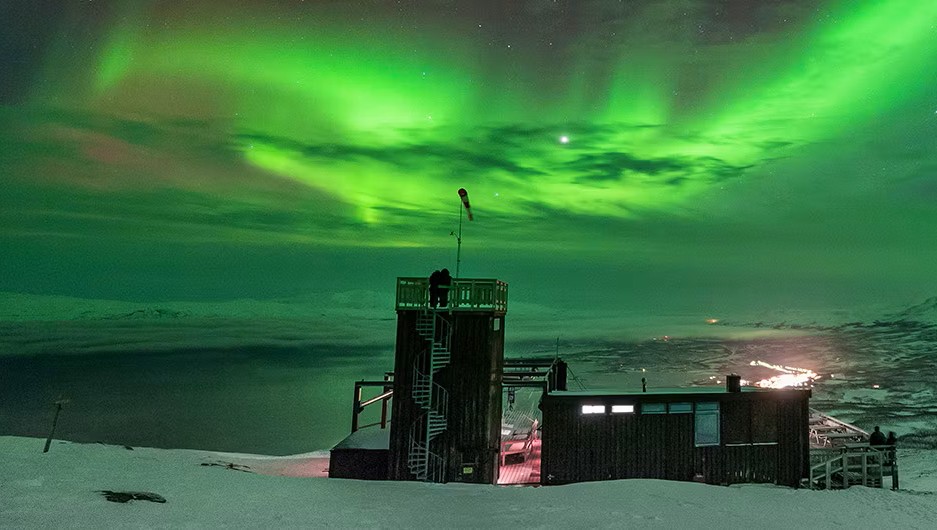


Sweden's landscape offers something genuinely special for anyone seeking time in nature. The country's vast forests, dramatic coastlines, and pristine wilderness areas create an almost endless palette of outdoor experiences, each distinct in character and appeal. Whether you're drawn to the raw energy of a waterfall, the sculptural beauty of a managed garden, or the quiet solitude of a nature reserve, Sweden delivers the kind of immersion in natural spaces that feels genuinely restorative. The Swedish tradition of friluftsliv—the freedom to roam and spend time in the open air—shapes how these places welcome visitors, often with a refreshing lack of barriers between you and the landscape itself.
What makes exploring Sweden's nature and outdoor sites so rewarding is the sheer diversity within a relatively accessible area. In Skåne, the southern region, you might find yourself walking through manicured garden spaces like Norrviken Gardens one day, then scrambling across dramatic coastal cliffs at Kullaberg Nature Reserve the next, before spending an afternoon on the long sandy expanse of Sandhammaren Beach. Meanwhile, if you venture further north into Dalarna, the landscape shifts entirely—forests deepen, settlements become sparser, and you encounter attractions like the powerful Njupeskär Waterfall that showcase the raw geological drama of the Swedish interior. These aren't generic nature spots; each carries the character of its region and the particular way that Swedish landscapes evolve as you move across the country.
Choosing between different nature experiences here often comes down to what kind of time you want to spend outdoors and how much structure appeals to you. Managed attractions like Norrviken Gardens offer the pleasure of curated design and the chance to see how landscapes have been thoughtfully shaped over time, plus the practical comfort of facilities and clear pathways. Nature reserves and national parks like Söderåsen and Kullaberg lean toward wilder experiences—you're navigating terrain that feels less domesticated, encountering varied ecosystems, and often getting better views of flora and fauna in their less managed state. Waterfalls like Njupeskär and beaches like Sandhammaren occupy their own category entirely: they're destination moments, often requiring a bit of effort to reach but rewarding you with something visually arresting and elemental. Wanås Konst adds yet another dimension, blending art installations into a natural setting, which appeals particularly if you want your outdoor experience threaded through with cultural interest.
Practically speaking, the best time to visit Sweden's nature sites is late spring through early autumn, roughly May through September, when the weather is most reliable and days are long—in summer, parts of northern Sweden experience nearly continuous daylight. Autumn brings dramatic colour to the forests and fewer crowds. Winter transforms these landscapes entirely if you're prepared for snow and cold, opening up different activities entirely. Most of these sites are accessible without specialist equipment or training, though some involve walking or modest hiking, so consider your fitness and footwear accordingly. Sweden's landscape rewards a slower pace; these aren't typically places to rush through in an afternoon, though some (like a beach visit) certainly can be brief if time is tight.
The accessibility and safety standards across Swedish nature areas tend to be high, with good signage and maintained paths at most major sites. Weather can change quickly, especially in coastal or elevated areas, so layering is wise even in summer. One of the genuine pleasures of visiting nature sites in Sweden is how uncrowded many remain compared to equivalent attractions elsewhere—you can often find yourself quite alone in beautiful spaces, which speaks both to the abundance of natural areas here and to the Swedish culture that spreads visitor numbers across many options rather than concentrating them on a few famous spots. Whether you're a serious walker, a casual nature lover, a photographer, or simply someone who wants to sit quietly in a beautiful place, Sweden's nature and outdoor sites offer genuine variety and the kind of access to wild and cultivated landscapes that makes a real difference to how you experience them.
Both protect natural landscapes, but national parks like Söderåsen offer a more formal designation with visitor infrastructure, marked trails, and visitor centers, while nature reserves like Kullaberg may be smaller, more focused on specific ecosystems, and sometimes less developed in terms of facilities. In practice, both provide excellent access to wild landscapes and interesting flora and fauna, so your choice often comes down to how much structure and signage you prefer.
Late spring through early autumn (May to September) offers the most reliable weather and the longest daylight hours, making it ideal for most visitors. Autumn, particularly September, brings stunning forest colors and smaller crowds. Winter is beautiful if you're prepared for snow and cold, but many sites become significantly harder to access without winter gear.
No formal experience is required at most of these sites. They have maintained paths and good signage for various fitness levels, though some routes do involve elevation or uneven terrain. Check the specific site's information before visiting to match the walk to your fitness and footwear.
Wanås Konst blends natural landscape with contemporary art installations, so you're experiencing both outdoor nature and cultural art in one visit. If you enjoy art alongside outdoor walking, it offers a distinctive combination that most other sites don't provide.
Some clustering is possible—Norrviken Gardens, Sandhammaren Beach, Kullaberg, and Söderåsen are all in Skåne and relatively accessible to each other. However, these places reward time spent in them rather than rushing through, so one or two sites per day typically gives a better experience than trying to visit everything at once.
We use necessary cookies to run the site, and — only with your consent — optional cookies for analytics and, in future, advertising. See our Cookie Policy and Privacy Policy.