
Free
Guide


Sweden has built a reputation for reimagining the everyday into something extraordinary, and its roster of unusual attractions proves it. From sleeping inside walls of ice to soaking in a sauna carved from wasteland, these experiences sit far outside the conventional tourist trail. They blend Nordic ingenuity, architectural ambition, and a willingness to experiment with hospitality and design in ways that feel distinctly Swedish. Whether you're drawn to engineering marvels, nature-integrated stays, or experiences that make you question what a hotel or sauna can be, Sweden offers a collection of genuinely unexpected days out.
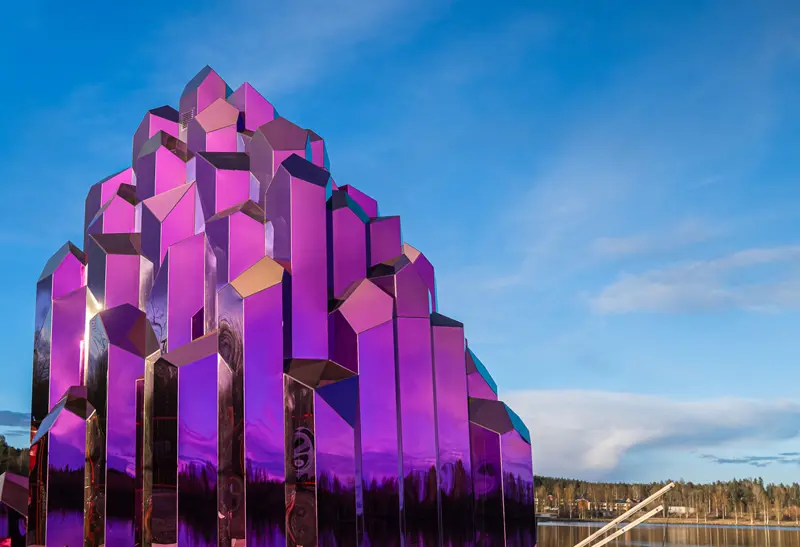
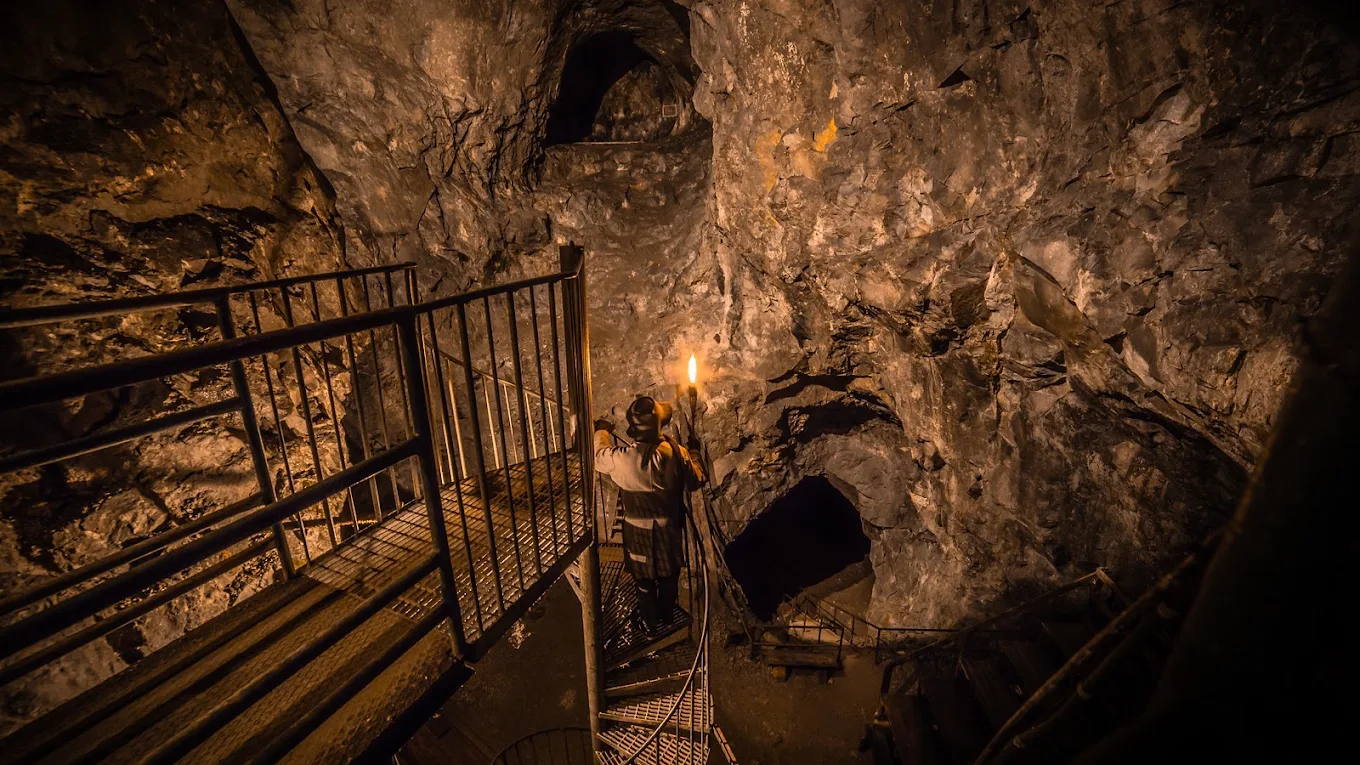
The appeal of these unusual venues lies not just in their novelty but in their execution. Many are built with serious craft and attention to experience, turning a quirky concept into something worth traveling for. You might find yourself in a treehouse suspended between pines, descending into a former silver mine, or bathing in a sauna that doubles as conceptual art. Each draws visitors who want to step outside standard sightseeing and engage with something that feels both memorable and somehow authentically Swedish—where Nordic design principles and a certain creative boldness meet hospitality.
These attractions work year-round, though each has a season that suits it best. Winter transforms some of these experiences entirely: ice-based accommodation becomes more meaningful during the season for which it's designed, while treehouses offer a different perspective when surrounded by snow. Summer brings longer daylight and easier travel, making remote locations more accessible. Most require booking in advance, partly because capacity is limited and partly because the novelty and themed nature of these places means visits are deliberate choices rather than casual drop-ins.
Visiting unusual Swedish attractions tends to suit travellers seeking a story, not just a photograph. They work equally well as once-in-a-lifetime indulgences or as part of a broader Swedish road trip. The experiences are spread across the country, from the deep forests of the north to regions closer to central Sweden, so planning often means building a route rather than clustering visits in one town. Expect professional, thoughtful operations: these aren't gimmicks thrown together, but carefully considered venues that take their premise seriously. That attention to detail is what separates them from mere curiosities and makes them worth the effort to reach.
Swedish unusual venues tend to be built with serious design intent and year-round operation rather than seasonal gimmicks. They reflect Nordic principles of minimalism, functionality, and integration with nature. The Treehotel and ICEHOTEL, for example, prioritize architectural or environmental storytelling alongside the novelty factor, making them destinations in their own right rather than merely odd for oddness' sake. This approach—combining concept with genuine hospitality—is distinctly Swedish.
Many are, though it depends on the specific venue and your children's ages. Treehotel welcomes families and offers a unique way to experience Swedish forests. The Håverud Aqueduct provides an accessible day visit with historical and engineering interest. ICEHOTEL and Sala Silvermine have family-friendly options, though these tend to be cold or underground environments that work better with older children. Check individual sites for age recommendations before booking.
Booking ahead is essential, especially for accommodation-based experiences like ICEHOTEL and Treehotel, which fill months in advance during peak seasons. Day visits to sites like Sala Silvermine or Håverud Aqueduct may be more flexible, but confirming availability beforehand is wise, particularly if you're planning a specific route through northern or central Sweden.
Winter (December to March) is ideal for ICEHOTEL and snow-based saunas, when the experience aligns with the season and the landscape is transformed. Summer and early autumn offer better accessibility and longer daylight for treehouses, aqueducts, and mine tours. Many operate year-round, so the best time depends on which experiences appeal to you and whether weather and season are part of the appeal.
Yes, though they're spread across Sweden, so route planning matters. Northern attractions like ICEHOTEL and Treehotel are relatively close to each other in Norrbottens län, making a northern loop feasible. Sala Silvermine and Håverud Aqueduct are closer to central Sweden. Building a multi-day road trip combining several is realistic, but factor in travel time and book accommodation and activities well ahead.
We use necessary cookies to run the site, and — only with your consent — optional cookies for analytics and, in future, advertising. See our Cookie Policy and Privacy Policy.