

☁️ 10°
Guide


Switzerland offers some of Europe's most dramatic and accessible mountain experiences. The Alps dominate the landscape, shaping not just the scenery but the entire culture of outdoor adventure. Days out here typically centre on the mountains themselves—whether you're ascending via cogwheel railway, walking through pristine valleys, or simply sitting by a glacial lake taking in views that seem impossibly vast. The Swiss have perfected the art of making these experiences accessible and comfortable, with excellent infrastructure, well-marked trails, and a tradition of hospitality that stretches back generations.
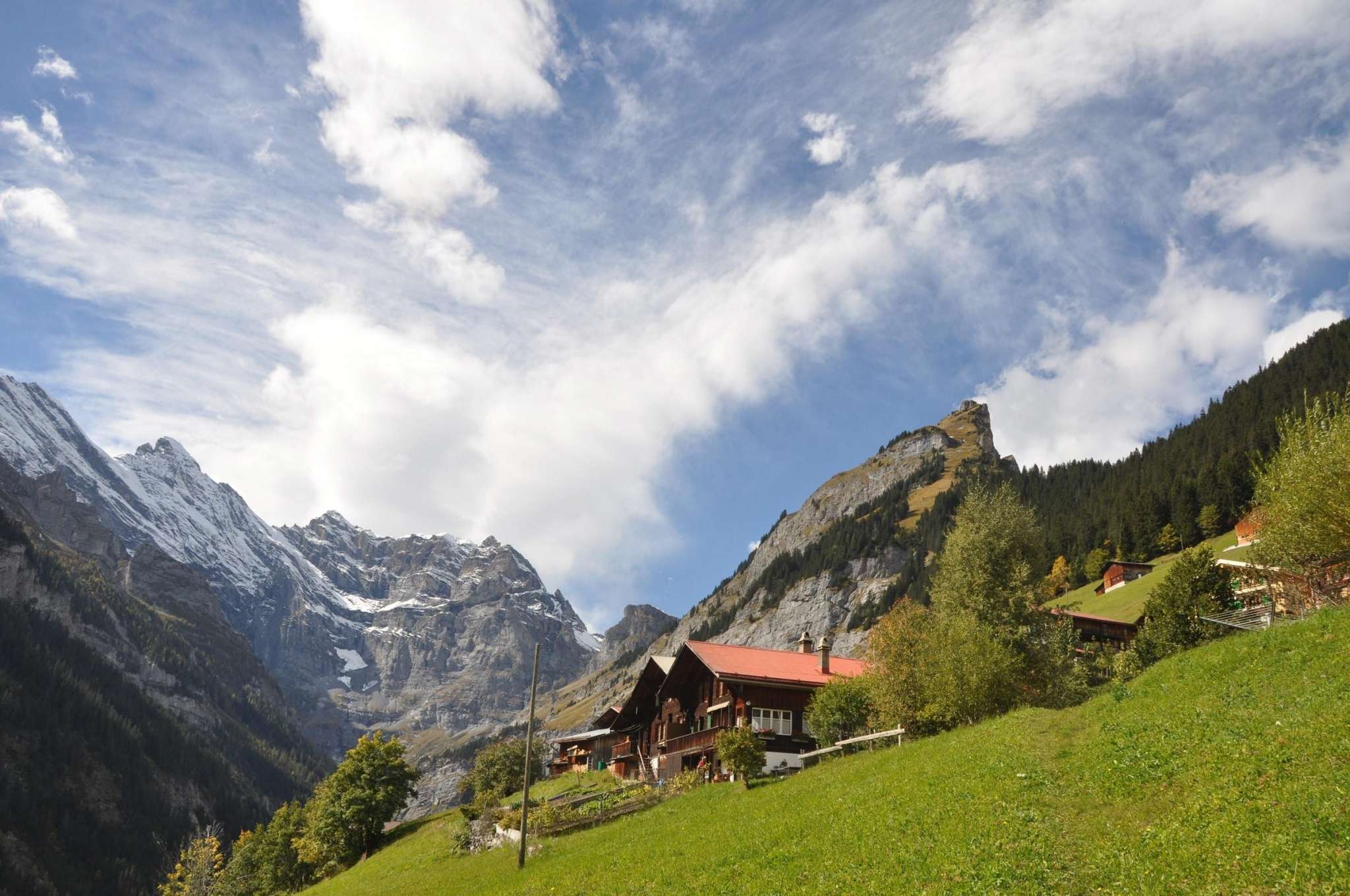
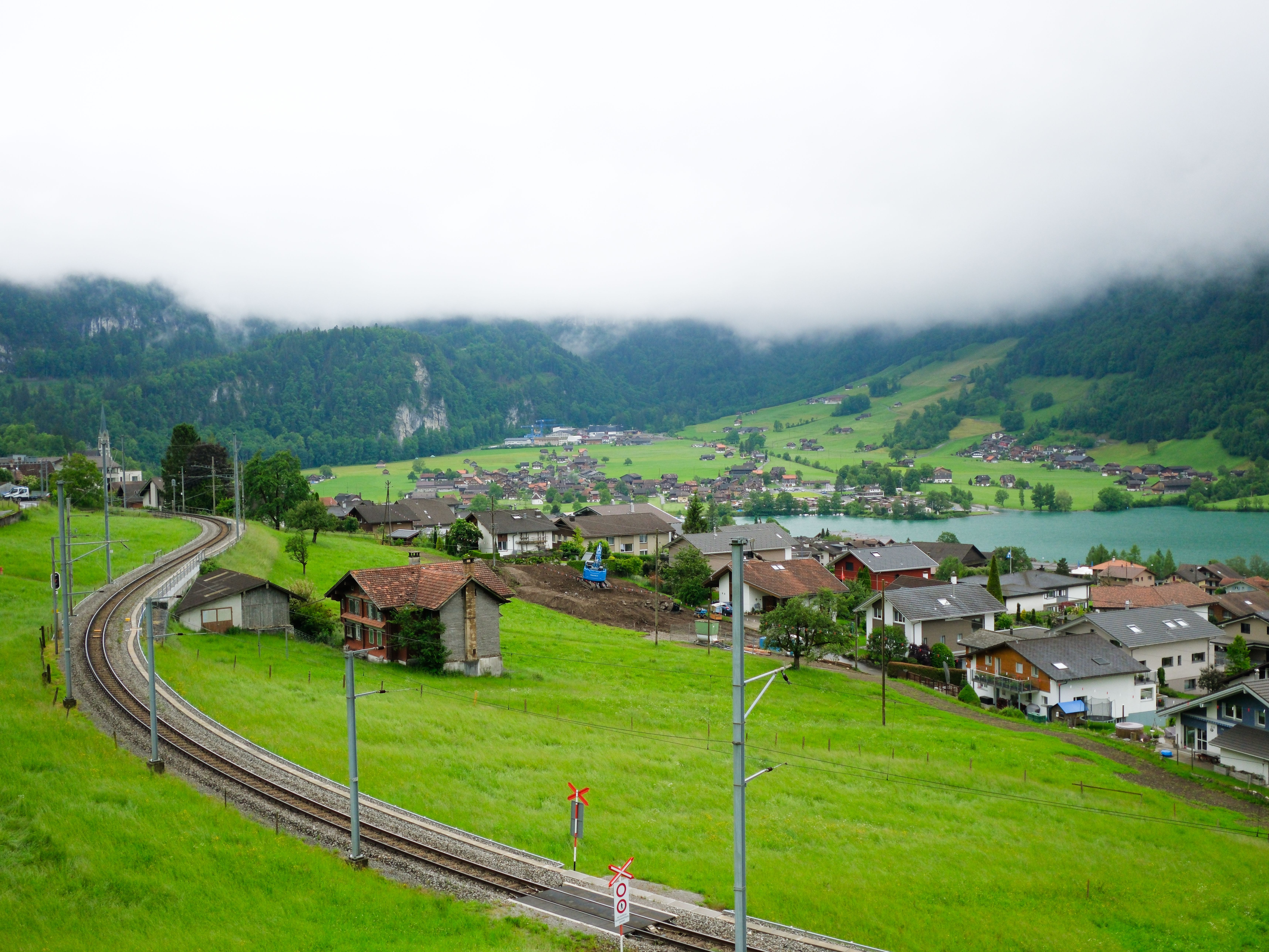
What makes Switzerland distinctive as a destination is the combination of natural grandeur and accessibility. You don't need mountaineering skills or weeks of planning to experience the high Alps. The Gornergrat Railway in Zermatt, for instance, carries visitors up to 3,089 metres with minimal effort, offering close views of the Matterhorn and surrounding peaks. Similarly, the Lauterbrunnen Valley in the Bernese Oberland is a showpiece of Swiss mountain geography—a deep glacial valley ringed by waterfalls and accessible on foot from the valley floor. Even quieter corners like Lake Lungern or the car-free hamlet of Gimmelwald reveal the slower, more intimate side of Alpine life.
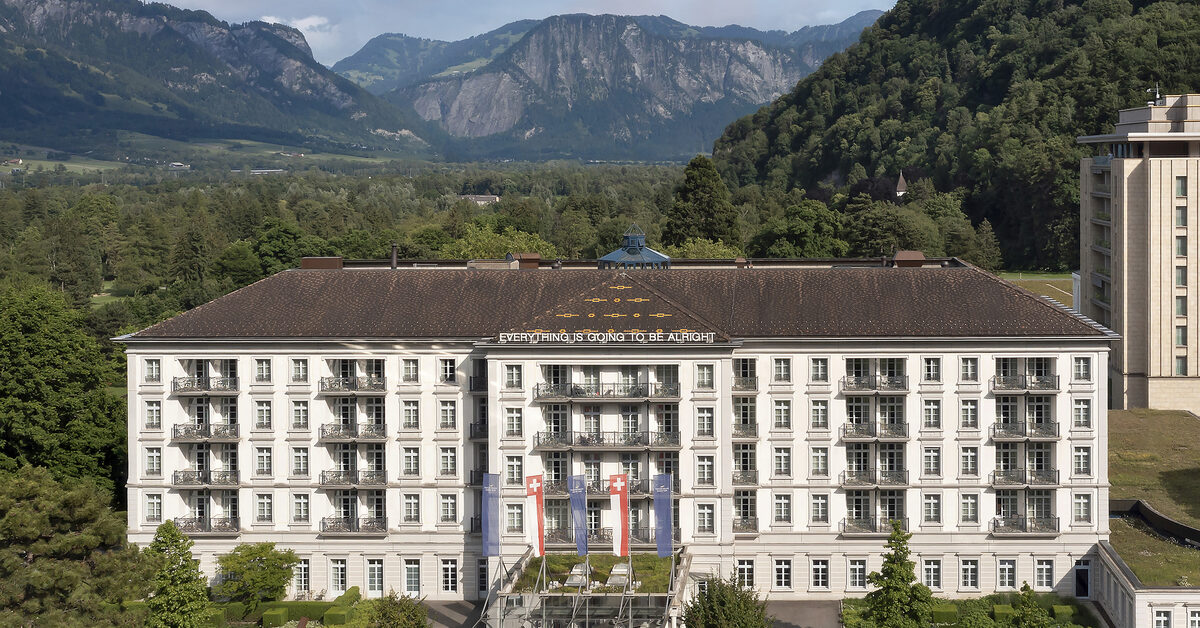
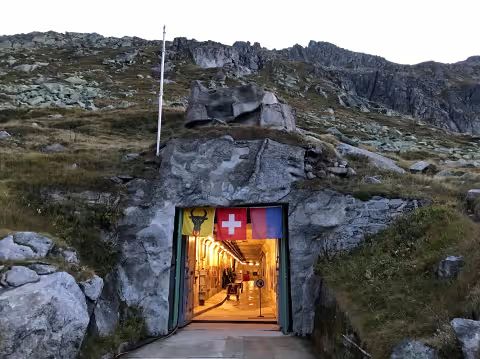
The scale and variety mean there's something for almost every visitor. Families often gravitate toward valley walks and scenic train rides, where effort is minimal but the reward is profound. Walkers and outdoor enthusiasts have thousands of kilometres of maintained trails, many connecting mountain huts where you can rest and refuel. History buffs find interest in unexpected places—the Sasso San Gottardo Fortress near Airolo, for example, sits high in the Gotthard Pass with panoramic views and fascinating military heritage. Even those seeking relaxation find their place: Grand Resort Bad Ragaz offers thermal springs and spa facilities in an Alpine setting, blending wellness with mountain air.
The season matters. Summer, from late June through September, is when most attractions operate in full and trails are reliably snow-free. The weather is stable, though mountain weather can change quickly, so layers are essential. Spring and autumn offer their own rewards—fewer crowds, softer light, and often clearer air—though some higher passes and cable cars may have limited hours. Winter transforms the landscape entirely, and while ski resorts dominate that season, many valley destinations remain accessible and take on a quiet, snow-draped beauty.
A day out in Switzerland typically involves some combination of travel and stillness. You might take a train or cable car upward, walk for a few hours at altitude, and spend time simply looking outward across valleys and peaks. The pace is deliberate rather than rushed. Bring good shoes, weather-appropriate clothing, water, and a willingness to move slowly—the landscape rewards attention, and the Swiss understand that the best views are often earned, even if only by a gentle uphill walk.
Summer, from late June through September, offers the most reliable weather and access to high mountain attractions. Most cable cars, scenic railways, and Alpine trails operate fully during these months, and snow is absent from lower and mid-altitude destinations. Spring and autumn are quieter and often have beautiful light, though some higher passes and attractions may have limited hours or seasonal closures.
No. Many of Switzerland's most famous mountain experiences—the Gornergrat Railway, valley walks in Lauterbrunnen, or a visit to Lake Lungern—require no special fitness or mountaineering experience. Cable cars and trains do much of the climbing for you, and well-maintained paths suit a wide range of abilities. Even Gimmelwald, a mountain hamlet, is reached by cable car or a gentle walk, making it accessible to most visitors.
Yes. The Sasso San Gottardo Fortress near Airolo combines Alpine scenery with military history, set high in the Gotthard Pass with panoramic views. Beyond the examples listed, Switzerland's valleys and mountain towns often have museums, old villages, and cultural sites worth exploring. Many days out naturally blend landscape, local history, and architecture together.
Bring sturdy walking shoes or boots, weather-appropriate layers (mountain weather can change quickly), sun protection, water, and snacks. Even on fine days, bring a light rain jacket or windproof layer. In summer, water and sun cream are essential at altitude. Check the forecast before leaving, but assume cooler temperatures the higher you go—it's typically around 2 degrees Celsius cooler for every 300 metres of elevation.
Switzerland offers variety beyond hiking. Grand Resort Bad Ragaz provides thermal springs and spa facilities in an Alpine setting, ideal for a wellness-focused day. Many valley destinations also offer gentler experiences—scenic train rides, lakeside walks, or simply sitting in a mountain restaurant enjoying the views—without demanding strenuous activity.
We use necessary cookies to run the site, and — only with your consent — optional cookies for analytics and, in future, advertising. See our Cookie Policy and Privacy Policy.