

Guide
Culture & History Days Out in the UK


Free

Free

Free
Free
Free
About Culture & History Days Out in the UK
The United Kingdom is layered with centuries of human story—from prehistoric monuments to medieval strongholds, Roman outposts, and industrial heritage. A day spent exploring these cultural landmarks offers far more than a walk through the past; it's a chance to stand where history actually happened, to see the engineering and craft that shaped a nation, and to understand how the landscape itself tells the narrative of British life across millennia. Whether you're drawn to archaeology, architecture, or the raw authenticity of ruins, the UK's collection of historical sites caters to curious minds of all ages.
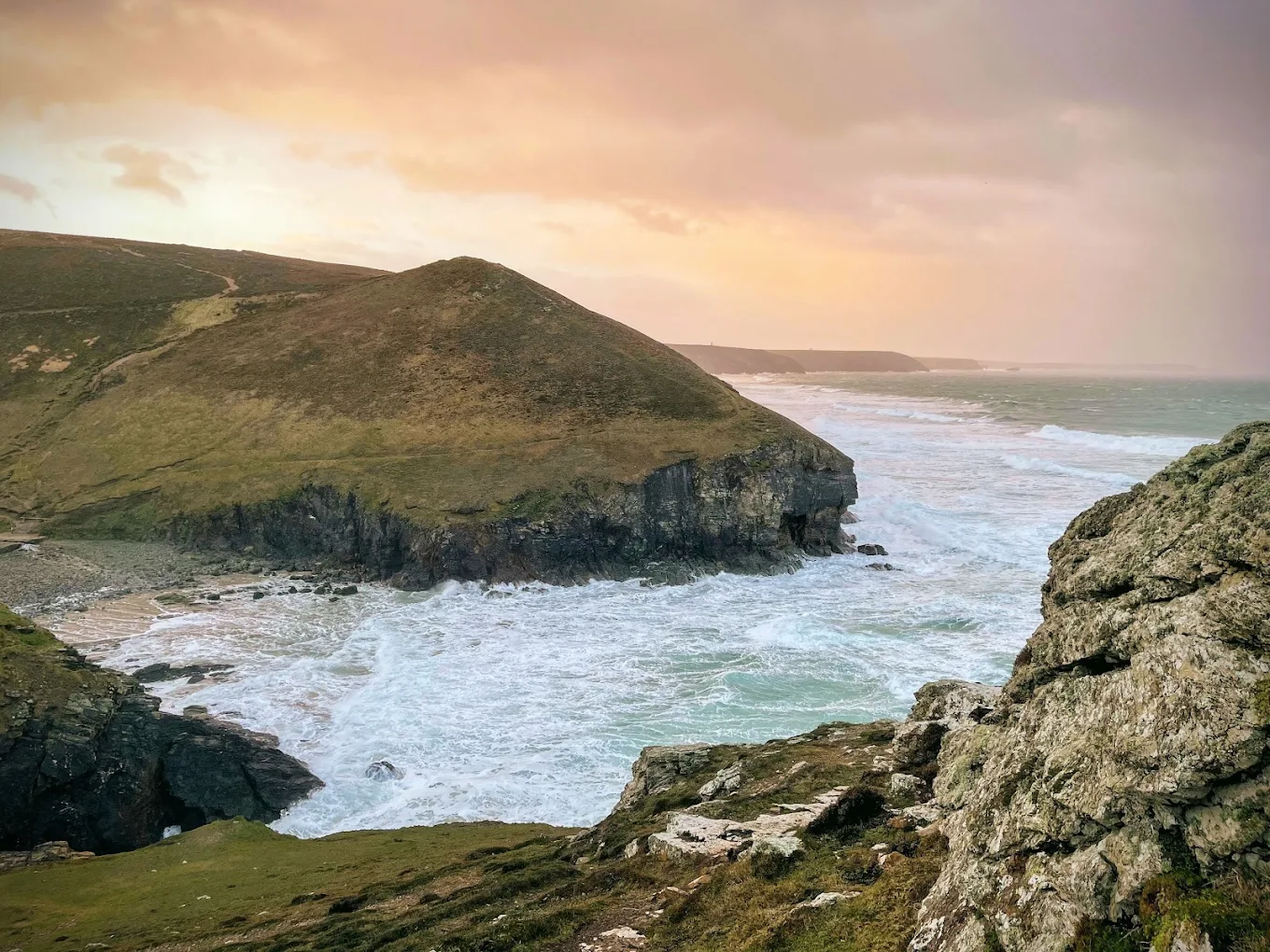
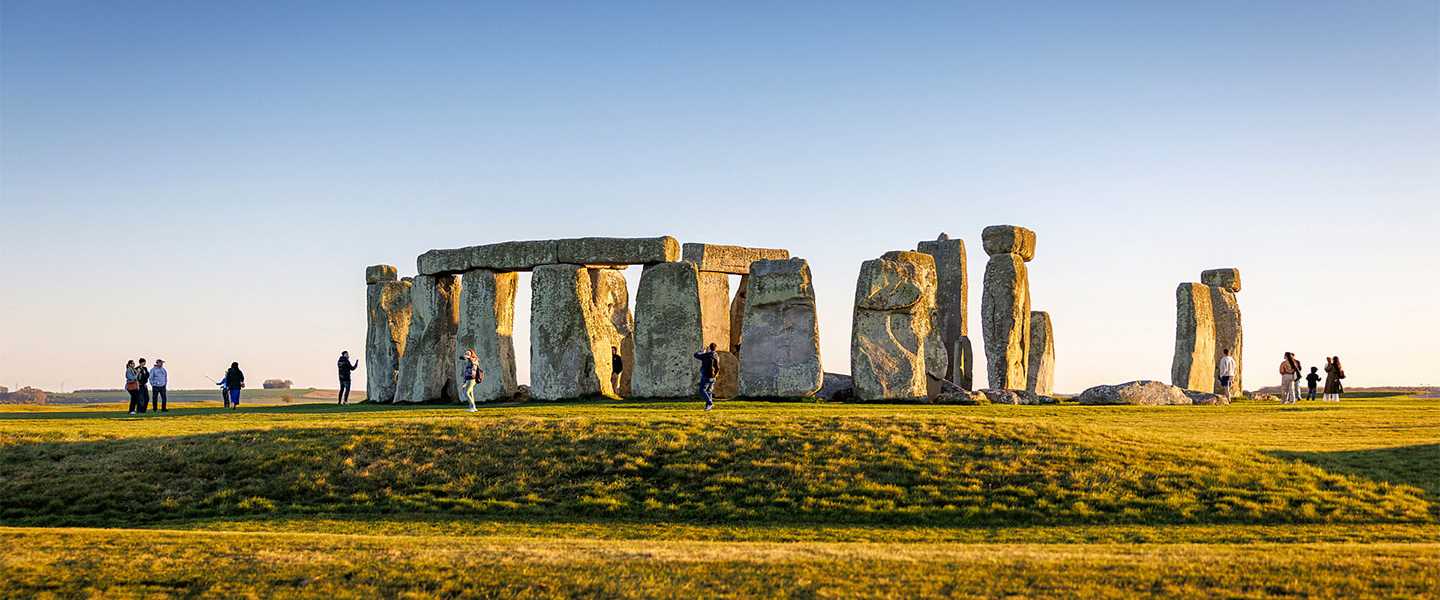
What makes British heritage distinctive is its sheer density and variety. You can visit a Roman military fort that anchored an empire's northern frontier, explore a medieval castle that witnessed dynastic struggles, or stand within an ancient stone circle whose original purpose remains beautifully mysterious. Many of these sites are woven into their natural surroundings—perched on clifftops, nestled in moorland, or anchoring small villages—which means the experience of visiting them is often as memorable as the history itself. Caludon Castle near Coventry, the remnants of Mamucium Fort in Manchester, Loch Doon Castle in the Scottish Highlands, the dramatic St Agnes Coastline in Cornwall, and Castlerigg Stone Circle near Keswick each offer distinct glimpses into different eras and landscapes.
Visiting these sites requires little more than curiosity and comfortable shoes. Some are free to explore, others charge modest entry fees or ask for donations. Many are accessible year-round, though weather—particularly in Scotland and the Lake District—plays a real role in the experience. Spring and autumn often provide the best balance of visibility and manageable crowds, though winter has its own atmospheric appeal, and summer draws families and tourists in full force. You'll find varying levels of interpretation on-site; some locations offer detailed signage or visitor centres, while others reward you with the quieter, more contemplative experience of encountering history with fewer barriers between you and the landscape.
These days out suit solo explorers, families wanting to teach children about British history, photographers seeking dramatic settings, and anyone simply hungry for a tangible connection to the past. Expect some walking, occasionally steep terrain, and the genuine thrill of standing in places that have mattered for centuries. The best approach is to choose a site that matches your interests—whether that's military history, castle architecture, prehistoric mystery, or coastal erosion and human settlement—and to allow enough time to absorb the place properly rather than rushing between attractions.
Questions people ask
What's the best time of year to visit UK historical sites?
Spring and autumn offer the clearest weather and fewer overwhelming crowds, making them ideal for photography and unhurried exploration. Summer is busiest but often warmest. Winter can be atmospheric and quiet, though daylight hours are shorter and weather more unpredictable, particularly in Scotland and northern England.
Do I need to book tickets in advance?
Most UK historical sites either charge modest entry fees or are free to access, and many don't require advance booking. However, it's worth checking individual sites beforehand, especially if you're planning to visit during peak holiday periods when some venues may restrict numbers or close unexpectedly.
Are these sites accessible for people with mobility issues?
Accessibility varies significantly by location. Medieval castles and archaeological sites often involve uneven terrain and stairs, while some sites have developed visitor facilities and ramps. It's worth contacting individual locations ahead of time to understand what access is available for your specific needs.
Can I visit multiple sites in one day?
It depends on their locations and how much time you want to spend at each. Sites within the same region—such as castles in the Scottish Borders or historical attractions in the Midlands—might be combined, but each site deserves at least an hour or two to appreciate properly rather than rushing through.
What should I bring when visiting outdoor historical sites?
Comfortable walking shoes are essential, as most sites involve uneven ground. Weather-appropriate clothing is critical, especially in exposed upland locations. A camera, water, snacks, and a basic guidebook or smartphone research enhance the experience, and checking weather forecasts before you go helps you prepare sensibly.