

Guide
Nature & Outdoors in the United Kingdom

Free
Free

Free
Free
About Nature & Outdoors in the United Kingdom
The United Kingdom offers some of Europe's most varied and accessible natural landscapes, from windswept moors to rugged coastlines and hidden woodland glens. Whether you're drawn to dramatic geological formations, peaceful countryside walks, or seaside escapes, the UK's nature reserves and outdoor destinations deliver genuine wonder without requiring a passport. The appeal lies not in tropical extremes but in the quiet beauty of well-preserved natural spaces: the raw Atlantic cliffs of Cornwall, the rolling hills of the Peak District, and the otherworldly stone columns of Northern Ireland's coast each tell a story written in rock and time.
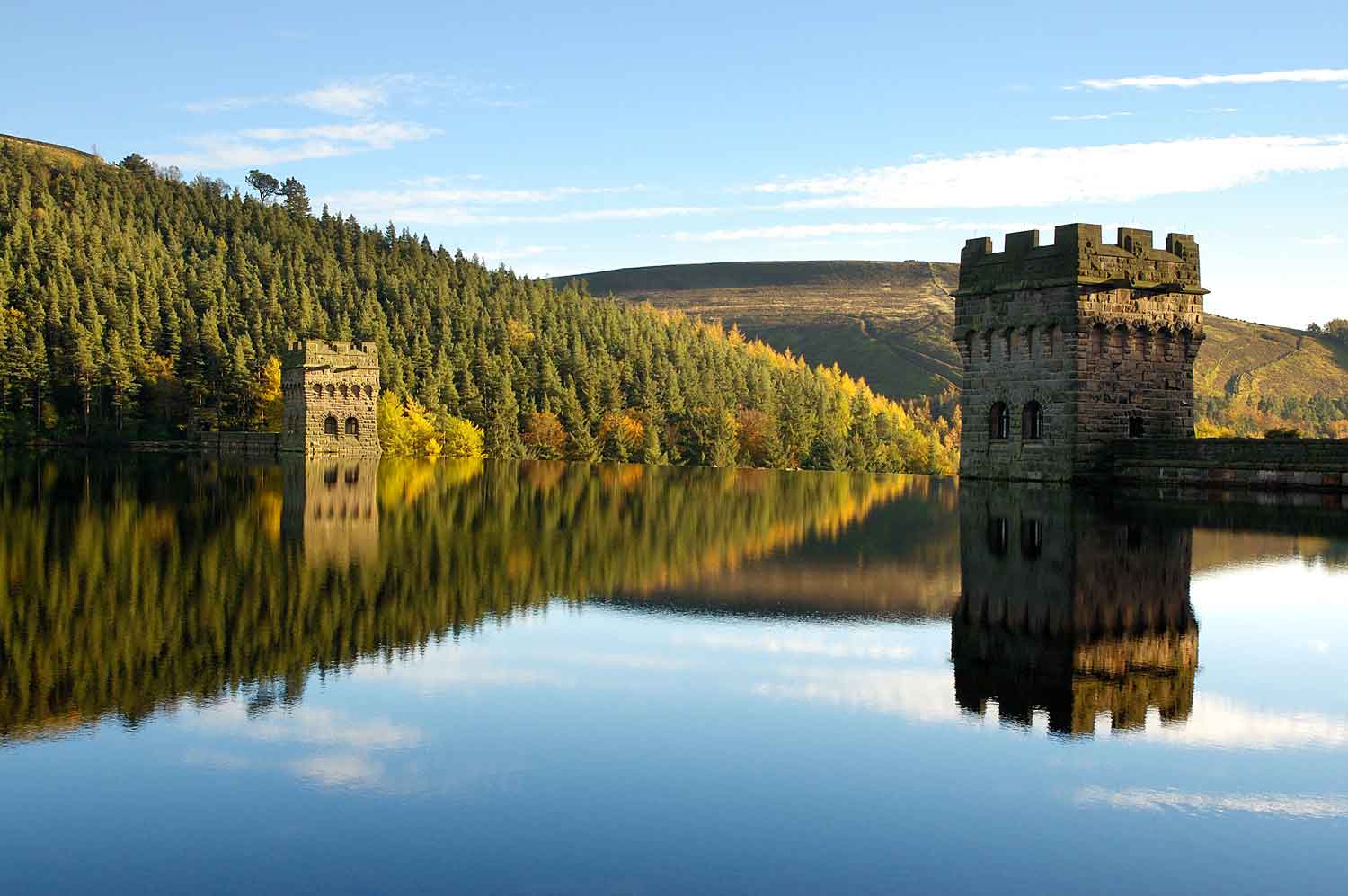
What makes outdoor exploration in the UK distinctive is how compact it all is. You can move between entirely different landscapes—from coastal paths to moorland to forested valleys—within a few hours' drive. The Giant's Causeway in County Antrim stands as a geological marvel, its hexagonal basalt columns created by ancient volcanic activity, drawing visitors who want to witness nature's architecture firsthand. Similarly, the Peak District National Park spans Derbyshire and surrounding areas, offering everything from limestone valleys to moorland plateaus, with countless walking routes for all abilities. These spaces are well-managed and accessible, with visitor facilities and clear paths, yet they retain a sense of wild authenticity.
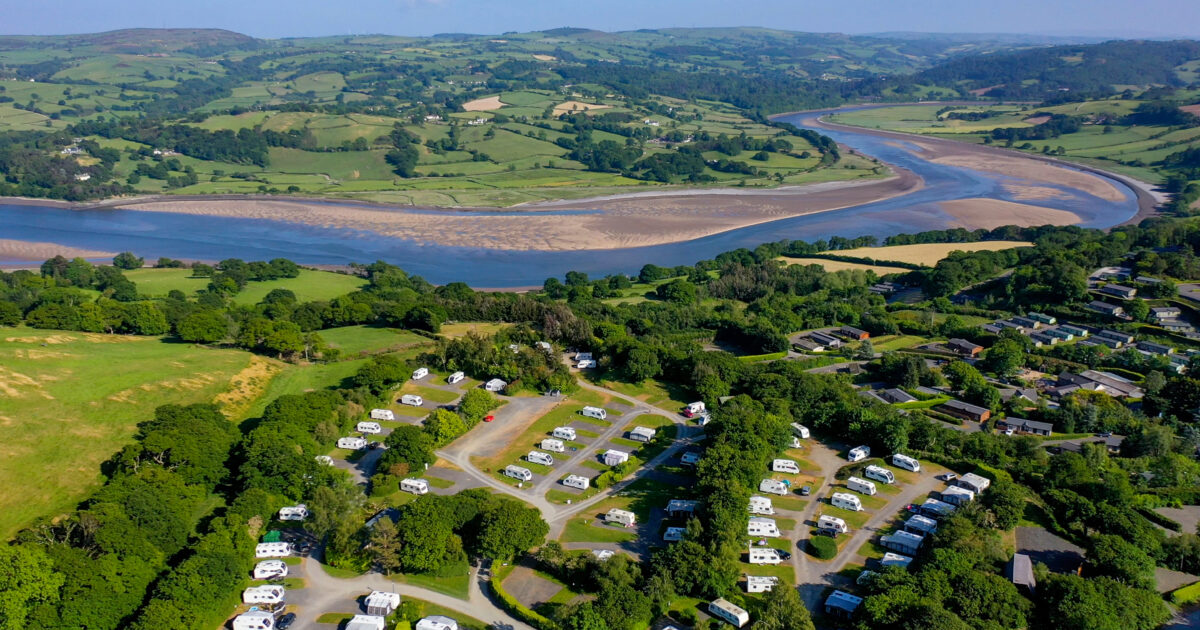
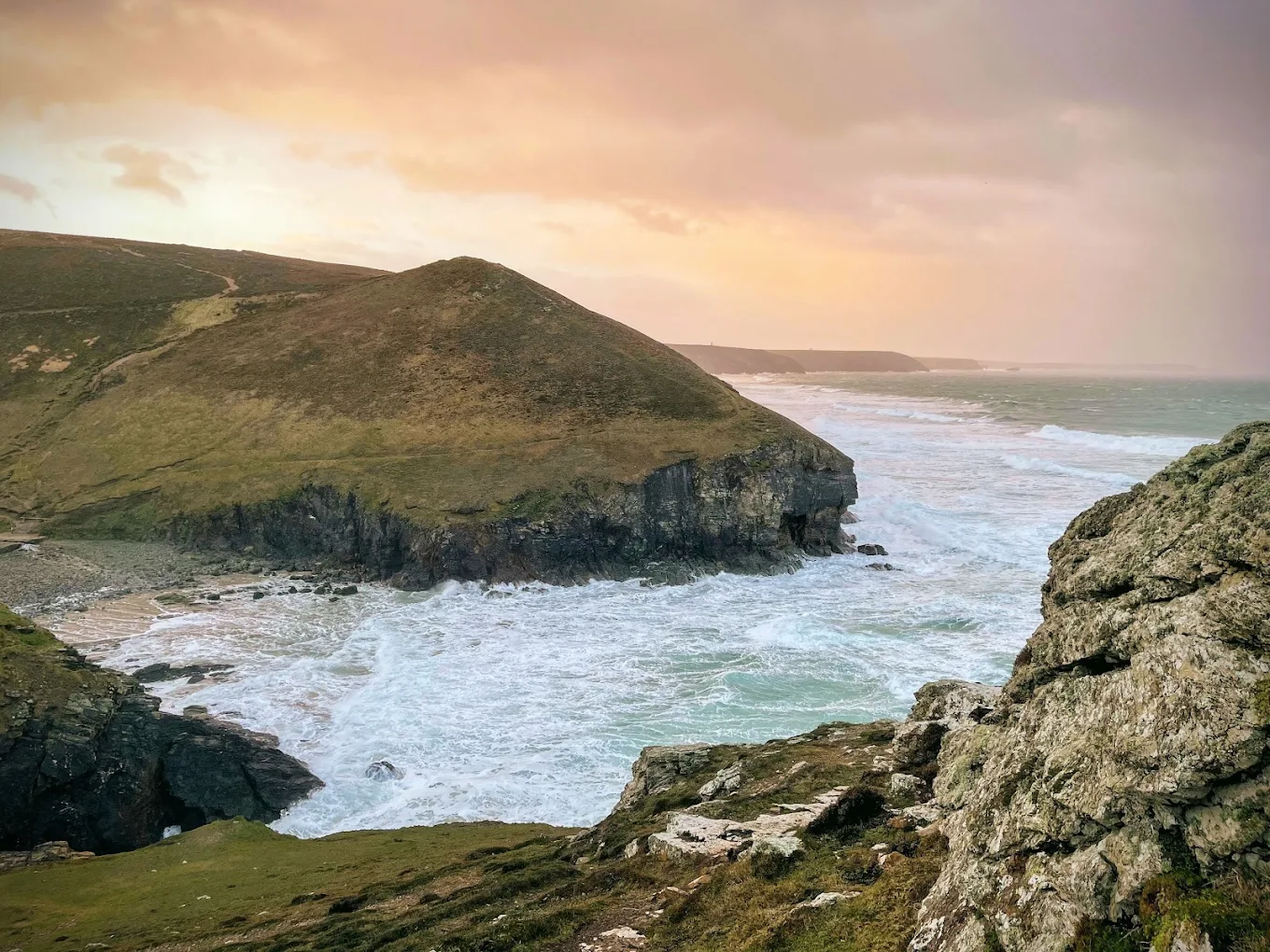
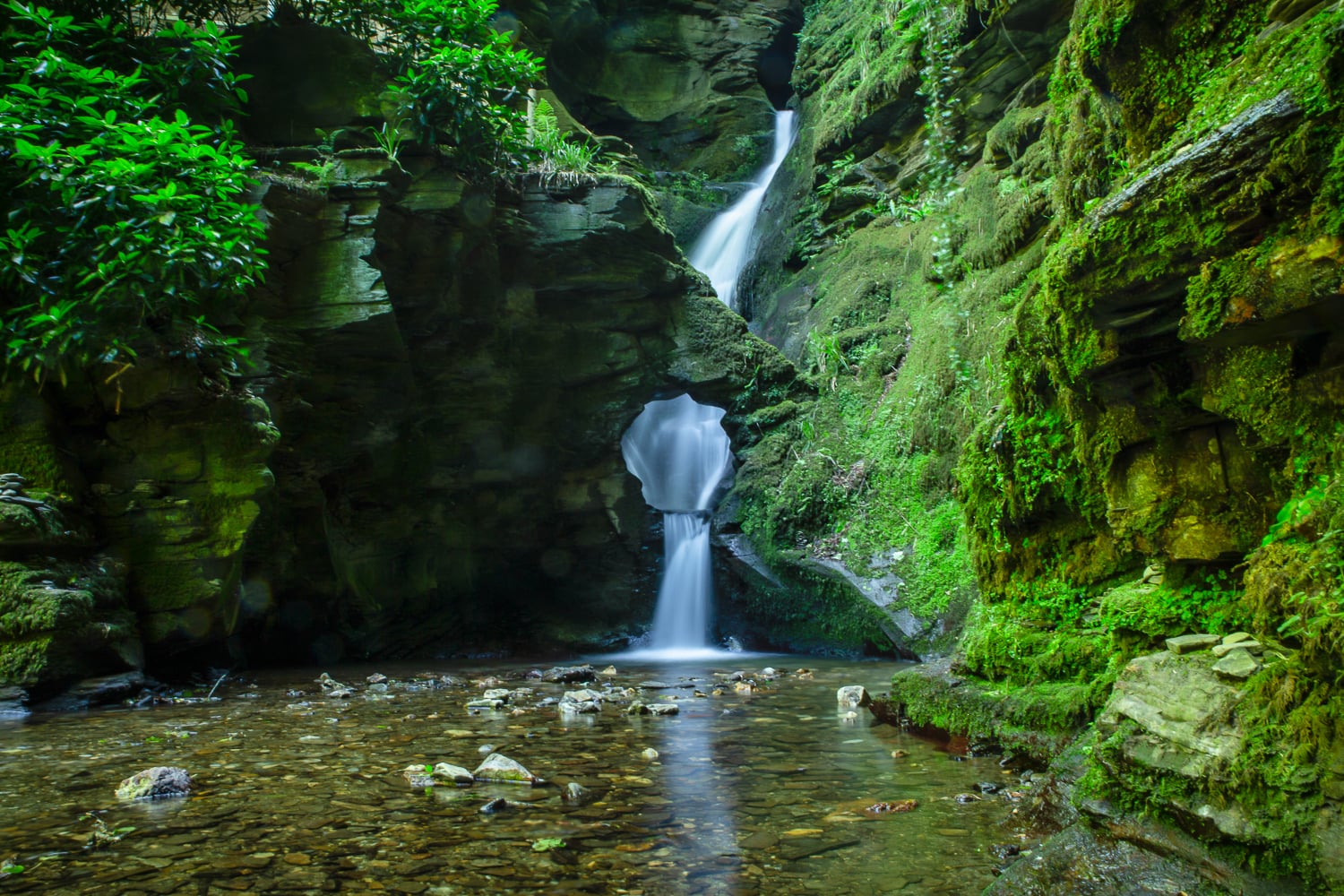
Coastal destinations like St Agnes and the St Nectan's Glen near Tintagel in Cornwall showcase the UK's softer side: dramatic cliffside views, hidden waterfalls, and paths that wind through ancient woodland and sea-carved valleys. For those seeking a more structured outdoor experience, holiday parks like Conwy Holiday Park in North Wales provide a base from which to explore the surrounding natural attractions while maintaining modern comfort and facilities. This blend of accessibility and genuine wildness makes UK nature destinations ideal for families, seasoned walkers, and anyone seeking a restorative break without traveling far from home.
The best time to visit outdoor spaces across the UK depends on what you're after. Spring and early summer bring wildflowers and longer daylight hours; autumn offers crisp air and dramatic skies; winter transforms landscapes into stark, moody scenes—beautiful for photography but demanding proper preparation. Most sites are open year-round, though coastal paths can be challenging in stormy weather, and higher moorland areas require attention to conditions. Whether you're a keen hiker, a casual family looking for a day trip, or someone seeking quiet reflection in natural surroundings, the UK's nature and outdoors category has something genuinely rewarding to offer.
Questions people ask
What's the best way to explore the UK's outdoor attractions if I'm short on time?
Many of the UK's best nature destinations cluster regionally, making it possible to explore multiple sites in a single trip. The Peak District, for instance, offers numerous walks and viewpoints within one area, while Cornwall's coastal attractions—including St Agnes Coastline and St Nectan's Glen—are within an hour's drive of each other. Base yourself at a holiday park like Conwy in North Wales for easy access to surrounding natural attractions, or plan a regional itinerary that groups similar landscapes together to maximize your time outdoors.
Do I need specialist equipment or experience to visit these natural sites?
Most UK nature destinations welcome visitors of all ability levels. Well-known sites like the Peak District National Park have clearly marked trails ranging from easy riverside walks to challenging moorland hikes, so you can choose according to your fitness and experience. Coastal paths and viewpoints often require minimal effort to reach; the Giant's Causeway, for example, is accessible via managed walkways. For more remote or challenging terrain, basic hiking boots and weather-appropriate clothing are sensible, but you won't need technical climbing or mountaineering skills for these destinations.
What should I expect weather-wise when visiting UK outdoor attractions?
The UK's weather is notoriously changeable, so layering is key year-round. Coastal areas and exposed moorland can be windier and wetter than lowland regions, so waterproof clothing is a practical investment rather than a luxury. Spring and summer typically offer the mildest conditions and longest daylight hours; autumn brings crisp air and dramatic skies; winter is cold and can bring snow to higher elevations, particularly in the Peak District. Check local forecasts before visiting and be prepared for rapid changes.
Are these nature attractions suitable for families with young children?
Many UK outdoor sites are highly family-friendly. Holiday parks like Conwy Holiday Park cater specifically to families and offer on-site facilities alongside access to natural attractions. Coastal walks at St Agnes and easy trails in the Peak District suit families with children of various ages, though supervision on cliff paths is essential. The Giant's Causeway is reachable via accessible routes, making it manageable for younger visitors. Plan shorter walks, bring snacks and water, and choose less challenging routes if you have very young children.
Is there an entrance fee to visit these natural sites?
Many of the UK's most famous natural attractions are free to visit or have minimal entrance charges. National parks like the Peak District are open-access countryside with no gate fees. Some sites with visitor centers or managed facilities—such as holiday parks or specific attractions at the Giant's Causeway—may charge for parking, facilities, or guided experiences, but the natural landscapes themselves are typically accessible at little or no cost. Check individual site websites for current information on parking and any facility charges.