


Vatnajökull National Park
Skaftafell, Iceland
Vatnajökull National Park is a sprawling wilderness in southeast Iceland centred on Vatnajökull, Europe's largest ice cap. This is a landscape of genuine contrasts: blue ice…
What it's like here
Vatnajökull National Park is a sprawling wilderness in southeast Iceland centred on Vatnajökull, Europe's largest ice cap. This is a landscape of genuine contrasts: blue ice caves in winter, volcanic peaks, black sand deserts, and thundering waterfalls all within the same vast terrain. The park sits on a UNESCO World Heritage Site, and it's one of Iceland's most visually arresting natural areas.
The glacier itself dominates the scenery, a white expanse that stretches to the horizon with a surface sculpted by wind and ice. What makes Vatnajökull distinctive is the sheer range of what you encounter here—you're moving between glacial ice and geothermal zones, between stark black sand and green moss-covered land. Rivers carved by meltwater run powerful and milky toward the sea. In winter, ice caves form within the glacier, their walls a luminous blue that feels more like another world than somewhere you can actually visit.
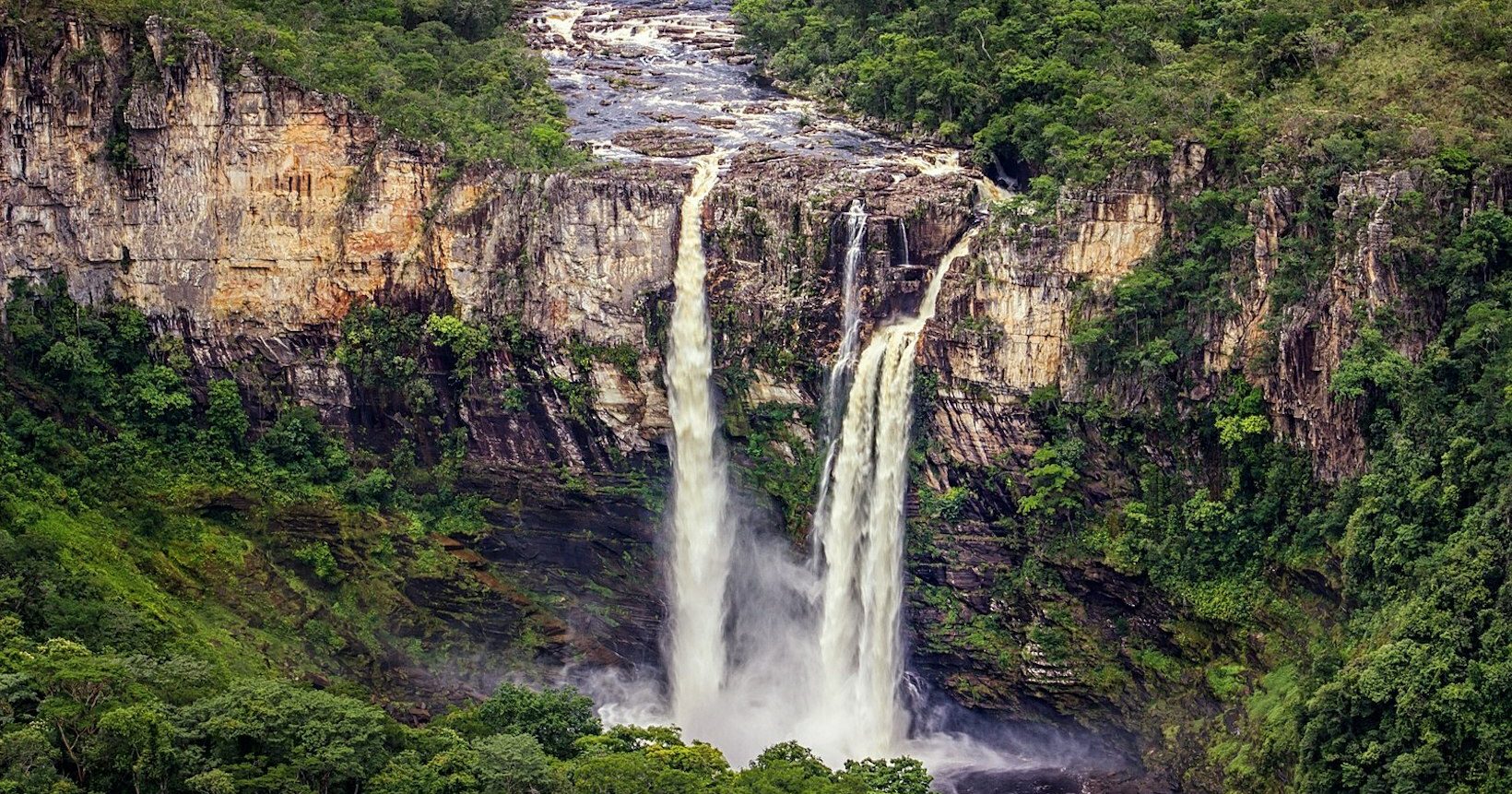
Waterfalls feature heavily in the park's appeal. Svartifoss is perhaps the most photogenic: it drops in front of distinctive basalt columns, creating a frame that photographers return to repeatedly. The Jökulsárlón glacier lagoon sits nearby, where chunks of ice float on the water's surface. These are the landmark experiences, but the park rewards exploration beyond the main attractions too—the scale is enormous, and different corners reveal different moods.
Visitors come for full-day or weekend trips. The park is accessible by car from Reykjavík via the Ring Road, and there's a visitor centre at Skaftafell with information, parking, toilets, and a café. Guided tours are available for ice cave exploration, though these are winter-only and depend on weather. Photography is allowed throughout, and the park suits solo travellers, couples, families, and groups of friends.
One thing to know: conditions here change fast. Weather is notoriously changeable, so pack for all of it. The ice caves are the main winter draw, typically accessible from November to March, but the park remains open year-round and offers scenic experiences in every season. This is not somewhere you casually drop by for an hour—plan for proper time to explore and experience the landscape properly.
Highlights
- Vatnajökull glacier, the largest ice cap in Europe
- Blue ice caves accessible in winter with guides
- Jökulsárlón glacier lagoon with floating icebergs
- Svartifoss waterfall framed by basalt columns
- Volcanic peaks, black sand deserts, and glacial rivers
Good to know
The park is open year-round, but ice caves are only accessible in winter, typically November to March, and require a guide. Weather changes rapidly here, so come prepared for all conditions. There's a visitor centre at Skaftafell with parking, toilets, and a café. The park is reached by car from Reykjavík via the Ring Road.
You might also like


Questions people ask
When can you visit the ice caves?
The ice caves are only accessible in winter, typically from November to March, and require a guided tour.
What is Vatnajökull famous for?
It's famous for Vatnajökull, Europe's largest ice cap, and its blue ice caves, glacial lagoon, volcanoes, and dramatic landscapes.
How do you get to the park?
The park is located in southeast Iceland and is accessible by car via the Ring Road (Route 1) from Reykjavík.
Attributes & facilities
Experience
Features
Last verified: August 25, 2026