

Guide
Days Out in Austria



Free
Free

Free

Free




About Days Out in Austria
Austria offers a remarkable mix of imperial grandeur, Alpine charm, and cosmopolitan culture that makes it endlessly rewarding for a day out. Whether you're drawn to Vienna's Habsburg palaces and historic crypts, the mountain landscapes of Salzburg, or the thermal springs and hidden cultural gems scattered across the regions, there's something distinctly Austrian about the way even everyday attractions feel infused with history and refinement. The country's compact size means you can often reach multiple destinations in a single day, making it ideal for exploring beyond the obvious tourist circuit.
One of Austria's greatest strengths is how it weaves together different types of experiences within reach of each other. You might spend the morning wandering through a traditional Austrian market like Kaiser-Josef-Markt in Graz, sampling local produce and street food, then shift gears entirely to visit a museum or historical site in the afternoon. The regions vary significantly in character: Vienna pulses with imperial history and world-class museums; Salzburg combines Mozart's legacy with mountain scenery and modern art institutions; Graz offers a more intimate, lived-in feel; and the smaller towns and villages of Upper Austria and Burgenland reveal a quieter, more rural side of the country.
Theme parks and family attractions are genuinely well-run here, which matters if you're traveling with children or simply want a more lighthearted day. Places like Fantasiana Erlebnispark and Familypark are designed to offer solid entertainment without the chaos you might find elsewhere in Europe. They're ideal for breaking up a cultural itinerary or when you need a change of pace from museums and historical sites.
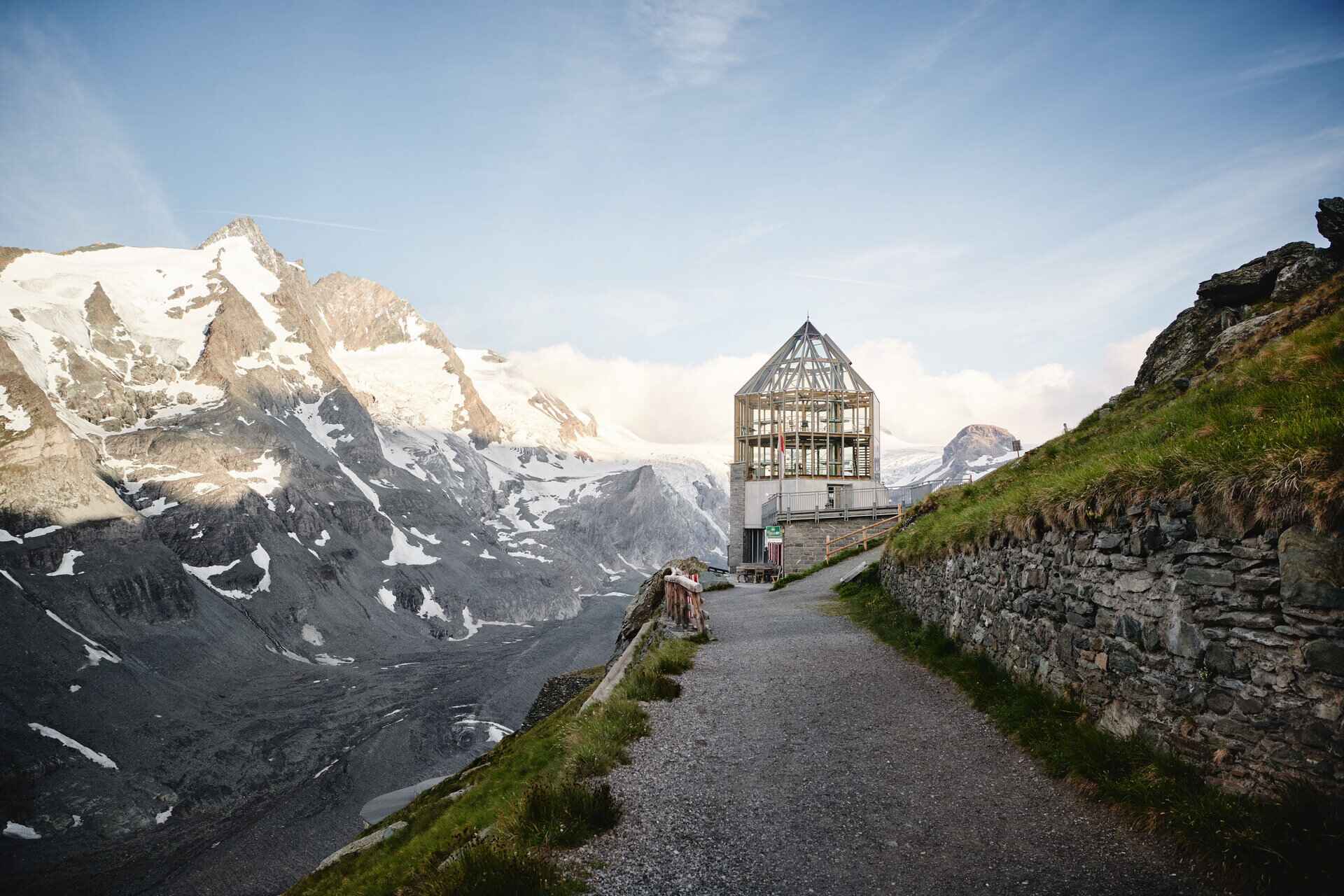
Austria is best visited in late spring through early autumn, when the weather is reliably pleasant and Alpine hiking becomes possible. Summer is peak season, so expect crowds at major attractions; shoulder seasons offer a better balance of good weather and fewer visitors. Winter transforms the country into a Christmas-market wonderland and opens up skiing, but many smaller attractions operate on reduced schedules. The country is very accessible by public transport, with trains connecting major towns reliably, so you don't need a car for most day-trip itineraries.
When choosing what to do, think about what appeals to you. History enthusiasts will gravitate toward Vienna's imperial sites and the significant historical monuments in Upper Austria. Food and market lovers should prioritize the regional markets and local food scenes. Art collectors will find excellent modern museums alongside classical collections. Families with younger children benefit from the theme parks, while older children and adults often prefer active options: hiking in the Alps, cycling along river valleys, or exploring charming town centers on foot. The beauty of Austria is that its attractions tend to be well-curated and taken seriously by locals, so even smaller or less famous days out rarely disappoint. Don't overlook regional museums and cultural centers—they often reveal the authentic character of Austrian life far better than the headline attractions do.
Questions people ask
What's the best time of year to visit Austria for a day out?
Late May through September offers the most reliable weather and access to outdoor activities, hiking, and Alpine scenery. Summer is warmest but most crowded; June and September are often better for fewer crowds. Winter is beautiful for Christmas markets and skiing but many smaller attractions have reduced hours or close entirely.
Can I visit multiple attractions in one day?
Yes, Austria's compact size makes this very feasible, especially within regions. Towns and attractions are well-connected by efficient trains and buses. A typical day might combine a market visit, a museum, and a historical site, though this depends on the specific locations and how much time you spend at each.
Are there good attractions for families with children in Austria?
Absolutely. Theme parks like Fantasiana Erlebnispark and Familypark are popular family destinations with solid facilities. Beyond that, many Austrian towns and markets are very walkable and child-friendly, and outdoor activities like easy mountain walks and riverside cycling appeal to families.
Do I need to speak German to enjoy a day out in Austria?
English is widely spoken in tourist areas, major cities, and established attractions, so you'll manage fine in Vienna, Salzburg, and Graz. In smaller towns and villages, English is less common, but staff at museums and major sites almost always have English speakers on hand.
What kind of regional differences should I expect across Austria?
Vienna is grand and imperial with world-class museums; Salzburg blends Mozart heritage with mountain beauty and modern art; Graz has a more relaxed, local character; and Upper Austria and Burgenland offer quieter, more rural experiences. Each region has distinct food specialties, landscapes, and cultural identities worth exploring.