

☁️ 10°
Guide

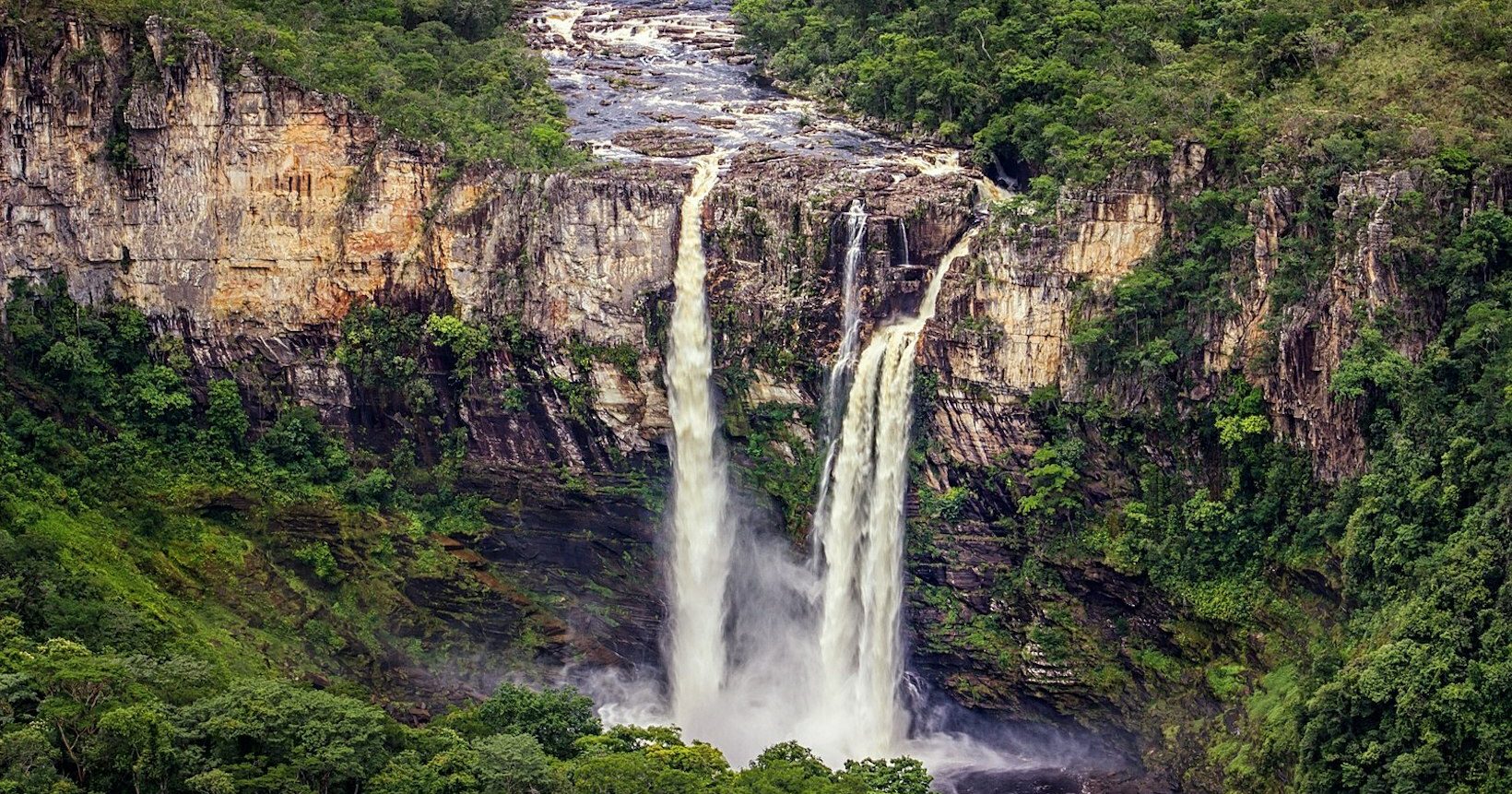


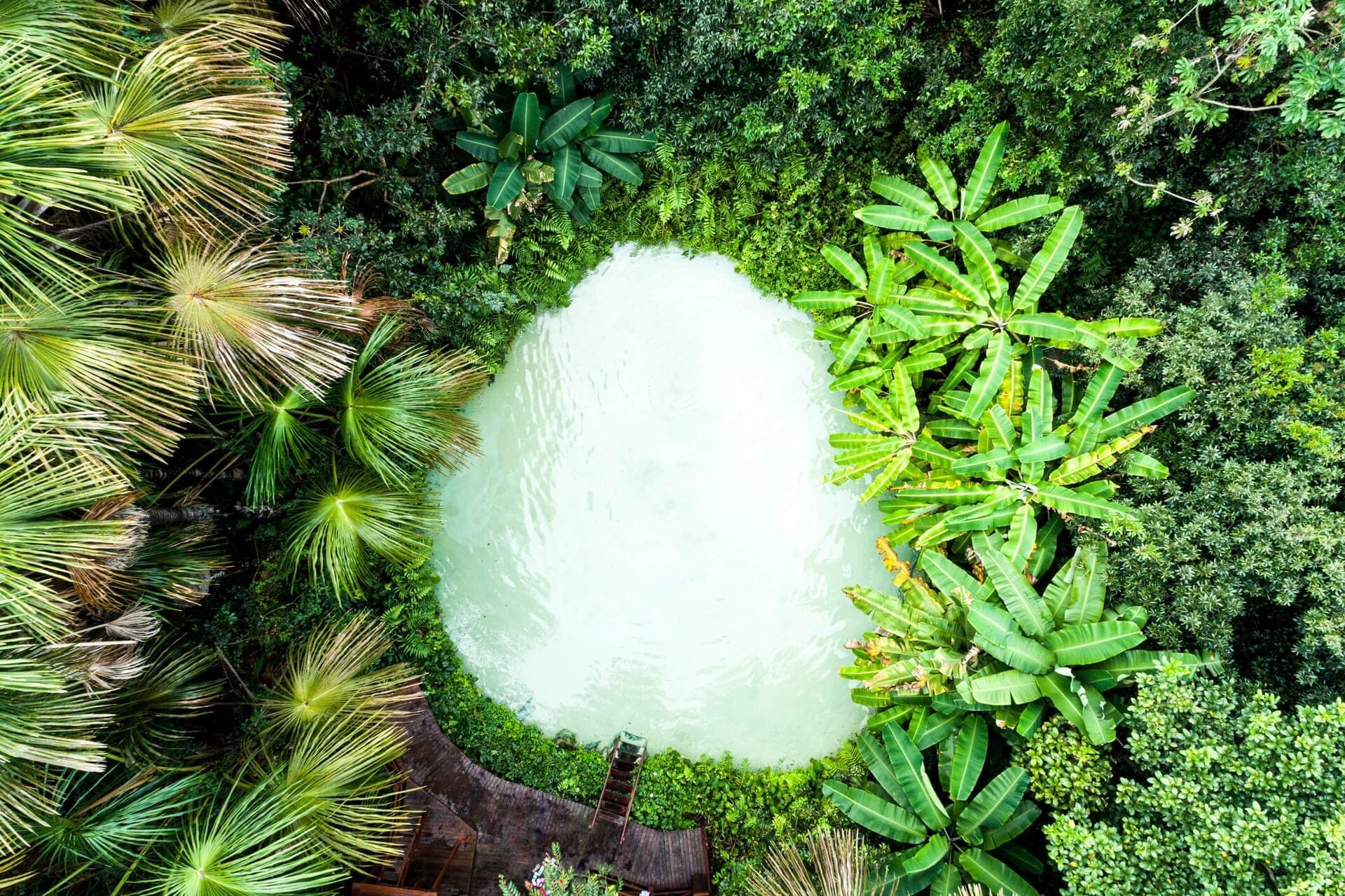

Brazil offers an extraordinary range of day trips and short excursions across its vast landscape, from thundering waterfalls and pristine national parks to colonial towns and geothermal springs. Whether you're based in a major city or exploring the interior, you'll find destinations that showcase the country's ecological diversity and cultural richness. The sheer scale of Brazil means that many of its most striking natural attractions are tucked into remote regions, making them feel like genuine discoveries rather than tourist checkboxes—yet they remain accessible to those willing to venture beyond the usual routes.
The experience of visiting these places is distinctly Brazilian: a mix of wilderness, warmth, and a relaxed approach to adventure. You might find yourself wading through turquoise pools fed by natural springs, hiking through cerrado grassland under an enormous sky, or wandering the stone streets of a centuries-old riverside town. Many destinations reward both casual visitors and dedicated explorers; some are straightforward half-day trips from nearby towns, while others benefit from an overnight stay to fully absorb their character. The best time to visit varies significantly by region and season, so planning around local climate patterns—particularly the rainy season in tropical areas—will improve your experience.
Brazil's natural attractions often feel refreshingly unspoiled compared to more heavily touristed countries, though popularity is growing. Facilities and English-language support vary widely; in well-established spots like Iguazu Falls, infrastructure is good, but in more remote areas such as Jalapão or Lençóis Maranhenses, you may need a guide or local knowledge to make the most of your visit. The country rewards curiosity and a willingness to go slightly off the beaten path—that's where you'll encounter fervedouros (natural springs), pink-sand dunes, and colonial heritage that feels genuinely rooted rather than performed for visitors.
Whether you're seeking dramatic geology, ecological immersion, cultural heritage, or simply a day away from urban life, Brazil's destinations cater to different interests and energy levels. The diversity is genuinely striking: you could stand beneath a wall of falling water one day and explore salt flats the next. Most trips require some planning—particularly around transport—but the payoff is access to landscapes and experiences that feel distinctly Brazilian and genuinely memorable.
The ideal timing depends on location and what you want to see. Many interior and northern destinations are best visited during the dry season (roughly May to October), when trails are accessible and the sky is clearer. Some regions, like the Cerrado, have distinct seasonal blooms that attract visitors at particular times. Iguazu Falls is powerful year-round, though water levels are highest in the rainy months. Always check local conditions before planning, especially for remote areas where access can be weather-dependent.
It depends on the destination. Well-established sites like Iguazu Falls have good signage and facilities, so independent visits are straightforward. However, places like the Fervedouros of Jalapão or Lençóis Maranhenses National Park benefit significantly from a local guide—both for navigation and for understanding the ecological and cultural context. Guides can also help with transport logistics in remote areas and often know the best times and routes for visiting. For colonial towns like Paraty, self-guided exploration is perfectly viable.
This varies by destination. For attractions near major cities (Paraty is accessible from Rio de Janeiro) or those with developed tourism infrastructure, you can often plan fairly last-minute. However, for remote locations like Lençóis Maranhenses or Jalapão, booking transport, accommodation, and guides in advance is strongly recommended—these areas have limited daily capacity and services. Researching seasonal access and local transport options is always worthwhile, especially outside the main tourism regions.
Major destinations like Iguazu Falls have good amenities, visitor centers, and English-speaking staff. Smaller towns and remote natural areas are less predictable; some have basic facilities and guides who speak English, while others may require more self-sufficiency. Bringing cash, downloading offline maps, and learning a few key Portuguese phrases will help. In more remote areas, hiring a local guide isn't just helpful for the experience—it's often practical necessity for safely accessing the site.
We use necessary cookies to run the site, and — only with your consent — optional cookies for analytics and, in future, advertising. See our Cookie Policy and Privacy Policy.