

🌧️ 7°
Guide

.avif)

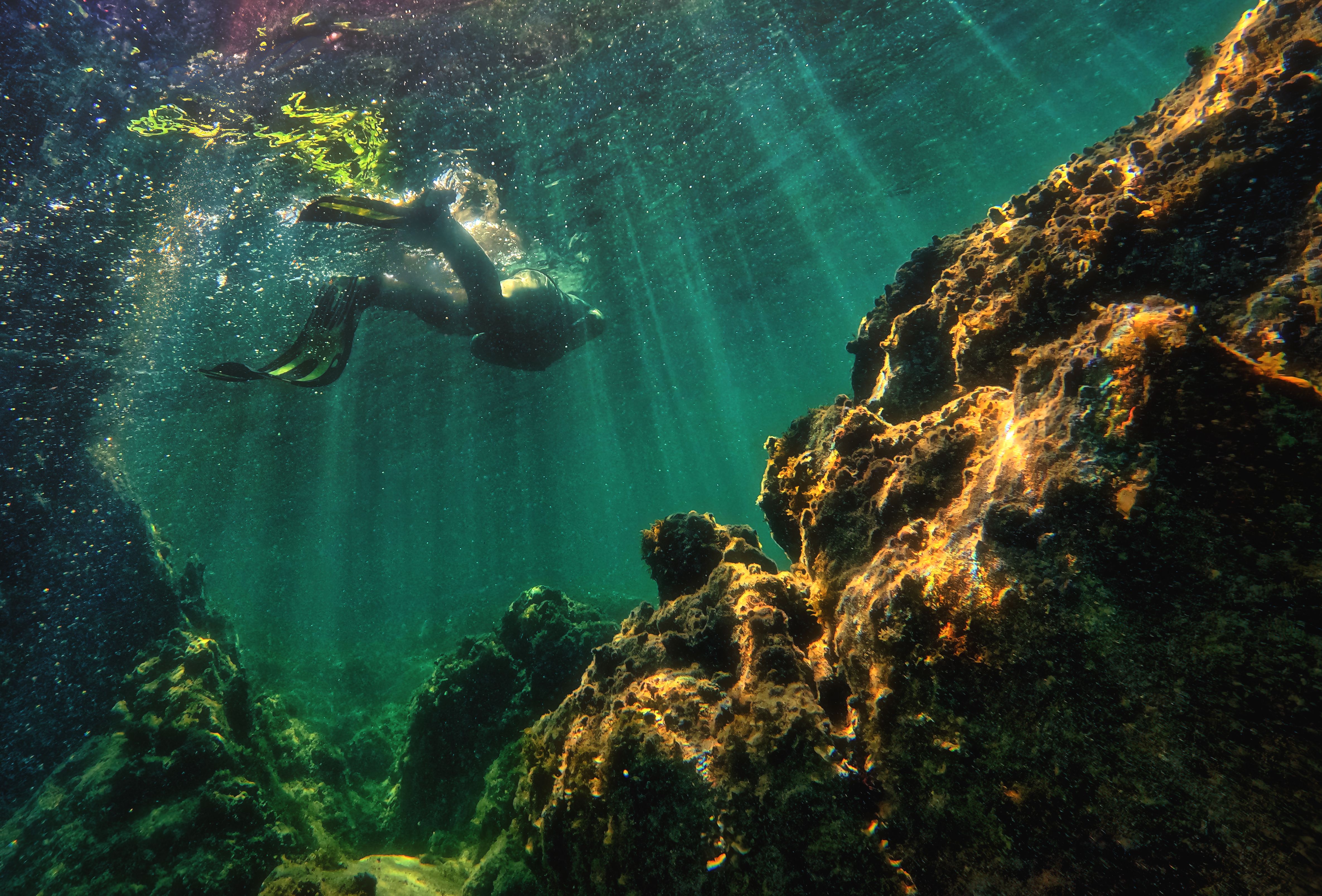


Iceland is a country where the everyday landscape feels otherworldly. Vast glaciers descend from volcanic plateaus, geothermal springs glow an almost unreal blue, and narrow canyons carved by ancient water cut through basalt cliffs. Every day out here is a conversation between you and some of Earth's rawest, most dramatic natural forces. Unlike many destinations built around human history and architecture, Iceland invites you to step directly into geology—to walk on glaciers, swim between continental plates, and stand in places shaped by fire and ice within the last few thousand years.
The country's relatively compact size and excellent infrastructure mean you can experience multiple landscape types in a single trip. You might start your morning hiking through a canyon, spend your afternoon in a geothermal pool warmed by the Earth itself, and end the day watching a glacier turn gold in the midnight sun or violet under the stars. This variety is unusual; most countries require weeks of travel to see such extreme contrasts. Iceland compresses them into a few hours of driving, making it ideal for a concentrated adventure.
What makes Iceland distinctive is its youth as a landscape. The country sits on the Mid-Atlantic Ridge, where the Earth's crust is actively being created. This means you're not just looking at ancient, weathered terrain—you're standing on geology in motion. Glacial melt has carved some of the most photogenic canyons and gorges you'll see anywhere. The combination of ice, water, and volcanic rock creates a visual intensity that photographs struggle to capture; you need to be there.
Visiting requires some practical consideration. The best weather and longest daylight hours run from June through August, though shoulder months like May and September offer fewer crowds. Winter brings shorter days but also the possibility of seeing the Northern Lights. Many sites are accessible year-round, though snow and ice can make driving challenging and some highland areas close seasonally. Come prepared for changeable weather—wind, rain, and sudden sunshine are the norm. Most major attractions are reachable by car from Reykjavik or by joining guided tours, which many visitors prefer for safety and local knowledge. Iceland suits adventurous travelers of varying fitness levels; there are gentle walks alongside challenging glacier hikes, and experiences like soaking in geothermal pools require no special ability at all.
June to August offers the warmest weather, longest daylight (nearly 24-hour daylight in June), and most accessible trails and roads. May and September provide milder conditions with fewer tourists. Winter (November to March) brings shorter days and weather challenges, but the trade-off is lower crowds and the chance to see the Northern Lights. Many outdoor sites remain accessible year-round, though some highland areas close seasonally due to snow.
Yes. Iceland's compact size and good road network mean you can see multiple landscape types in 3-5 days. For example, you could combine a glacier hike at Skaftafell, a swim in the Silfra Fissure between tectonic plates, a visit to Stuðlagil Canyon, and time in a geothermal pool like the Blue Lagoon. Most sites are within a few hours' drive of each other or Reykjavik, making day trips or multi-day loops very feasible.
No special skills are required for many Icelandic attractions. Geothermal pools like the Blue Lagoon are accessible to anyone who can swim or float. Canyons like Stuðlagil often have easy walking trails. That said, glacier hikes, canyon scrambles, and longer treks do require reasonable fitness and proper footwear, and some activities may involve heights or slippery terrain. Most tour operators offer options at different difficulty levels.
Many sites are safe to visit solo, especially major attractions and those accessed by marked trails or roads. However, weather changes rapidly, terrain can be challenging, and remote areas have no cell service. Many travelers choose guided tours for safety, local expertise, and the social experience—particularly for glacier hikes, canyon explorations, or activities involving water. Always check weather forecasts, tell someone where you're going, and come prepared for sudden conditions.
Bring waterproof and windproof outer layers, as weather is unpredictable and often wet and windy. Sturdy hiking boots with good grip are essential for icy or rocky terrain. A swimsuit is useful if you plan to visit geothermal pools. Sunscreen, sunglasses, and a hat protect against sun reflection off ice and water, even on cloudy days. Bring more layers than you think you'll need—Iceland's temperature swings are common, and wind chill is significant.
We use necessary cookies to run the site, and — only with your consent — optional cookies for analytics and, in future, advertising. See our Cookie Policy and Privacy Policy.