

Free
Guide

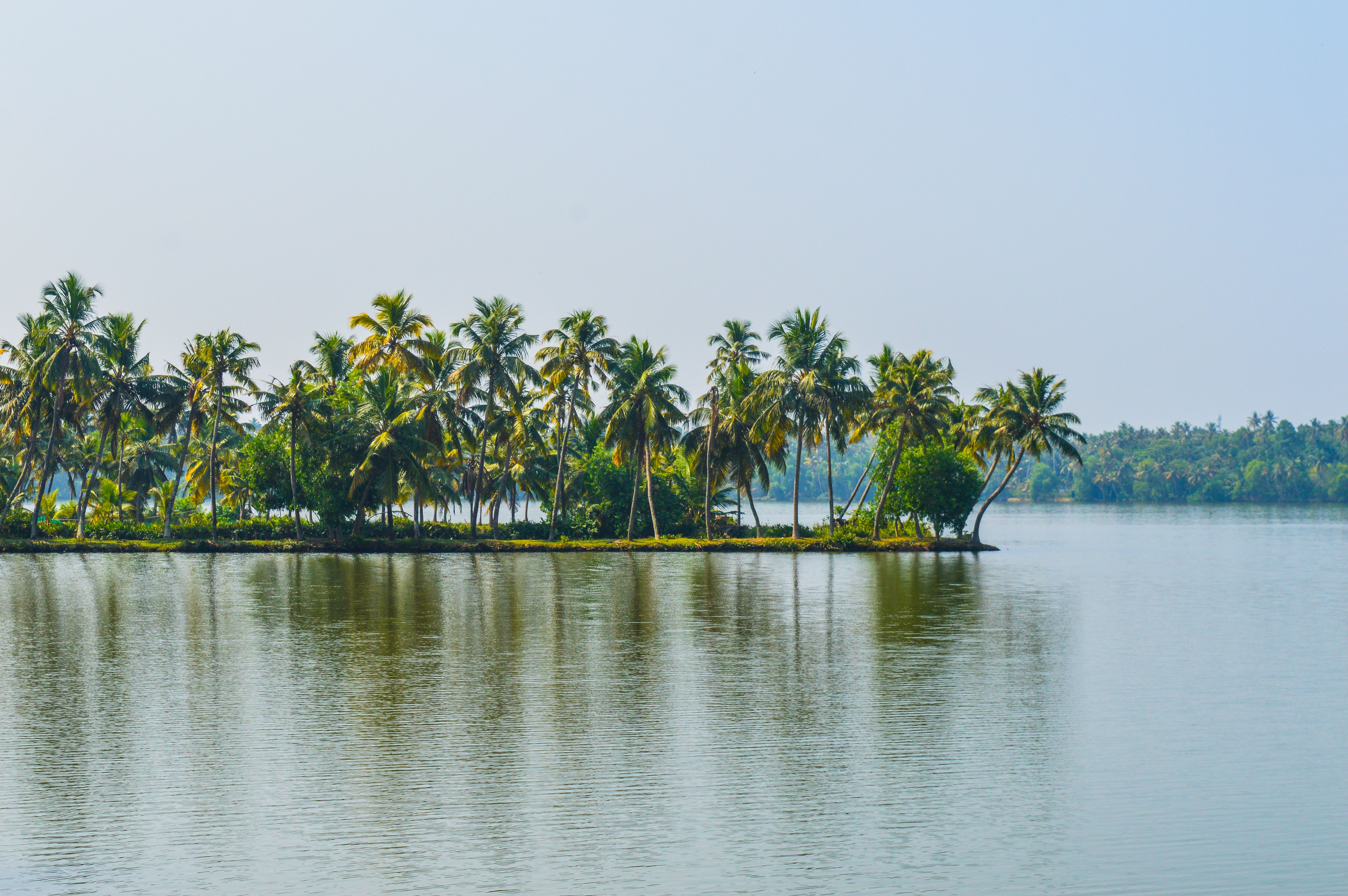
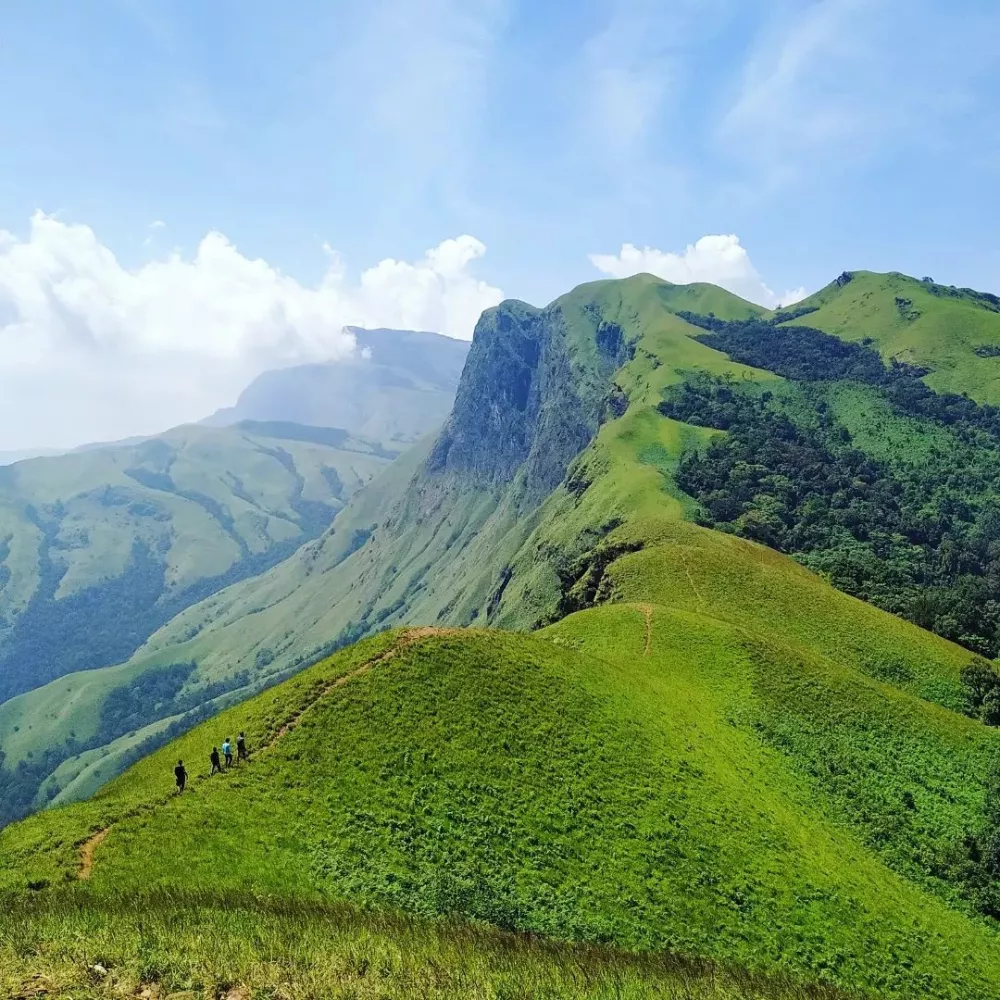
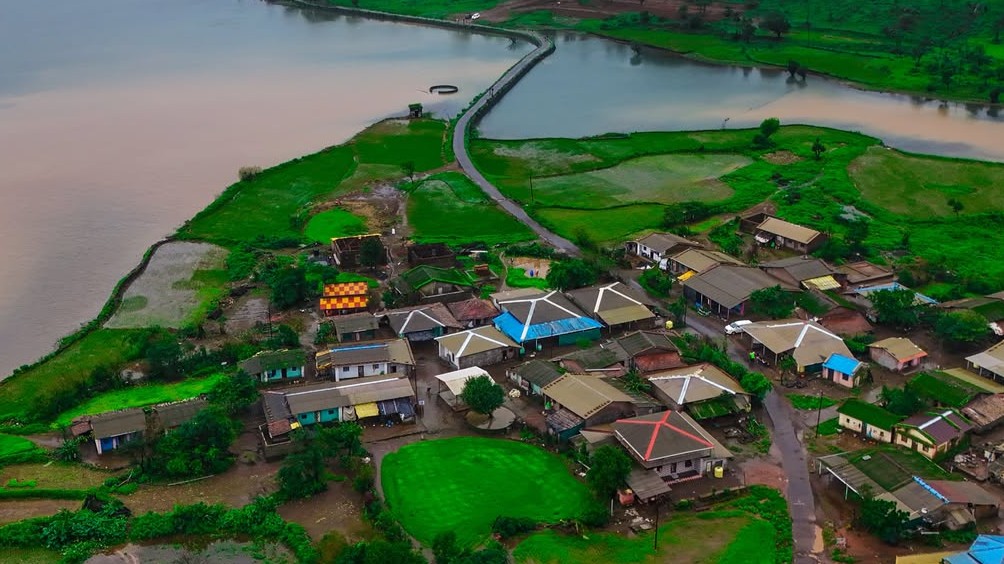

India's landscape is a study in contrasts, where lush green valleys meet arid high-altitude deserts, and sprawling backwaters give way to misty mountain tea gardens. For anyone seeking outdoor adventures and natural beauty, the country offers an extraordinary range of experiences within reach of a single day or weekend trip. Whether you're drawn to tropical greenery, dramatic mountain vistas, or the serene rhythm of water, India's diverse regions each have their own distinctive character and appeal. The key is knowing where to go and what season suits your plans, since India's geography spans everything from coastal Kerala in the south to the remote Himalayas in the north, each with its own climate and best visiting windows. Most outdoor experiences here reward early starts and a willingness to embrace the landscape as it comes—monsoons transform valleys into emerald paradises, while dry seasons reveal stark, sculptural mountain terrain. The infrastructure varies from well-trodden tourist trails with established facilities to more remote spots that demand a bit more preparation, so the experience you choose depends partly on your appetite for adventure and comfort level. What makes outdoor exploration in India particularly rewarding is the sheer biodiversity and scale; you're not just visiting a pretty view, but stepping into ecosystems shaped by geography, climate, and centuries of cultivation. Tea plantations like those around Munnar in Kerala show how human activity and nature coexist in these hillside settings, while valleys such as Spiti offer landscapes so otherworldly they feel almost untouched by time. Even spaces like the Lavhalwadi Backwaters near Akole in Maharashtra provide intimate contact with local waterways and the communities that depend on them, transforming a simple outing into something more immersive and memorable. For most visitors, the best strategy is to pick one or two regions rather than trying to cover the whole country, allowing time to acclimatise, move slowly, and actually absorb the environment rather than rushing between postcard moments. The outdoors in India reward patience and genuine curiosity.
The ideal window depends on your region. Kerala and the southern tea plantations like Munnar are at their best from October to May, when it's cooler and drier after the monsoon; the monsoon itself (June to September) transforms these areas into vivid green landscapes if you enjoy rain and fewer crowds. The Himalayas, including Spiti Valley, are accessible mainly from May to October, with July and August bringing cloud and occasional storms. High-altitude valleys like Spiti can see snow and are often inaccessible in winter. For backwaters like Lavhalwadi, post-monsoon (September to February) offers calm waters and good visibility.
Difficulty varies widely across India's outdoor spots. Munnar's tea plantations and Kerala backwaters are relatively gentle and suit all fitness levels, with short walks and boat rides. Mountain peaks like Netravati in Chikmagalur and trekking in Spiti Valley demand moderate to serious fitness and acclimatisation, particularly at higher elevations. Most day trips don't require specialist equipment, though sturdy footwear, sun protection, and plenty of water are essentials everywhere. Local guides are widely available and recommended, especially for less-trodden routes.
It depends on your location and the destination. Munnar and Kerala backwaters work as multi-day experiences to appreciate them properly, though day trips are possible from nearby towns. Netravati Peak and other mountain spots often suit day hikes if you start early. Spiti Valley is remote and typically requires at least 2-3 days to experience meaningfully; the landscape and villages are too spread out for a single day. Lavhalwadi Backwaters can be explored as a day trip if you're based nearby, but an overnight stay lets you see the area at dawn and dusk.
Essentials include sturdy hiking boots or good walking shoes, sun cream (UV is strong), a hat, and at least 2 litres of water per person. Lightweight, breathable clothing that covers arms and legs protects against sun and insects. For higher altitudes like Spiti, layers are vital since temperatures drop significantly. A small first aid kit, insect repellent, and a basic rain jacket are wise additions. For backwater trips, pack light, quick-dry clothing and waterproof bags. Always check local forecasts and talk to guides about what's genuinely necessary for your specific destination.
Yes, with the right choice of spot. Kerala backwaters and Munnar tea plantations suit families and beginners well, with gentle terrain and established facilities. Shorter trails around these areas are manageable for children and those with limited outdoor experience. Spiti Valley, Netravati Peak, and remote mountain regions demand more experience, better fitness, and acclimatisation to altitude. Many destinations offer guided group tours or family-friendly package options that handle logistics and safety, which can be ideal if you're new to outdoor travel in India.
We use necessary cookies to run the site, and — only with your consent — optional cookies for analytics and, in future, advertising. See our Cookie Policy and Privacy Policy.