

Free
Guide




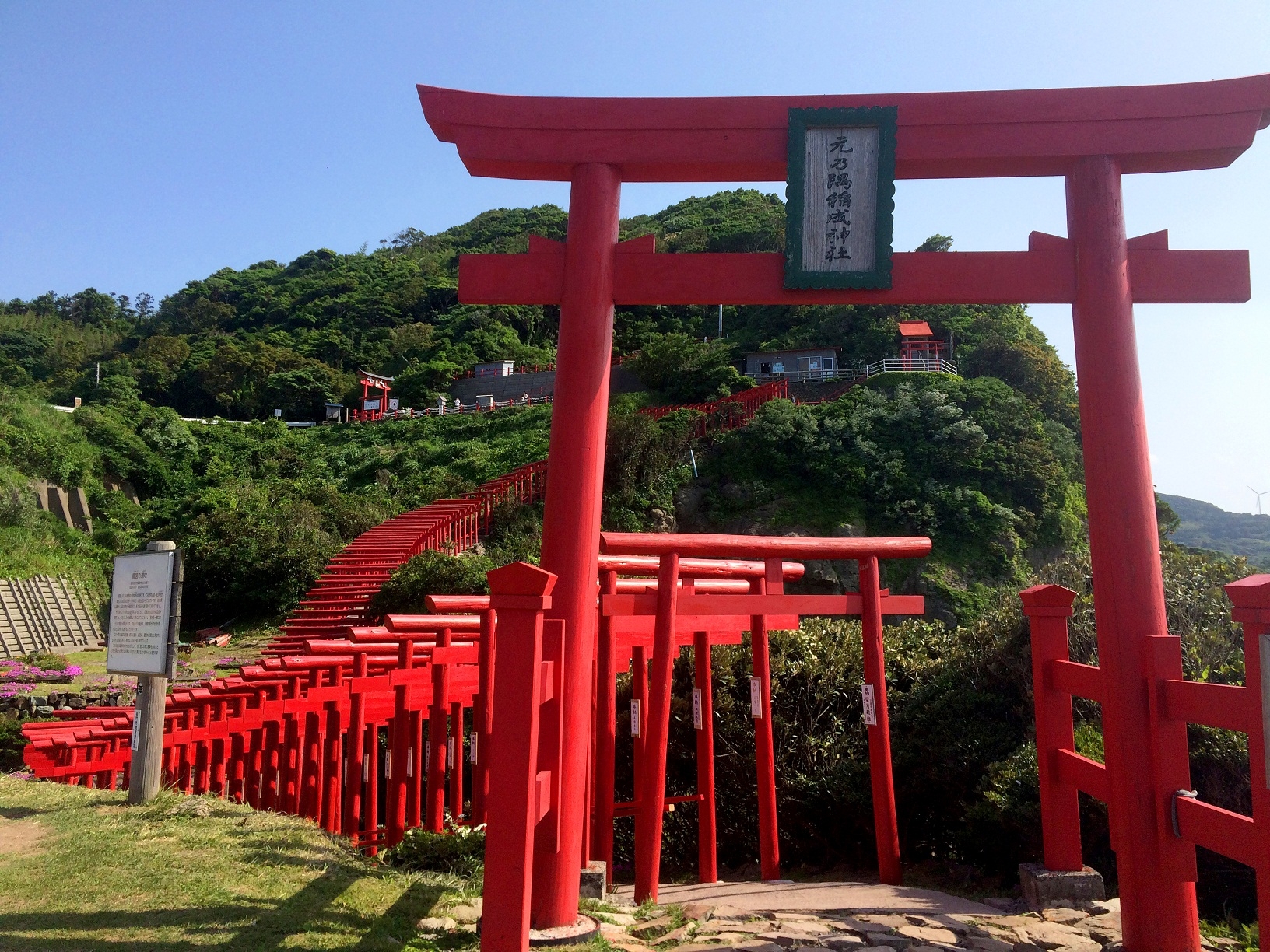


Japan's approach to preserving and presenting its past is unlike anywhere else in the world. Walk into a centuries-old shrine and you're not entering a museum piece frozen in time, but a living space where ritual and reverence continue much as they did generations ago. The country has an extraordinary ability to weave ancient tradition seamlessly into modern life, and that duality is felt everywhere when you visit these cultural landmarks. Whether you're standing before a massive bronze Buddha, wandering through a village where traditional farmhouses still shelter families, or discovering contemporary art housed in a building that feels like architecture itself, you're experiencing something deeply rooted yet perpetually evolving.
What makes Japan's cultural sites so compelling is the sheer range of what's preserved and celebrated. You might spend a morning exploring an ornate shrine complex where every architectural detail carries symbolic meaning, then find yourself in a cutting-edge museum where Japanese and international artists push creative boundaries. Historic villages like Shirakawa-go offer glimpses of rural life as it existed centuries ago, with steep-roofed farmhouses designed to withstand heavy snow. Meanwhile, places like the Benesse House Museum on Naoshima show how Japan integrates fine art into natural island settings, creating experiences that blur the line between gallery and landscape.
The experience of visiting these sites is tactile and contemplative. Many encourage you to move slowly, observe carefully, and sit with what you're seeing rather than rush through. A temple visit might involve removing your shoes, crossing a threshold into quieter air, and noticing how light filters through wooden lattice work. An open-air museum lets you wander among sculptures and installations set against hillside views, encouraging you to find your own path rather than follow a prescribed route. Even heavily visited sites like the Kotoku-in Great Buddha in Kamakura maintain a sense of reverence and calm, despite the crowds.
Choosing between these experiences depends on what draws you. If you're interested in spiritual heritage and architectural mastery, shrine complexes reward close attention to detail and symbolic design. Art museums suit those wanting to see how contemporary Japanese and global artists work, and how Japan's design sensibility shapes even modern galleries. Historic villages appeal to visitors wanting tangible connection to how people actually lived, with the added benefit of often being set in scenic areas. Some sites, like Itsukushima Shrine, gain power from their natural settings, making the visit as much about landscape and atmosphere as about the structure itself.
Timing matters when planning these visits. Major sites draw crowds, particularly during cherry blossom season and autumn foliage season, but visiting during these times is worth it if you can manage it. Many sites are accessible year-round, though mountain villages can become harder to reach in heavy winter snow. Early mornings often reward you with quieter experiences, especially at popular shrines and temples. Japanese cultural sites frequently have modest entry fees, and many offer English signage or rental audio guides that enhance understanding without requiring a tour group.
These places work best when you give yourself time to absorb rather than tick off a checklist. A half-day visit can feel rushed; a full day allows you to sit, observe, return to spaces that moved you, and let the experience settle. Some visitors find spiritual resonance in these spaces regardless of their own religious background, while others are drawn purely by aesthetics, history, or artistic merit. The depth you find is often matched by the patience and attention you bring. Japan's cultural landmarks reward slow looking and quiet reflection, making them ideal for anyone seeking experiences that go beyond sightseeing.
Spring (March-May) and autumn (September-November) are peak seasons when cherry blossoms and fall colours create stunning backdrops and weather is mild. However, these periods also bring the most visitors. Winter offers quieter experiences, though some mountain villages like Shirakawa-go can be difficult to reach in heavy snow. Summer is hot and humid. Consider visiting in shoulder seasons if you prefer fewer crowds.
No. Major cultural attractions like Kotoku-in Great Buddha and Itsukushima Shrine have English signage and often provide audio guides in multiple languages. Smaller temples and historic villages may have less English information, but visual beauty and atmosphere don't require translation. Learning a few basic phrases is always appreciated by locals.
Yes, but they're typically modest. Shrines and temples usually charge between 300-1,000 yen (roughly £2-7 or $2.50-8.50 USD). Museums and specialized attractions like the Benesse House Museum or Hakone Open-Air Museum charge higher fees, usually 1,500-3,000 yen. Some shrine grounds are free to walk through, with fees only for entering certain buildings or viewing specific features.
Absolutely. Sites are spread across different regions—Nikko Toshogu is in Tochigi, while Itsukushima Shrine is near Hiroshima—but Japan's excellent train system makes connections straightforward. You could combine nearby sites like the Kotoku-in Great Buddha in Kamakura with the Hakone Open-Air Museum, both in Kanagawa, in a single day trip from Tokyo.
Dress respectfully but there are no strict rules for general visitors. Remove shoes when entering temple buildings or homes. Avoid very revealing clothing, especially at active religious sites. Comfortable walking shoes are essential since you'll often be removing them, walking on various surfaces, and may explore grounds extensively. Check specific site guidelines beforehand for any particular dress codes.
This varies by your interest level. A major shrine complex like Nikko Toshogu rewards at least two to three hours of exploration. Museums like the Benesse House Museum might take three to four hours. The Kotoku-in Great Buddha can be seen in an hour, though many visitors linger. Historic villages like Shirakawa-go work best as half-day or full-day visits to truly experience the atmosphere.
We use necessary cookies to run the site, and — only with your consent — optional cookies for analytics and, in future, advertising. See our Cookie Policy and Privacy Policy.