

Free
Guide


Malaysia offers an extraordinary range of experiences within a compact, accessible geography. Whether you're drawn to dramatic limestone formations, dense rainforests teeming with unique wildlife, or UNESCO-listed colonial architecture, there's something genuinely distinctive waiting. The country's mix of cultures, cuisines, and landscapes means a single trip can take you from the spiritual atmosphere of ancient caves to the colonial streets of a centuries-old port city, then deep into some of Southeast Asia's most pristine natural reserves. What makes Malaysia particularly rewarding for days out is how varied experiences sit within reasonable travelling distance: you can explore iconic landmarks in Selangor one day, then venture into the cave systems and jungles of Sarawak's national parks the next. The infrastructure is generally well-developed, making independent travel straightforward, and the sheer biodiversity—from cave-dwelling creatures to proboscis monkeys found nowhere else—creates genuine moments of discovery even for seasoned travellers.
The best time to visit depends on which region you're exploring. Peninsular Malaysia (including Selangor and Penang) experiences its driest spell roughly from December to March, while Sarawak's weather is more variable year-round, though the wet season from November to March can impact some activities. Humidity is constant across the country, so lightweight, breathable clothing is essential whenever you go. Most major sites are accessible to visitors of varying fitness levels, though some cave systems and jungle trails do require a reasonable level of mobility and comfort with heat and humidity. Food is a major part of any Malaysian day out: expect incredible street food, fusion hawker stalls, and dishes that blend Malay, Chinese, and Indian influences in ways you won't find elsewhere.
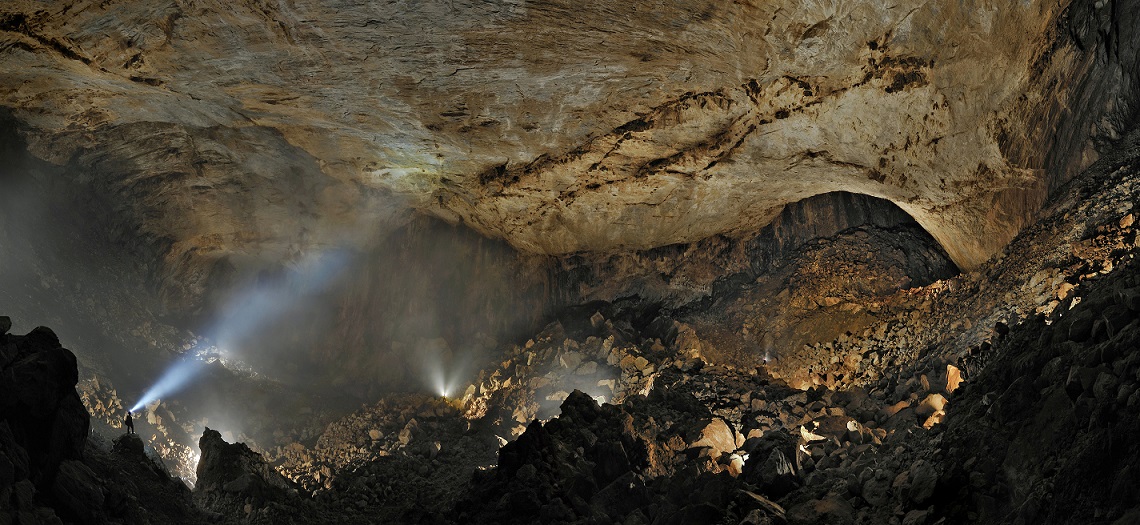
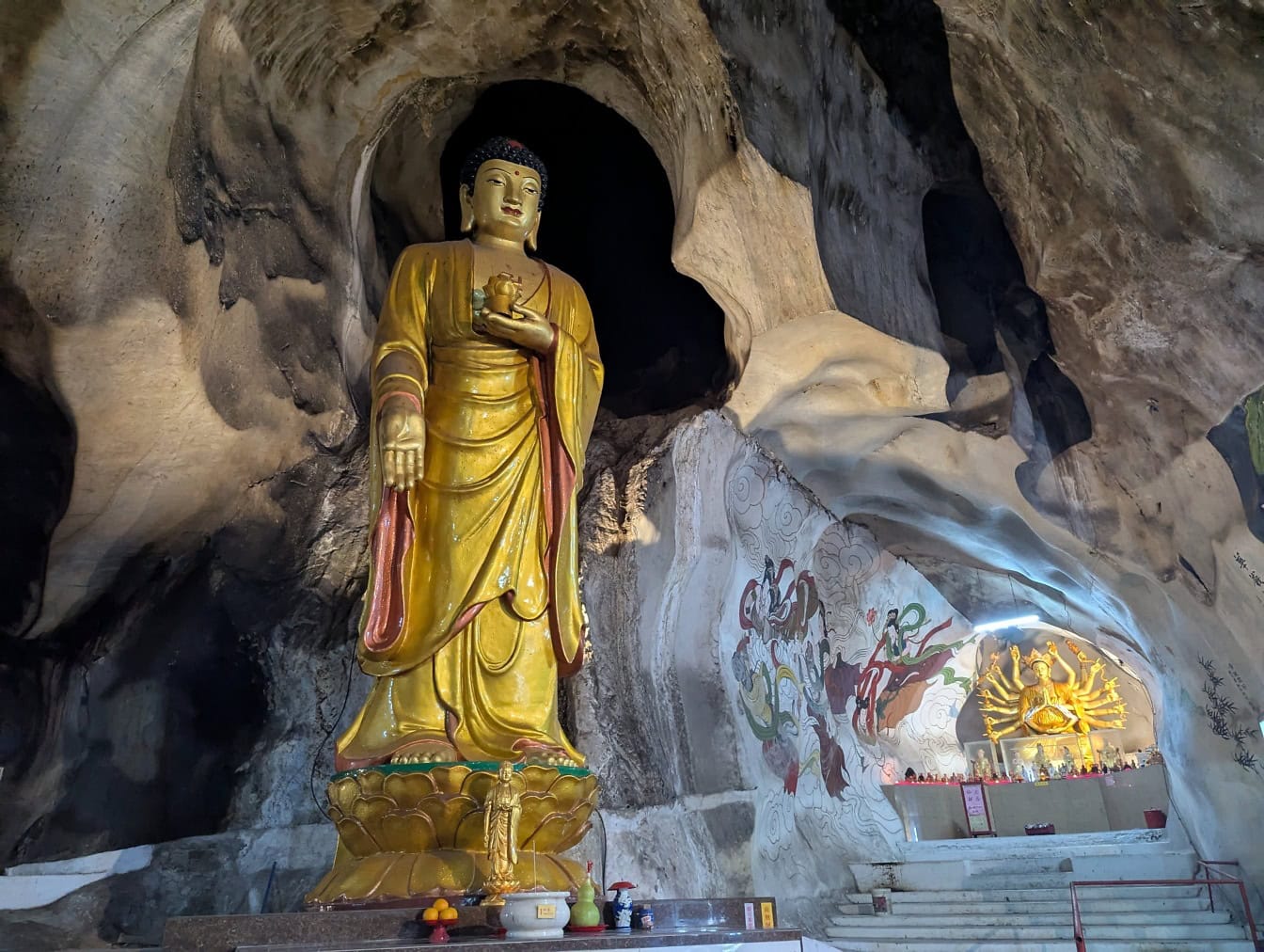
Batu Caves stands as one of the most recognisable landmarks, a massive limestone cave temple that draws both pilgrims and curious visitors. George Town in Penang offers a tangible sense of Malaysia's multicultural history, with streets lined with heritage shophouses, temples, and the living texture of a port city that's been central to the region for centuries. For those seeking wilderness, Bako National Park near Kuching showcases rainforest ecosystems with remarkable wildlife viewing opportunities, while the cave systems around Mulu National Park near Miri—including the astonishing Sarawak Chamber—represent some of the world's most significant underground landscapes. Each destination carries its own character, and together they reveal why Malaysia rewards both quick visits and extended exploration.
Malaysia has a well-developed network of buses, trains, and domestic flights that make it relatively easy to move between regions. In Selangor around Kuala Lumpur, public transport and taxis are reliable. For Sarawak's national parks, most visitors book organized tours or hire guides locally, as independent access can be limited. Having a rough itinerary helps, but the country is flexible enough to allow spontaneous detours.
Popular sites like Batu Caves are walk-up friendly, though visiting early in the day avoids crowds. Guided cave and jungle tours, particularly in Sarawak's national parks, benefit from advance booking, especially during peak seasons. Many can be arranged through your accommodation or local tour operators once you arrive, but booking ahead gives you more control over timing and group size.
Lightweight, moisture-wicking clothing, good walking shoes or trainers, sun protection (hat, sunscreen, sunglasses), and a reusable water bottle are essentials. If visiting caves, wear closed-toe shoes for safety. A light rain jacket or umbrella is useful year-round, and insect repellent helps in jungle and park settings. Modest clothing (covering shoulders and knees) is respectful when visiting temples and heritage sites.
Yes—Batu Caves, George Town, and Bako National Park all accommodate families well. Most sites have varying levels of difficulty, so you can tailor experiences to your children's ages and interests. The main consideration is heat and humidity, so plan activities around midday heat, stay hydrated, and take breaks. Local food is generally family-friendly, though some children may find very spicy dishes challenging.
Malaysia is relatively affordable. Entry fees to most natural attractions and caves are modest, typically in the range of a few ringgit to under £10. Guided tours, meals at hawker stalls, and local transport are all budget-friendly. Accommodation varies widely depending on your comfort level, but mid-range options are excellent value, making extended trips very achievable for budget-conscious travellers.
We use necessary cookies to run the site, and — only with your consent — optional cookies for analytics and, in future, advertising. See our Cookie Policy and Privacy Policy.