

Guide
Relaxation & Wellness Days Out

Free
☀️ 13°

☀️ 13°

☁️ 12°

☀️ 13°
☁️ 10°
Free
Free
Free


About Relaxation & Wellness Days Out
Sometimes the best day out is one where the main aim is to do very little at all. Relaxation and wellness destinations offer a different kind of travel experience—one centred on slowing down, recharging, and stepping away from the everyday. Whether you're seeking the therapeutic warmth of geothermal waters, the restorative calm of a garden setting, or the unique comfort of an unconventional retreat, these places cater to a simple but powerful desire: to feel better.
What makes wellness destinations distinctive is that they combine multiple elements of care and comfort. A truly restorative visit rarely relies on a single activity. Instead, you might move between heated pools and cooler plunges, find time to wander quiet grounds, enjoy simple food, and spend hours in an unhurried state. The best ones understand that wellness isn't just physical—it's about creating the conditions for mental rest too. This might mean beautiful natural surroundings, thoughtful design, or the simple absence of crowds and noise.
Geothermal spas draw visitors for obvious reasons: there's something profoundly soothing about immersing yourself in naturally heated mineral water. Iceland's Blue Lagoon and Japan's Kurokawa Onsen both tap into this ancient appeal, though in very different ways. Iceland's geothermal landscape creates waters rich in minerals and set in a otherworldly terrain, while Japanese onsens like those in Kurokawa carry centuries of bathing tradition and typically offer a more intimate, understated experience. Europe's larger thermal complexes, such as Therme Erding in Bavaria, expand the concept with multiple pools, saunas, and wellness facilities under one roof, suited to families or those wanting variety within a single visit.
Gardens offer a quieter form of wellness. Norrviken Gardens in Sweden demonstrates how cultivated outdoor spaces can provide genuine restoration—the act of walking through thoughtfully designed landscapes, noticing plants and water features, and breathing outdoor air has measurable calming effects. This approach suits anyone who finds peace in nature but prefers the structure and beauty of a garden setting over wilderness.
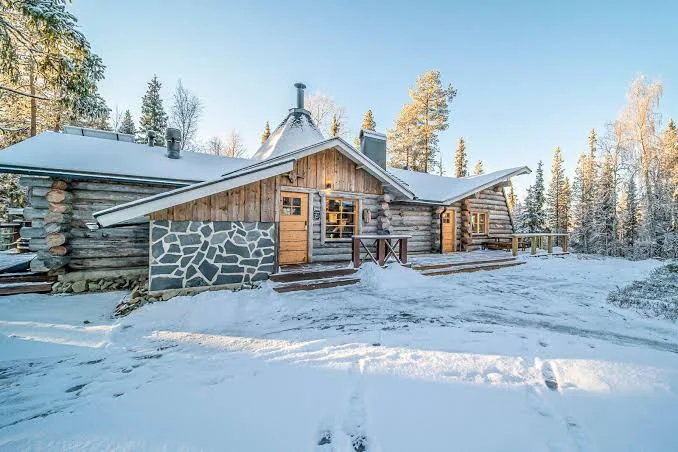
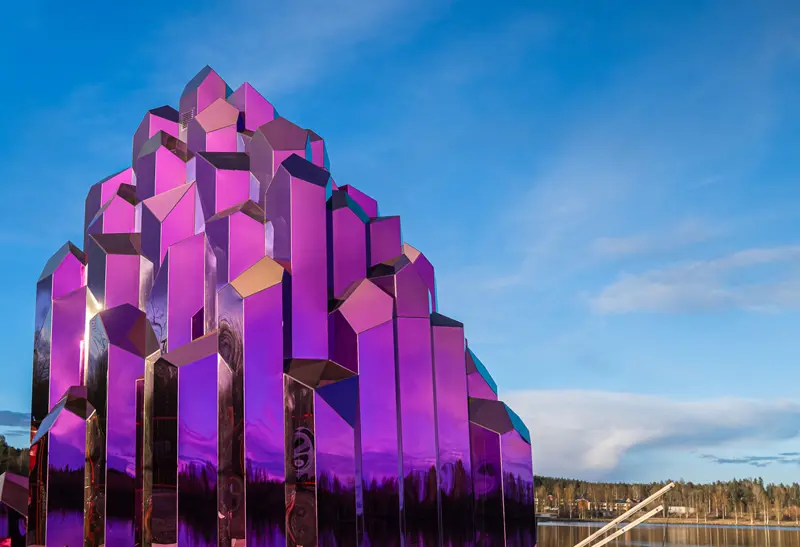
For those seeking something more immersive or unusual, retreat-style stays blur the line between a day out and a longer escape. Sweden's Treehotel and ICEHOTEL offer distinctly different environments—one nestled in forest canopy, the other in arctic snow—yet both create memorable, restorative experiences through their very unusualness. Staying overnight in such places can deepen the sense of stepping outside normal life, though many offer day-visit options too.
Choosing between these kinds of destinations depends on what resonates with you. Do you crave warmth and water, or are you drawn to visual beauty and walking? Are you seeking solo restoration or a shared experience with family or friends? How much time do you have, and what's your budget? Thermal spas work well for shorter visits and suit anyone, while garden retreats suit a slower pace and those with mobility to walk. Unconventional stays reward those willing to embrace novelty. The best time to visit varies by location—thermal facilities operate year-round, but gardens peak in warmer months, and northern experiences like the ICEHOTEL are seasonal winter attractions.
Whatever you choose, the essence of a good wellness day out is permission: permission to prioritise comfort, to move slowly, and to do things simply because they feel good. These destinations make that easy.
Questions people ask
What's the difference between a thermal spa and an onsen?
Both offer naturally heated mineral water, but onsens are rooted in Japanese bathing tradition and typically emphasize simplicity, etiquette, and seasonal appreciation. Thermal spas like Therme Erding are usually larger facilities offering multiple pools, saunas, and wellness treatments in one complex. Onsens, such as those in Kurokawa, tend to be smaller, more intimate, and often operate on principles of respect for shared space and natural surroundings. The experience differs: a spa visit is often more about variety and amenities, while an onsen visit is about ritual and tranquility.
Are these destinations suitable for families with children?
Many are, but it varies. Large thermal spas like Therme Erding are explicitly family-friendly with multiple pool types and activities. Gardens like Norrviken work well for families who enjoy walking together. Overnight stays like Treehotel appeal to families seeking adventure and novelty. However, some traditional onsens have specific etiquette and may be quieter environments. It's worth checking individual venues for age policies, facilities, and whether the pace and activities suit your family's preferences.
What's the best time of year to visit these destinations?
Thermal facilities and hotels operate year-round and often feel particularly good in cold months when contrast between indoor warmth and outdoor air is greatest. Gardens peak in spring and summer when plants are in bloom and weather is pleasant for walking. Unique experiences like ICEHOTEL are seasonal winter attractions. If you're combining multiple types of visits in one region, autumn and spring offer mild weather and often fewer crowds than peak summer.
Can you visit these places for just a few hours, or do they require a full day?
It depends on the destination. Thermal spas can be enjoyable in three to four hours, though many people stay longer. Gardens like Norrviken work well for two to three hours of leisurely wandering. Onsens can be experienced in two to three hours if you're focused on bathing. Overnight experiences like Treehotel and ICEHOTEL are designed for longer immersion, though some offer day visits—check in advance if a short visit interests you.
Do I need to book in advance?
Thermal spas and gardens typically welcome walk-ins but may have capacity limits during peak season or weekends. It's safer to book ahead, especially if visiting in summer or on holidays. Onsens vary; some accept walk-ins while others prefer advance booking. Overnight stays like Treehotel and ICEHOTEL require booking months ahead, especially in peak season, as accommodation is limited. Booking ahead also gives you peace of mind and often better access to facilities.