

Abandoned amusement park, Paranormal site, Historic landmark
Lake Shawnee Amusement Park
From USD 40 8
Guide





.jpg)
There's something deeply satisfying about stepping away from the expected. The world is full of places that defy easy categorisation—attractions born from bold ideas, historical legacies, or simply the determination of someone to create something unlike anything else. These are days out that stay with you, not because they tick boxes on a standard itinerary, but because they offer genuine experiences you won't find anywhere else.
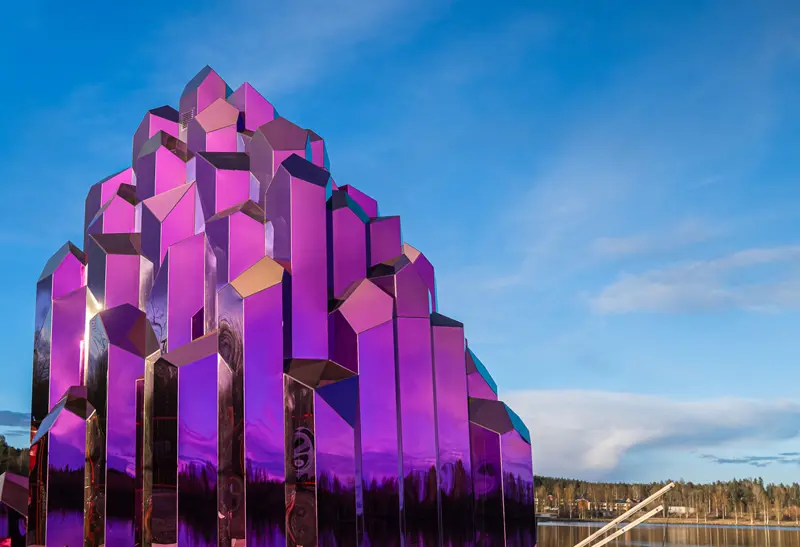
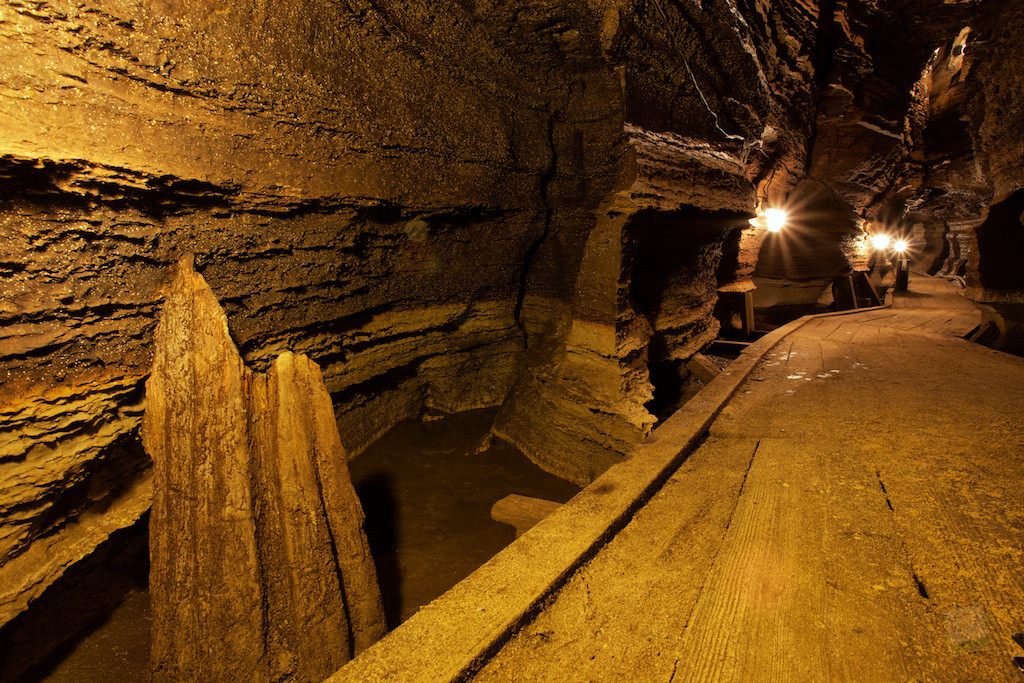
Unusual attractions draw people precisely because they're different. Whether it's spending a night sleeping inside an ice structure, climbing through a treehouse hotel in the Swedish forest, or descending into a cave system to explore geological wonders, these places offer more than photo opportunities. They're opportunities to engage with the world in unexpected ways, to test your sense of adventure, and to discover why certain places have captured imaginations enough to warrant a journey.
The range of unusual days out is broader than you might think. Some tap into industrial heritage—the kind of place that takes you underground into an old mine and shows you how people actually worked and lived. Others are architectural marvels that achieve something genuinely difficult: the Håverud Aqueduct in Sweden, for instance, is a feat of engineering that still impresses visitors over a century after its construction. Some unusual attractions are more theatrical in nature, combining history with atmosphere in ways that standard museums simply can't replicate.
What makes these places work isn't novelty for its own sake. The best unusual attractions succeed because they're rooted in something real: a genuine geological feature like a cave system, actual history embedded in a landscape, or a creator's authentic passion for building something remarkable. This authenticity is what transforms a gimmick into a genuine day out worth planning around.
Choosing between unusual attractions depends partly on what kind of experience appeals to you. Are you drawn to nature-based curiosities, architectural oddities, or historical explorations? Do you prefer active, immersive experiences or more contemplative visiting? Some unusual places work better in particular seasons—an ice hotel has its own particular appeal in winter months, while cave visits are comfortable year-round. Consider too who you're visiting with: some attractions suit families, others appeal more to adults seeking something off the beaten path, and a few work best for thrill-seekers or photography enthusiasts.
The practical side matters too. Unusual attractions sometimes require more planning than conventional days out. Access may be seasonal, or visits might need to be booked in advance. Weather can play a bigger role—you'll want to check conditions before heading to remote or exposed locations. But this extra effort is often part of what makes them memorable. The journey becomes part of the experience, and the fact that you went to some effort to get there deepens the satisfaction of arrival.
Ultimately, unusual days out appeal to people who are curious about the world beyond the obvious. They're for visitors who'd rather have one memorable, quirky experience than visit five predictable attractions. They offer chances to test your comfort zone, learn something unexpected, and return home with stories that prompt real conversation rather than polite nods. In a world increasingly designed around what's proven to work, there's genuine value in seeking out places that took a different path entirely.
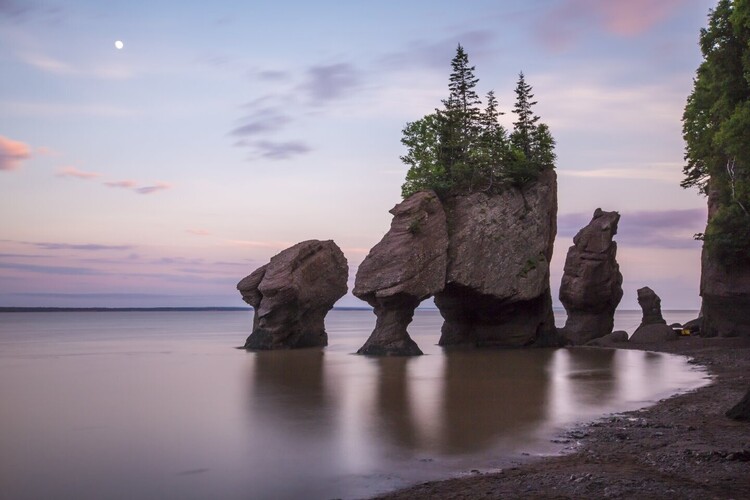
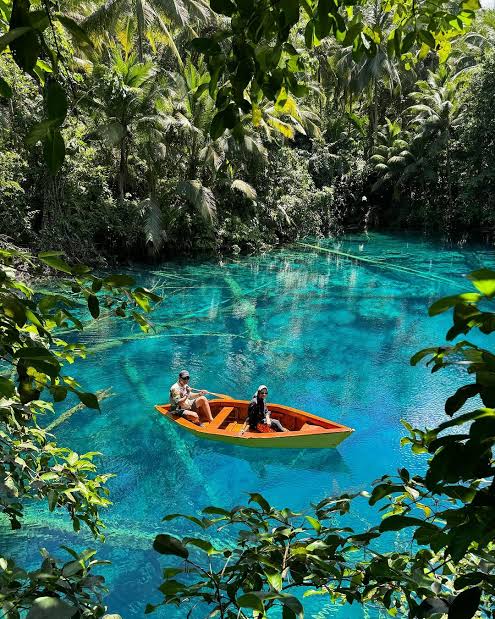
The collection spans diverse categories: natural wonders like cave systems, engineering achievements such as historic aqueducts, accommodation-based experiences like treehouses and ice hotels, industrial heritage sites including old mines, and atmospheric historical attractions. Each offers a distinctly different type of day out, so you can choose based on what appeals to you most.
It depends on the specific place. Some attractions have age restrictions or physical demands—cave visits require reasonable fitness, while ice hotels appeal to visitors of all ages but are best appreciated by those comfortable with cold. Always check individual venue details for age suitability, physical requirements, and whether facilities accommodate children before booking.
Many unusual attractions, particularly unique accommodation or experiences with limited capacity, benefit from advance booking. This ensures availability and often gives you better rates. Booking ahead also lets you check seasonal opening dates and any weather-related closures, which are more common for certain types of unusual venues.
Timing depends on the specific place. Winter is ideal for ice-based experiences, while caves and mines maintain consistent conditions year-round and are comfortable to visit any time. Other attractions may have seasonal variations—check opening times and weather suitability before planning your visit.
Simple day visits to caves or historical sites might only need a week or two of planning, but more specialised experiences like ice hotels or remote treehouses often require booking several weeks ahead, especially during peak seasons. Checking directly with venues gives you the most accurate availability.
We use necessary cookies to run the site, and — only with your consent — optional cookies for analytics and, in future, advertising. See our Cookie Policy and Privacy Policy.