
Guide
Nature & Outdoors in Austria
Free

Free


About Nature & Outdoors in Austria
Austria's landscape is a masterclass in natural drama. From the towering Alps that dominate the west to the gentler valleys and waterways of the east, the country offers some of Europe's most varied and accessible outdoor experiences. Whether you're drawn to high-altitude panoramas, dramatic gorge walks, crystal-clear mountain lakes, or cascading water features, Austria delivers the kind of scenery that justifies the journey. The country's excellent infrastructure and compact size mean you can experience radically different environments within a few hours' drive, making it ideal for outdoor enthusiasts who want variety without extensive travel.
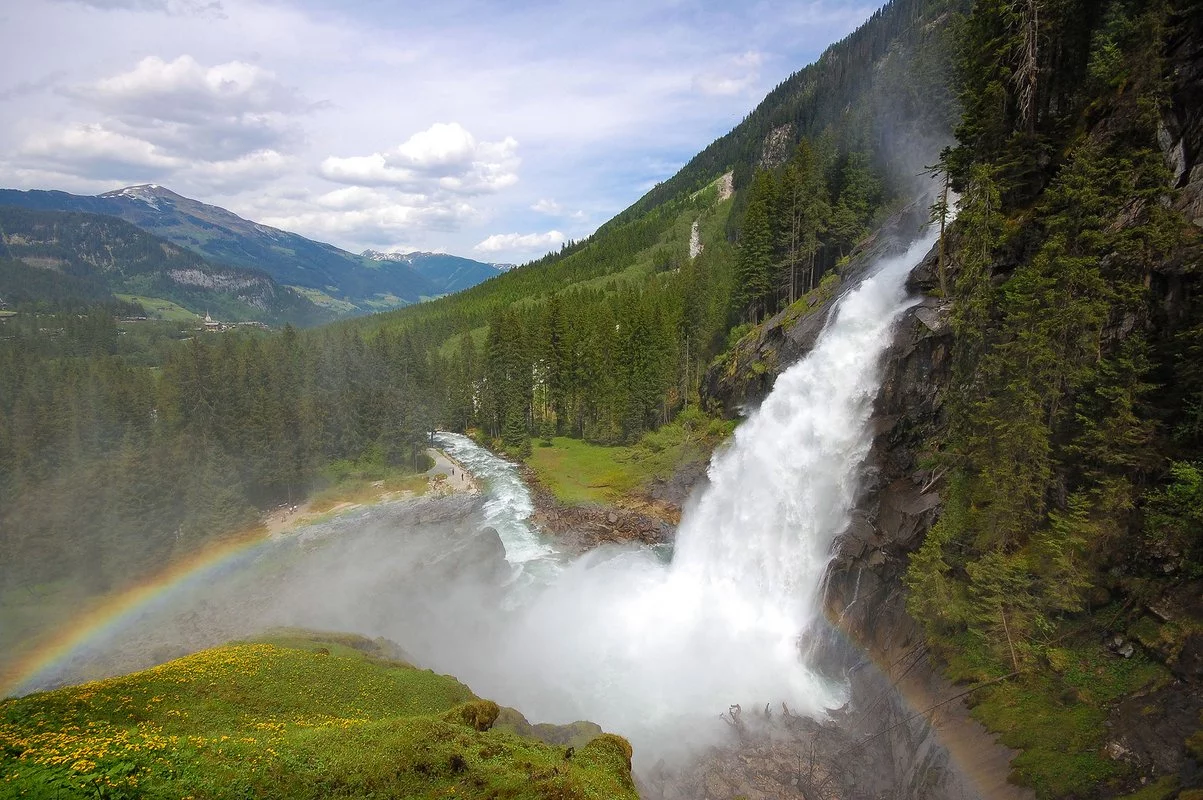
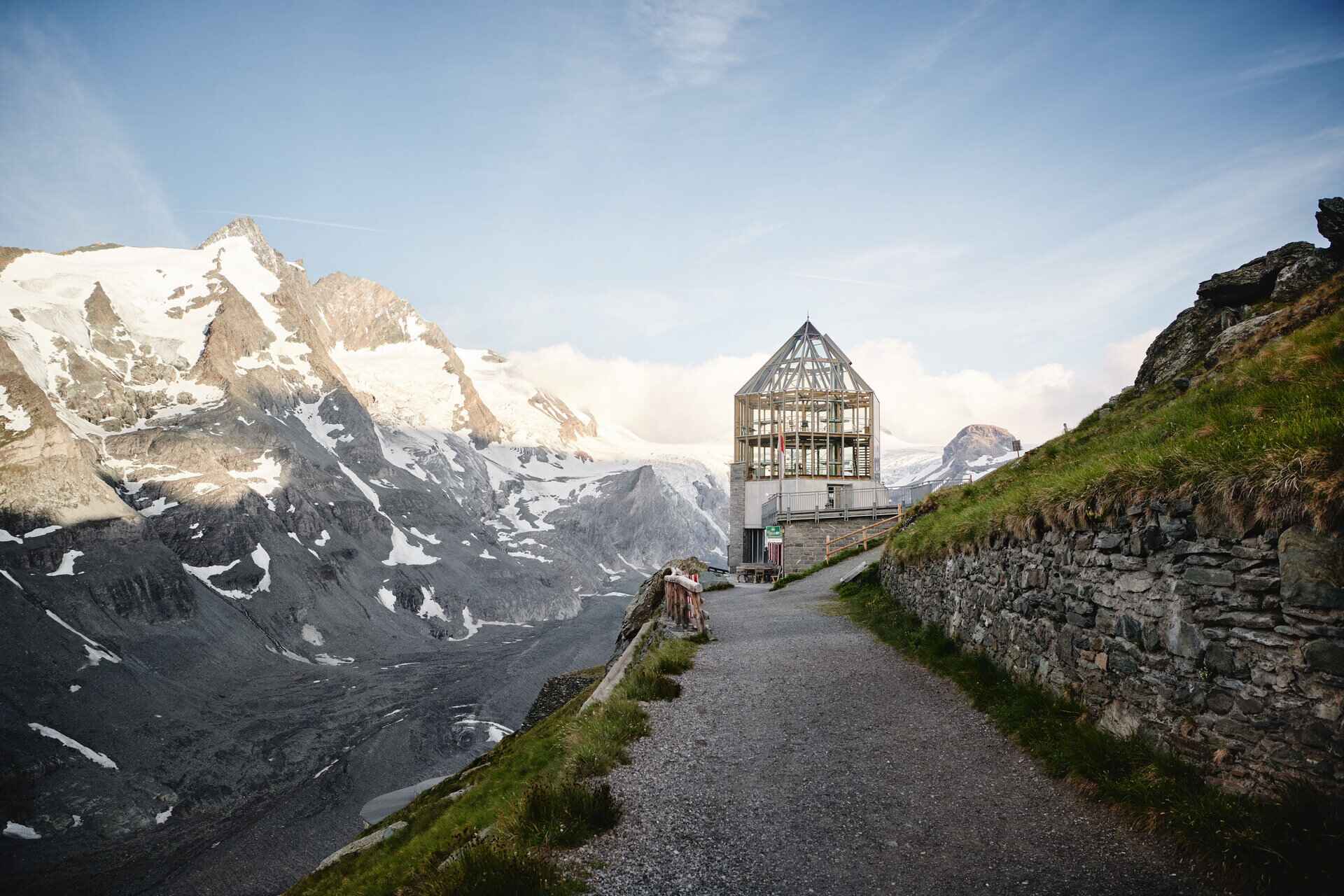
The Austrian Alps form the backbone of adventure here, with legendary routes like the Grossglockner High Alpine Road offering one of the continent's most spectacular driving experiences. But the appeal extends far beyond motorists; the surrounding regions are criss-crossed with hiking trails, from casual forest walks to serious alpine routes. Summer is the obvious season, when mountain passes clear and the weather turns reliably warm, though autumn brings fewer crowds and dramatic light. Spring sees waterfalls at full force as snowmelt feeds rivers and cascades.
What makes Austria distinctive is how accessible its wilderness feels. Major attractions like Green Lake—famous for its ethereal, luminous waters—sit within striking distance of cities, yet feel completely removed from everyday life. Gorges like Wolfsklamm near Stans showcase the raw geological power of the landscape without requiring technical climbing skills. Palace parks offer a different flavour of outdoor experience: manicured gardens and grand estates where you can stroll without breaking a sweat.
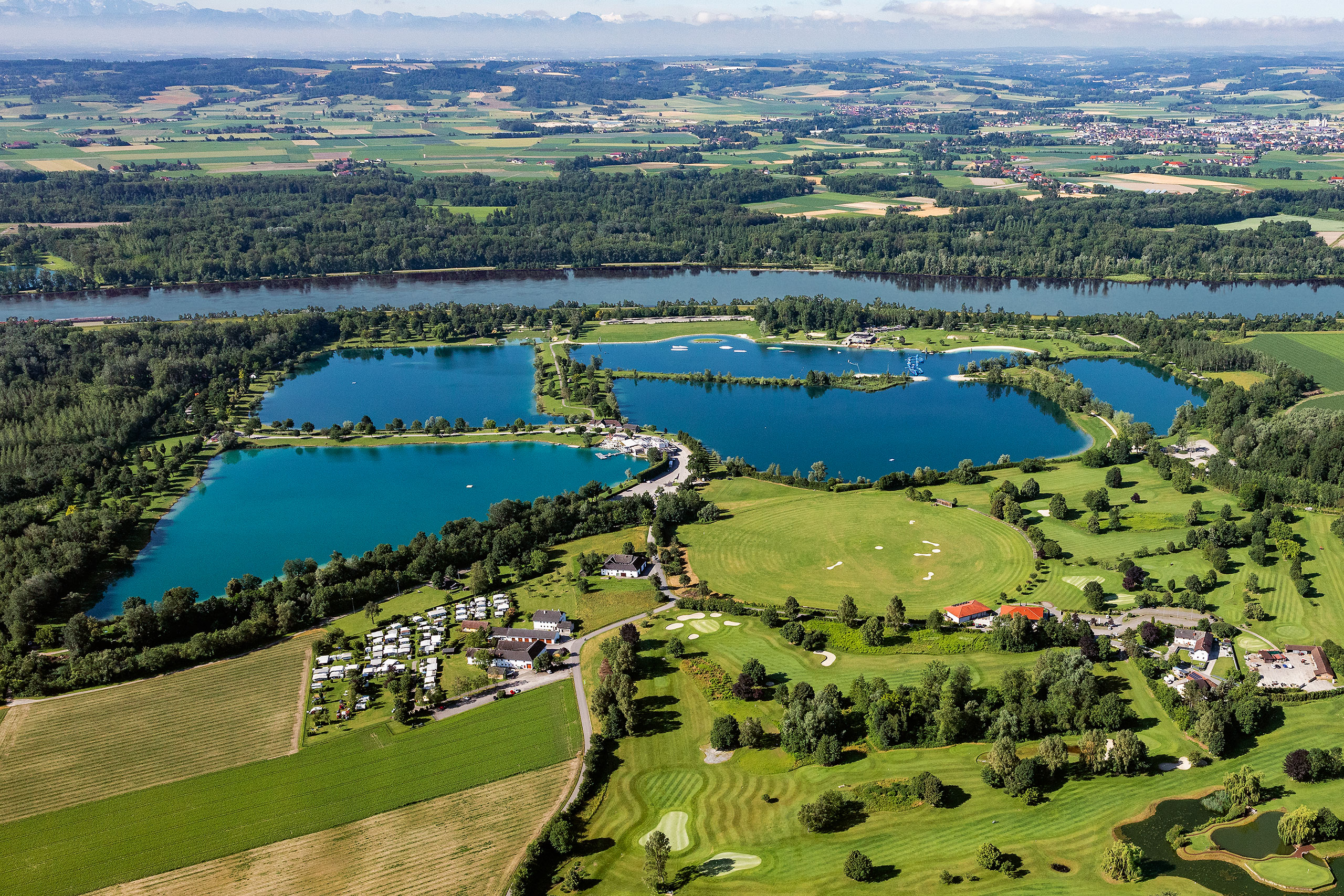
Camping is woven into the Austrian outdoors culture in a way it isn't everywhere. Sites like Camping Puchner in Upper Austria provide a genuine base for exploring, attracting both families and serious outdoor enthusiasts. The infrastructure is reliable, facilities are good, and you're positioned to wake up near the action rather than commuting from a distant town.
Austria suits everyone from serious hikers tackling multi-day alpine routes to families seeking easy waterside strolls. Summer holidays are peak season, naturally, but autumn and spring attract quieter crowds and reveal different moods of the landscape. Come prepared for variable mountain weather even in summer, but expect reliable infrastructure, clear signage, and well-maintained paths. The combination of dramatic natural features, accessibility, and excellent outdoor culture makes Austria an outstanding choice for a nature-focused break.
Questions people ask
What's the best time of year to visit Austria's outdoor attractions?
Summer, from June to September, offers the most reliable weather and access to all mountain passes and high-altitude routes like the Grossglockner High Alpine Road. Spring (April to May) brings surging waterfalls fed by snowmelt and is ideal for seeing features like Myra Waterfalls at their most dramatic. Autumn (September to October) delivers fewer crowds, crisp light, and comfortable hiking temperatures. Winter closes many alpine roads and higher passes.
Is Austria suitable for casual walkers or only experienced hikers?
Austria caters to both. Gorges like Wolfsklamm and palace parks like Laxenburg Palace Park offer accessible walks with minimal technical demand, while the same regions contain serious alpine routes for experienced hikers. Green Lake is an easy day trip from nearby towns. Most established attractions have graded trails, so you can choose based on fitness and interest rather than being locked into a single difficulty level.
Can I visit multiple nature attractions in one trip?
Yes—Austria's compact size and good road infrastructure make combinations easy. You could combine a gorge walk with a lake visit, or tackle the Grossglockner High Alpine Road and explore surrounding valleys. Camping Puchner and similar sites provide a stable base for day trips across a region, rather than relocating daily.
What should I pack for Austria's outdoor attractions?
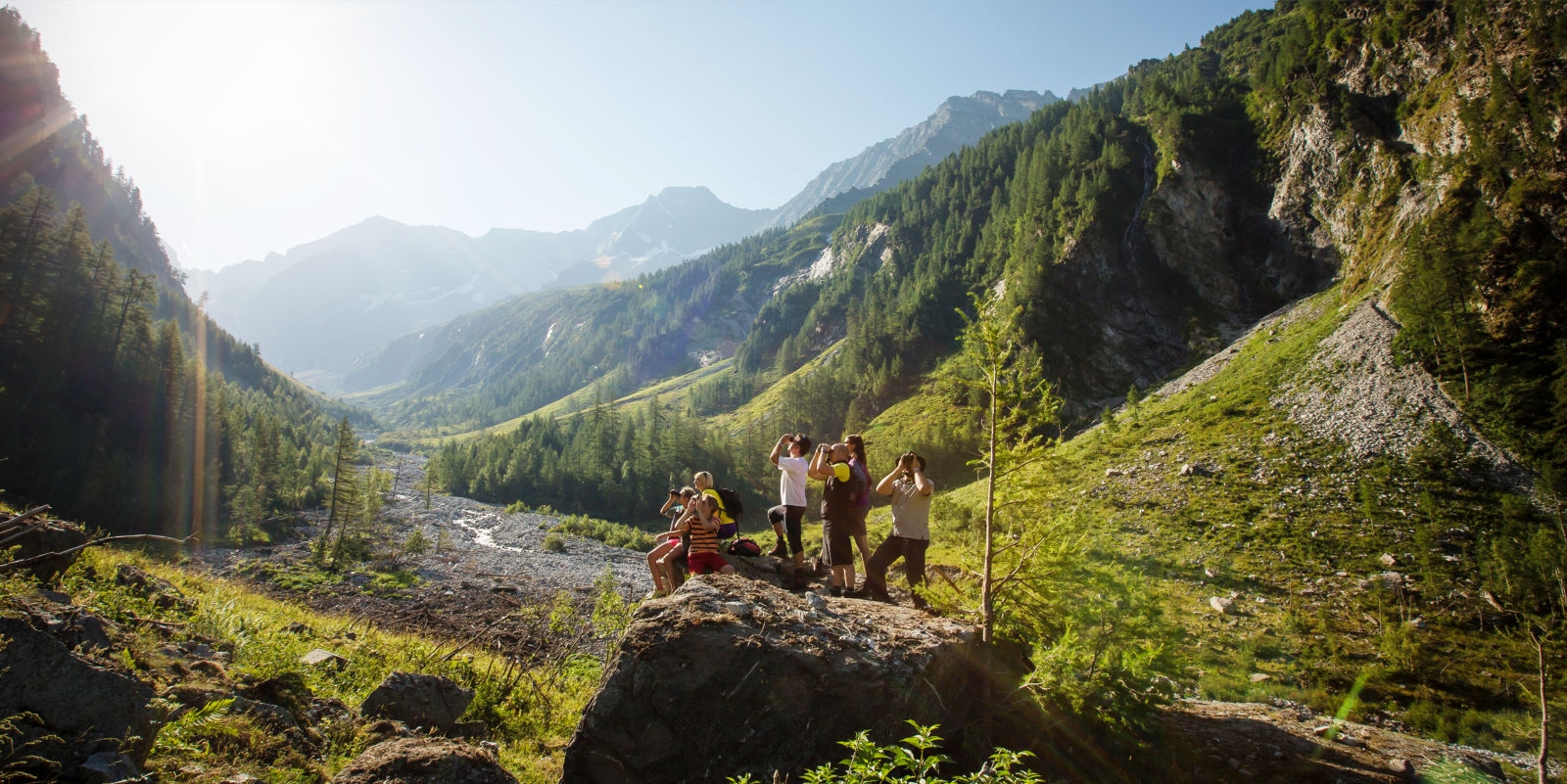
Bring layered clothing even in summer, as mountain weather changes quickly and higher elevations are significantly cooler. Waterproof jacket and sturdy walking shoes are essential for gorges and trails. Sunscreen and a hat are important at altitude where UV exposure is stronger. A camera is practically mandatory—the scenery demands it—and binoculars are worthwhile if you're interested in wildlife or bird watching in alpine regions.
Are these attractions family-friendly?
Largely yes. Palace parks, lake walks, and accessible sections of gorges suit families with children of various ages. Camping Puchner attracts families as well as adventurers. High mountain passes and serious alpine hiking require fitness and judgment. Many routes have easier alternatives, so families can usually find a version of an experience that suits their group.