

Free
☁️ 26°
Guide


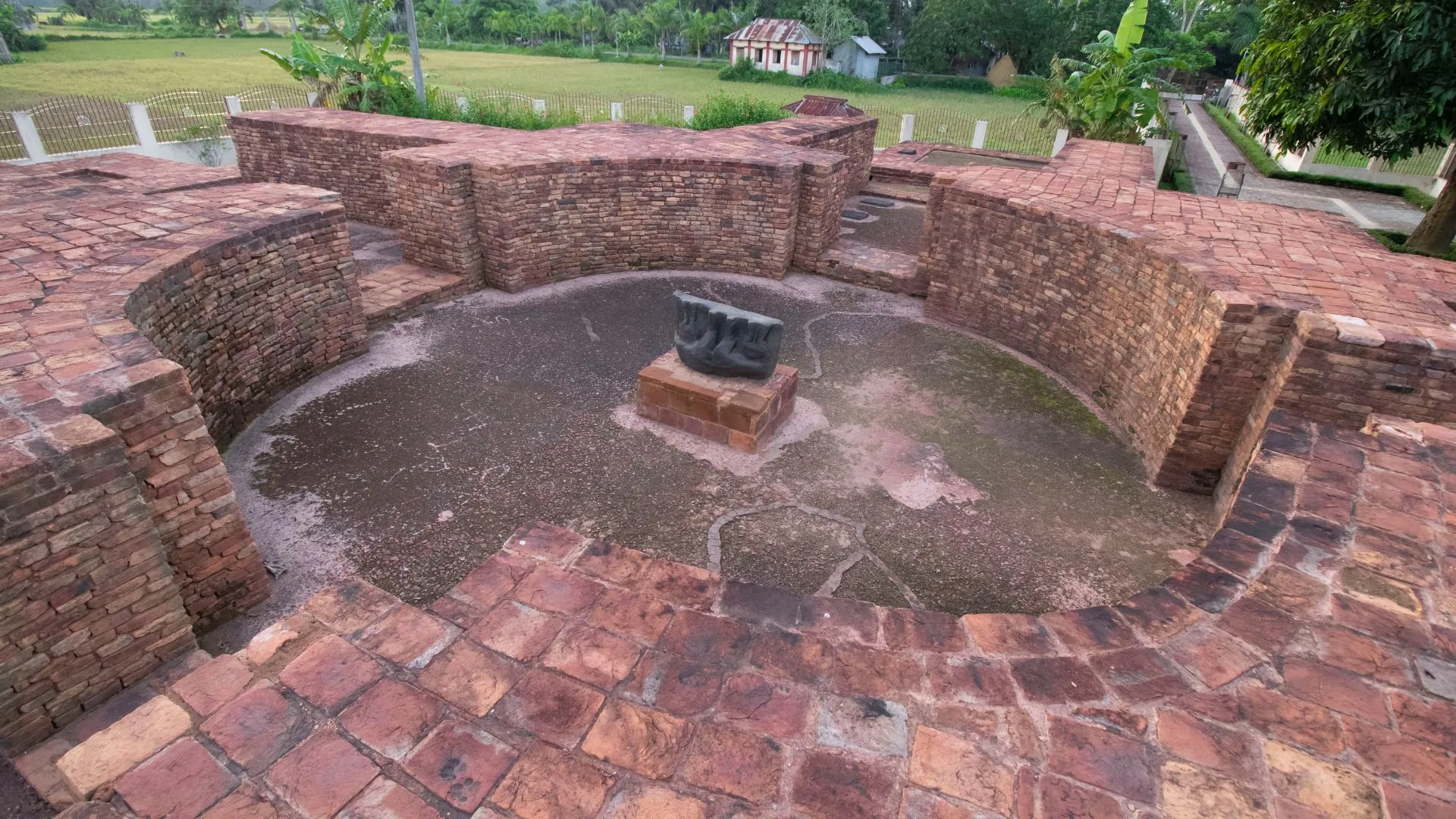

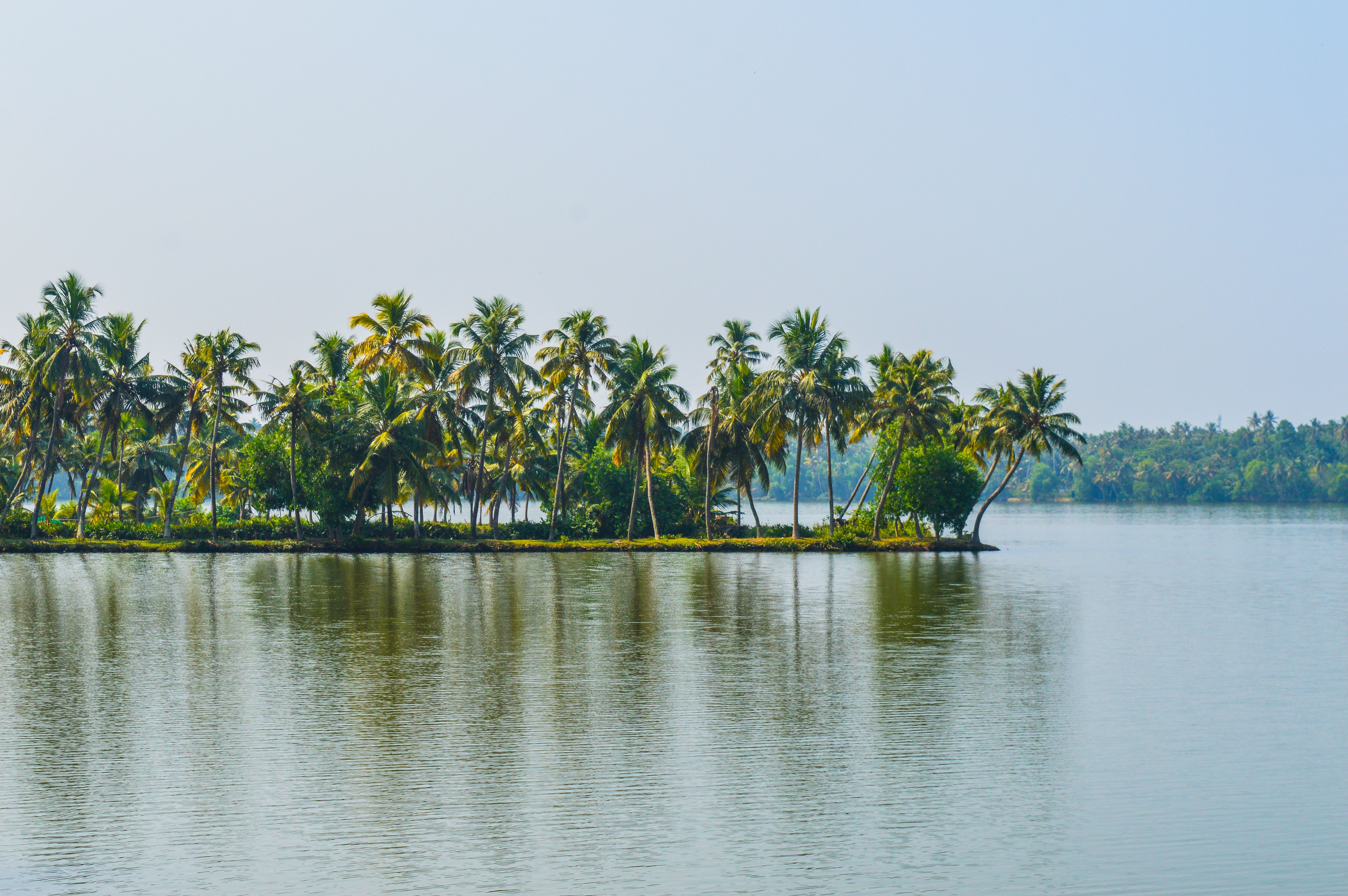
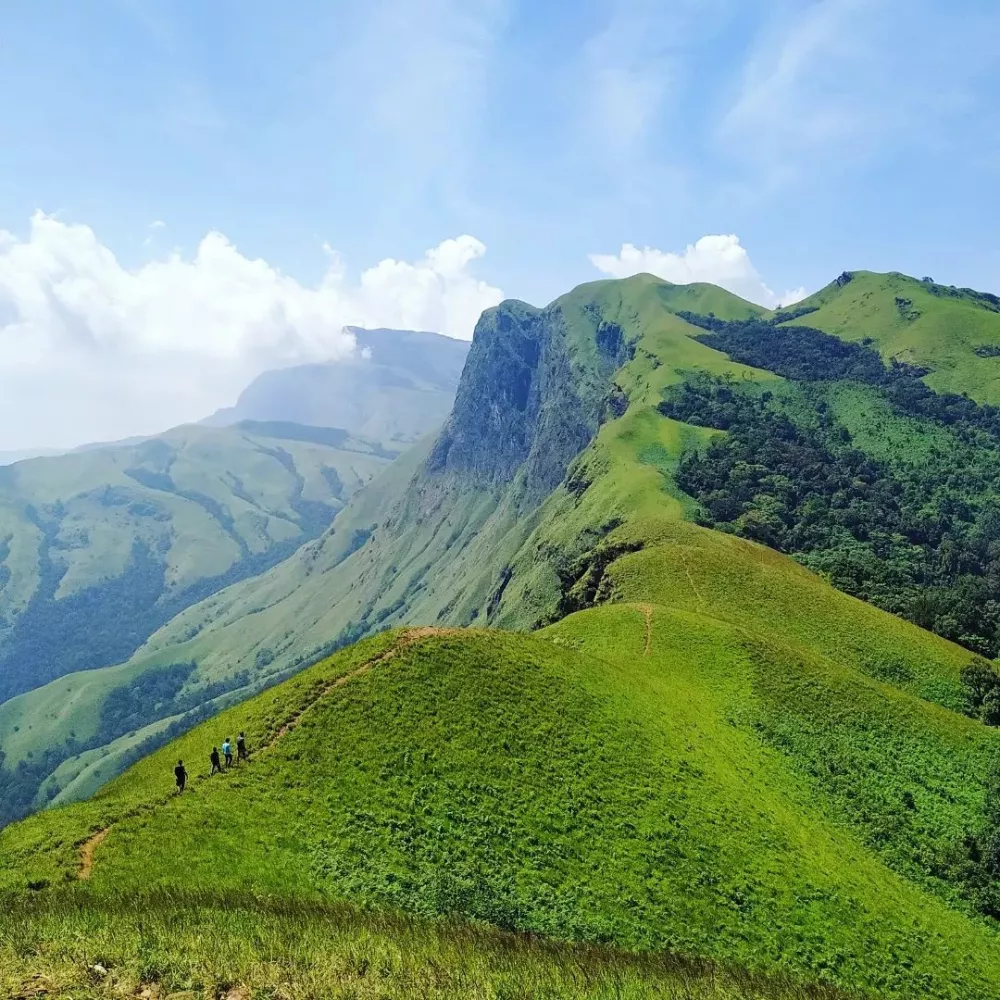

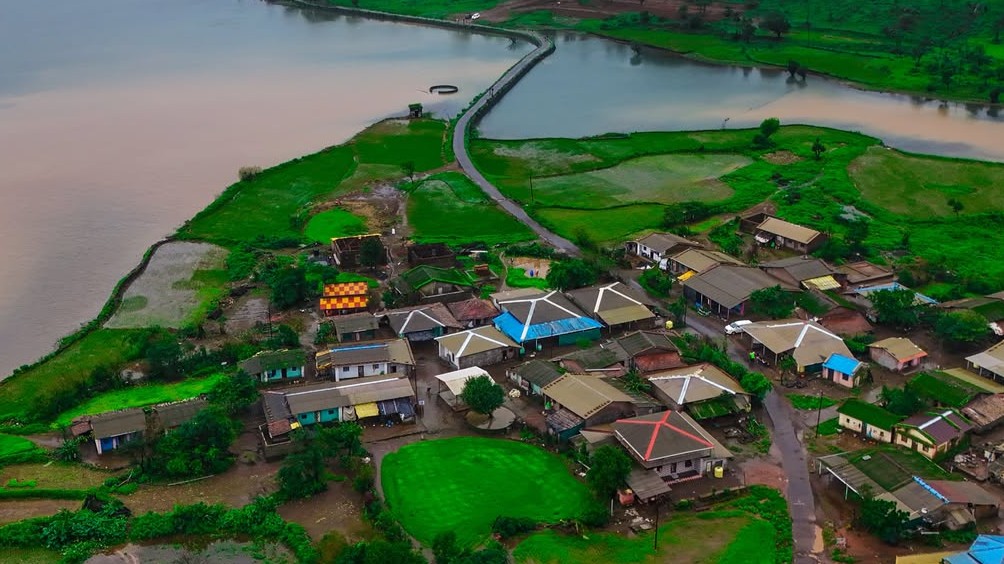


India offers an extraordinary range of experiences for a day out, from vibrant cultural institutions to serene natural landscapes that reveal the country's layered history and diverse geography. Whether you're drawn to museums steeped in colonial heritage, lush green plantations rolling across mountain slopes, or hidden peaks offering panoramic views, India's variety means there's something memorable within reach of most travellers. The country's size and cultural richness mean that a day trip might take you from a bustling city museum to a tranquil tea estate or a challenging mountain hike, each offering a different lens on Indian life and heritage.
Museums in India often tell stories that span centuries of cultural exchange and artistic achievement. The Indo-Portuguese Museum in Kochi showcases the unique blend of Portuguese and Indian influences that shaped Kerala's history, while the Raja Dinkar Kelkar Museum in Pune houses an extensive collection reflecting India's decorative arts and everyday cultural objects. These institutions provide air-conditioned respite and thoughtful curation that brings history to life, making them ideal for a focused, educational day out. Kochi itself is a natural hub for cultural exploration, with its blend of colonial architecture and waterfront charm.
For those seeking natural beauty and outdoor activity, Kerala's tea plantations around Munnar offer a completely different experience. The rolling green hills carpeted with tea bushes create an almost meditative landscape, and a day spent walking or driving through the plantations gives a real sense of how this crop shapes the region's economy and daily rhythms. The cooler mountain air and mist-covered valleys provide refreshing contrast to India's hot plains. Beyond Kerala, adventurous visitors might tackle Netravati Peak near Chikmagalur in Karnataka, where the reward is sweeping views across the Western Ghats, or explore the quieter natural attractions like Pilak in Tripura, which remains relatively undiscovered compared to India's more famous destinations.
India's diversity means you can experience distinct regional cultures and landscapes within a single country. Each destination carries its own character: the spice-tinged heritage of Kerala's backwaters and colonial forts, the misty mountain scenery of the Deccan plateau, the lesser-known tribal regions of the northeast. Days out here often involve travel time, so it's worth planning around seasons—Kerala is most pleasant during cooler months, while mountain peaks are best visited in dry weather. Most attractions are accessible by local transport, though hiring a car or guide often enhances the experience and saves time.
Whether you're a history enthusiast, nature lover, adventure seeker, or cultural explorer, India's range of day-out options rewards both careful planning and spontaneous detours. The hospitality you'll encounter, the unexpected details—a museum's hidden courtyard, a tea picker's story, a sudden view from a mountain—often become the memorable parts of any outing here.
The ideal season depends on your destination. Kerala's cooler months from October to March offer pleasant weather for museum visits and tea plantation walks, while avoiding the intense heat and monsoons. Mountain regions like Chikmagalur are best visited in dry months when peaks are clear and trekking is safer. Most of India is extremely hot from May to July, so plan indoor activities like museums during these months if you're in hot-weather regions.
Both museums are designed for focused visits and typically take two to three hours to explore properly, depending on your pace and interest level. The Indo-Portuguese Museum in Kochi offers insight into Kerala's unique colonial heritage, while the Raja Dinkar Kelkar Museum's extensive decorative arts collection rewards a more leisurely pace. Most visitors find this timeframe allows you to grasp the main collections and absorb the atmosphere without feeling rushed.
Yes, Munnar is accessible as a day excursion, though it benefits from starting early to maximize time on the plantations. The journey itself is scenic, taking you through mountain roads into tea-growing regions. A full day allows you to walk through the tea fields, visit a processing unit if available, and enjoy the cooler mountain air, though staying overnight lets you experience the misty mornings and slower rhythm the region is known for.
Destinations in India's northeast like Pilak remain relatively undiscovered, so expect fewer crowds and fewer tourist facilities compared to Kerala or major cities. This means a more authentic, quieter experience but also requires more flexibility and sometimes basic accommodation or transport options. These areas reward adventurous travellers willing to engage locally and embrace a slower pace of exploration away from established tourist trails.
India's attractions span a wide range of accessibility. Museum visits require minimal physical exertion and are suitable for all ages and abilities. Tea plantation walks are generally gentle and can be tailored to your pace, though the terrain is uneven in places. Mountain peaks like Netravati require more fitness and experience, so assess the specific site before planning. Most major attractions offer guides or alternatives if you need assistance or prefer a less strenuous option.
We use necessary cookies to run the site, and — only with your consent — optional cookies for analytics and, in future, advertising. See our Cookie Policy and Privacy Policy.